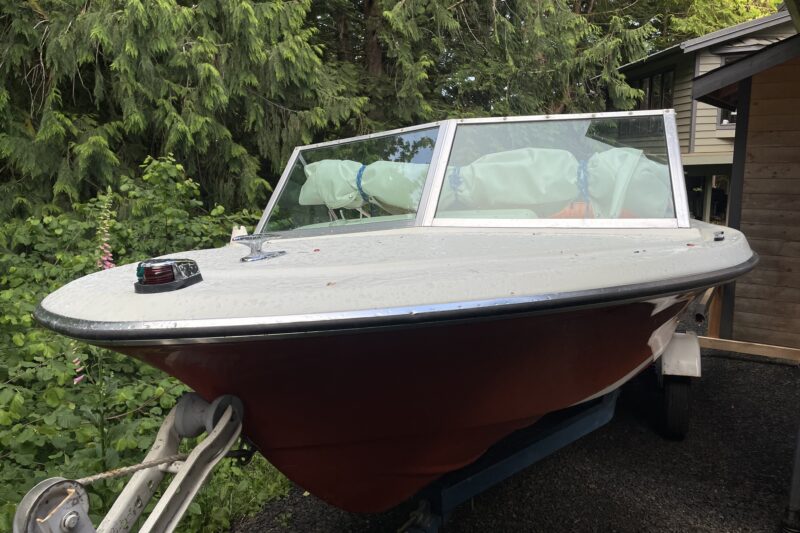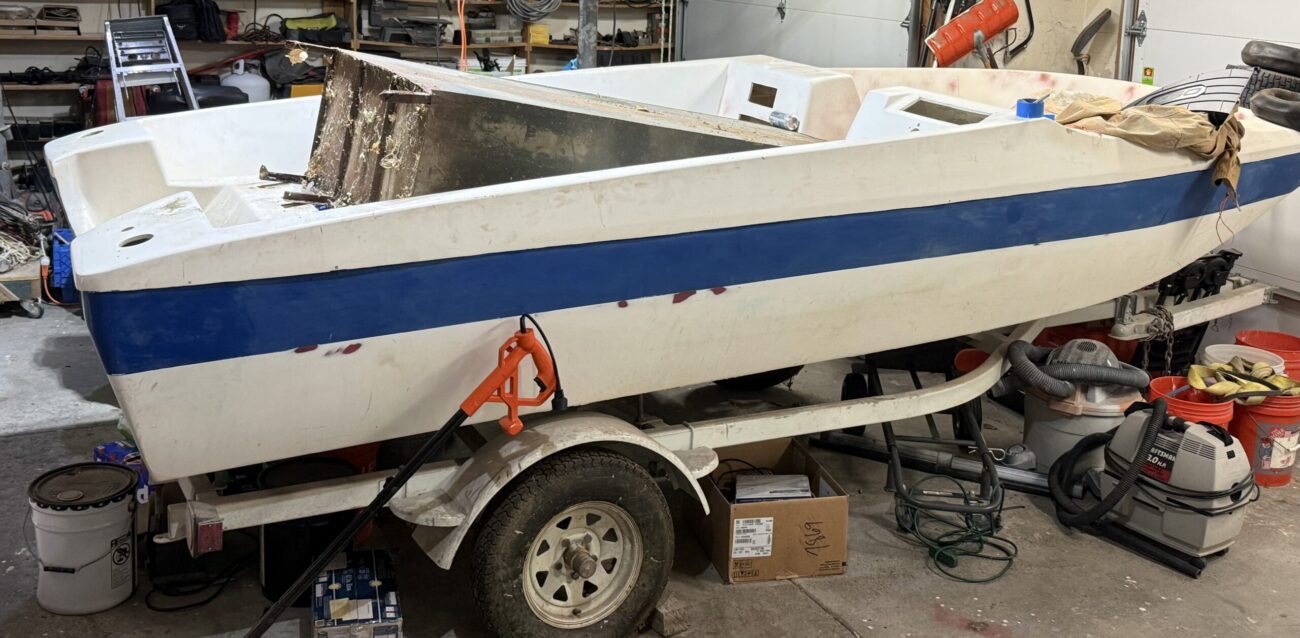
Bismarck, North Dakota, offers boating and fishing opportunities along the Missouri River and at nearby reservoirs and recreational lakes. From aluminum fishing boats and small utility vessels to family runabouts, pontoons, and older powerboats, recreational boats are part of life for many residents across central North Dakota. But when a boat stops running, develops serious damage, or sits unused for several seasons, owners may need a practical way to remove it.
Boat Scrapyards helps boat owners explore boat removal, boat scrapping, marine salvage, hauling, dismantling, and disposal options for unwanted vessels. Whether you have an old fishing boat sitting beside your garage, a deteriorating powerboat on a trailer, or a damaged vessel that is no longer suitable for the water, understanding your options can help you reclaim space and avoid unnecessary repair expenses.
North Dakota’s seasonal climate can make long-term boat storage challenging. Freezing winters, snow, strong winds, and changing temperatures can contribute to trailer deterioration, damaged covers, corrosion, and problems caused by water entering the vessel. A boat that has remained outdoors for years may need substantial work before it can be used again.
When restoring a boat no longer makes financial sense, hauling, scrapping, or specialized disposal may be more practical. The appropriate solution depends on the vessel’s size, construction materials, condition, location, and accessibility.
Boat Scrapyards provides a starting point for owners seeking to understand available options and arrange an appropriate solution for an unwanted boat in Bismarck and the surrounding area.
Boat Removal in Bismarck, ND: When to Get Rid of an Old Boat
An unwanted boat can become a financial burden long before an owner decides to remove it. A failed engine may initially seem like a straightforward repair, but the expense can grow when the boat also needs electrical work, fuel-system repairs, new batteries, or structural attention.
Trailers create another set of challenges. Tires can deteriorate while sitting unused, bearings may seize, brakes can fail, and trailer frames may develop rust or damage. Even if the boat itself remains intact, an unsafe trailer can prevent conventional transportation.
Outdoor storage can contribute to additional deterioration. Damaged covers allow moisture inside, while water trapped in compartments can create problems during freezing weather. Upholstery, wiring, wooden components, and metal fittings can also suffer from prolonged exposure to the elements.
For owners in Bismarck, these problems can mean paying for storage, sacrificing driveway or yard space, and repeatedly postponing repairs. If the boat is no longer used, those ongoing costs may not be worthwhile.
Boat removal provides a way to address the situation without committing to another expensive restoration. Depending on the vessel, the available options may include hauling, dismantling, recovery of usable components, metal scrap processing, or disposal through a facility equipped to accept the boat’s materials.
The first step is determining whether the vessel can be transported conventionally or requires specialized equipment. A small aluminum boat on a usable trailer presents different requirements from a large fiberglass cruiser with structural damage.
Bismarck Boat Scrapping and Marine Salvage Options
Boat scrapping and marine salvage can offer different approaches to unwanted vessels. Scrapping generally involves recovering suitable materials or components, while marine salvage can include retrieving a vessel, removing usable equipment, or arranging specialized handling.
Some boats contain aluminum, steel, engines, wiring, and metal fittings that may be recoverable. Others are built primarily from fiberglass, wood, foam, or mixed materials that require different processing arrangements.
The amount of recoverable material does not automatically determine whether a boat has positive scrap value. Labor, loading, transportation, structural damage, and disposal expenses can affect the overall economics of removal. A boat may contain valuable components but still cost more to remove than those components are worth.
Boat Scrapyards helps owners explore potential removal and scrapping arrangements based on their vessel’s condition and location. Before assuming that pickup will be free or that a boat will qualify for payment, confirm the terms after the relevant details have been reviewed.
Some boats may be suitable for resale or parts recovery, while others require dismantling and disposal. Fiberglass hulls, damaged flotation materials, and mixed construction can limit which facilities are able to accept a vessel.
Understanding these differences helps owners choose a realistic option instead of spending additional money on a boat that is no longer practical to maintain.
Junk Boat Removal and Hauling Across Bismarck and Burleigh County
Unwanted boats can be found in residential driveways, rural yards, storage facilities, and recreational properties throughout the Bismarck area. The location of the vessel can significantly affect the hauling method and equipment required.
Potential service areas to discuss when checking availability include:
- Bismarck and surrounding neighborhoods
- Mandan and nearby residential areas
- Lincoln
- Washburn and surrounding properties
- Wilton
- Menoken
- New Salem and nearby communities
- Other locations throughout the region, subject to service availability
A boat parked in an open driveway with a usable trailer may be relatively straightforward to move. A vessel behind a building, inside a narrow yard, or on a property with limited turning space may require additional preparation.
Owners should identify obstacles such as gates, steep driveways, low branches, soft ground, and limited access for hauling equipment. If the trailer has flat tires, seized wheels, damaged bearings, or a deteriorated frame, conventional towing may not be appropriate.
Boats stored at marinas or near recreational waterways may require additional coordination. A vessel still in the water can involve lifting equipment, haul-out arrangements, and permission from the responsible facility or property manager.
Providing photographs of the boat, trailer, and surrounding access area can help establish the requirements before a removal arrangement is confirmed.
Types of Boats Available for Removal and Scrapping in Bismarck
Boat type, construction materials, dimensions, and overall condition all affect the available removal options. Different vessels require different handling and transportation methods.
Aluminum Fishing Boats and Utility Vessels
Aluminum fishing boats are popular among anglers who use the Missouri River and nearby lakes and reservoirs. They are generally practical recreational vessels, but hull damage, corrosion, leaking seams, deteriorated transoms, and engine failure can eventually make repairs unattractive.
Aluminum components may be suitable for scrap recovery, depending on their condition and the receiving facility’s requirements. However, a boat’s overall value also depends on the cost of hauling it, the condition of its trailer, and whether major components are missing.
Owners should explain whether the engine is present, whether the hull is damaged, and whether the boat can be loaded safely.
Fiberglass Boats and Older Powerboats
Fiberglass runabouts, ski boats, and recreational powerboats can become expensive to maintain as they age. Failed engines, soft decks, damaged transoms, electrical faults, and water intrusion may make restoration financially impractical.
Fiberglass hulls require different handling from ordinary scrap metal. Engines, metal fittings, wiring, and selected equipment may be recoverable, but the hull itself may need specialized dismantling or disposal.
If the boat has significant structural damage, disclose it before hauling is arranged. A weakened hull may require additional support or specialized loading methods.
Pontoon Boats and Larger Recreational Vessels
Pontoon boats provide ample room for family outings and recreational activities, but their size can complicate removal once they become unusable. Damaged pontoons, deteriorated decking, worn furniture, electrical problems, and engine failure can leave an older boat sitting unused.
The boat’s dimensions and trailer condition affect whether it can be moved in one piece. Some vessels may need preparation or dismantling before transportation.
Owners should provide approximate length and width, describe visible damage, and explain whether the boat is on a trailer, stored on blocks, or positioned near the water.
Sailboats, Cabin Cruisers, and Personal Watercraft
Sailboats and cabin cruisers may contain fiberglass or composite hulls, metal rigging, engines, batteries, interior furnishings, and plumbing. Their size and configuration may require more planning than a small fishing boat.
Personal watercraft, dinghies, and compact runabouts may be easier to transport, but missing trailers, damaged hulls, and difficult access can still complicate removal.
When requesting an assessment, include the vessel’s approximate dimensions, general condition, and any trailer or equipment that is part of the job.
Missouri River Boat Disposal and Responsible Vessel Handling
The Missouri River is a major recreational feature of the Bismarck area. Owners retiring an unwanted boat should consider its condition and location before arranging removal, particularly if it is stored near the water.
A vessel on private property generally presents different requirements from a boat at a marina or still in the river. If a boat is taking on water, leaking fluids, or at risk of breaking free, contact the appropriate property manager or local authorities promptly rather than waiting for routine hauling.
Boats may contain gasoline, diesel, engine oil, batteries, lubricants, and cleaning products that require careful handling. Owners should disclose known leaks, damaged fuel systems, and potentially hazardous materials before transportation is arranged.
North Dakota and local requirements may apply to boat ownership, registration, abandoned vessels, waste handling, and disposal. Owners should verify the requirements relevant to their particular boat and location, especially when transferring ownership or removing a vessel from a managed property.
Not every facility accepts every type of boat. A metal scrap facility may not accept fiberglass hulls, treated wood, flotation foam, or vessels containing fluids. The destination must be appropriate for the materials and condition involved.
Responsible boat disposal means more than getting a boat off a property. It involves suitable transportation and determining how the vessel and its components can be handled at the receiving facility.
How to Arrange Boat Scrapping and Junk Boat Hauling in Bismarck
Preparing a few basic details can make it easier to evaluate an unwanted boat and determine what equipment and transportation may be needed.
Step 1: Provide Boat Details and Photos
Identify the boat type, approximate length, hull material, engine condition, and general state of repair. Explain whether the vessel has a trailer and whether it can be moved.
Photographs of the hull, interior, engine area, trailer, and surrounding property can help identify visible problems. Mention missing parts, structural damage, flat tires, or signs of water intrusion.
Step 2: Explain the Pickup Location
Describe the access route and any obstacles that could affect hauling. Narrow gates, steep driveways, low branches, soft ground, and limited turning space may affect the equipment required.
If the boat is stored near the river or at a managed facility, explain whether it is afloat or already on land. Access permissions and lifting arrangements may need to be confirmed before removal.
Step 3: Confirm Removal Costs and Terms
Boat hauling costs depend on the vessel’s size, condition, access, labor requirements, and destination. Recoverable materials may affect the arrangement, but they do not guarantee free pickup or payment.
Confirm the scope of service, fees, payment terms, and intended destination before authorizing the job.
Step 4: Prepare Ownership Documents
Have proof of ownership and relevant title or registration documents available. If paperwork is missing or ownership is unclear, determine what documentation is required before proceeding.
Remove personal belongings and identify equipment that should remain with you. Ask about appropriate handling for fuel, batteries, and other materials that may require special attention.
Step 5: Coordinate Hauling and Disposal
Once the arrangement is confirmed, the vessel can be moved using the agreed method. Depending on its condition, it may be transported to a suitable facility, dismantled, or directed toward an appropriate salvage or disposal operation.
The receiving facility determines which components can be recovered and how remaining materials are handled.
What Happens After Boat Pickup and Scrapping?
After a boat is hauled away, its next destination depends on its construction, condition, and the capabilities of the receiving facility.
Some boats contain recoverable engines, aluminum sections, metal fittings, wiring, and other equipment that may be suitable for resale or scrap processing. Usable components may be separated from damaged materials, while parts that cannot be recovered require appropriate handling.
Fiberglass hulls and mixed-material vessels present different challenges. Specialized dismantling may be necessary, and some materials have limited recovery options. Transportation, labor, and disposal costs can influence the final outcome.
Removal does not guarantee that every component will be reused or recycled. The practical objective is to ensure the vessel is transported under the agreed terms and directed toward an appropriate destination.
Keep receipts, transfer documents, or disposal records associated with the transaction. Complete any applicable ownership or registration updates so the vessel’s records accurately reflect the transfer or disposal.
Frequently Asked Questions About Bismarck Boat Removal
Can you remove a boat that does not run?
A non-running boat may qualify for removal. The appropriate method depends on its size, condition, location, and whether a suitable trailer is available. Specialized equipment may be required if conventional hauling is not possible.
Can an old boat be removed from a Bismarck driveway?
Potentially. Access, boat condition, trailer usability, and service availability determine whether removal can be arranged. Photographs of the vessel and surrounding property can help establish the requirements.
Is an aluminum fishing boat worth scrapping?
It depends on the amount and condition of recoverable metal, transportation expenses, and labor. Some boats have scrap value, while others cost more to remove and process than their materials are worth.
Can a fiberglass boat be removed for disposal?
Fiberglass boats may require specialized handling because their hulls are not processed like ordinary scrap metal. Available options depend on the vessel’s condition and the capabilities of the receiving facility.
Is boat pickup always free in Bismarck?
No. Removal costs depend on boat size, condition, location, access, and disposal requirements. Confirm the arrangement before scheduling service.
What if my boat is leaking fuel or oil?
Disclose the issue before arranging removal. Fuel, oil, batteries, and other potentially hazardous materials may require special handling. If a boat is leaking in the water or presents an immediate risk, contact the appropriate property manager or local authorities.
Find Boat Removal and Boat Scrapping Options in Bismarck, ND
An unwanted boat can take up valuable space and become more difficult to move as it deteriorates. Whether you have an old aluminum fishing boat, a damaged fiberglass runabout, an unused pontoon, or a larger recreational vessel, exploring removal options can help you determine the next step.
Boat Scrapyards helps owners explore boat removal, hauling, boat scrapping, marine salvage, dismantling, and disposal options for vessels in different conditions.
If your boat is located in Bismarck, Mandan, Lincoln, Washburn, Wilton, or another nearby community, start by gathering its basic details and a few photographs. Clear information about the vessel and its location helps establish transportation requirements and potential next steps.