Ocean Springs offers a distinctive boating environment along the Mississippi Gulf Coast, with access to the Mississippi Sound, coastal bays, local waterways, and nearby waterfront communities. Fishing boats, recreational powerboats, sailboats, and personal watercraft are part of the area’s coastal lifestyle. But when a vessel becomes damaged, deteriorates from years of exposure, or simply stops being useful, owners may face the difficult task of getting it removed.
Boat Scrapyards helps Ocean Springs property owners, boaters, marina customers, and commercial operators coordinate unwanted boat removal, hauling, marine salvage, dismantling, and scrap disposal. We assist with removal requests involving boats stored on residential property, sitting on trailers, occupying marina spaces, or requiring additional planning because they are located near the water.
Whether you have an old center console, damaged pontoon, neglected sailboat, or larger recreational vessel, the removal process starts with understanding the boat’s condition and pickup location. Boat Scrapyards helps identify the practical requirements involved in moving unwanted watercraft and arranging the next stage of disposal.
Ocean Springs Boat Removal for Unwanted Recreational and Fishing Boats
An unwanted boat can become an expensive and inconvenient piece of property. Registration, storage, maintenance, trailer repairs, and deterioration can continue even when the vessel is no longer being used. For owners who have decided against restoring or selling an old boat, removal may be the better option.
Boat Scrapyards works with removal requests for vessels in a variety of conditions. Some boats are complete but no longer operational. Others have missing engines, damaged hulls, deteriorated interiors, or trailers that cannot safely be moved. A boat may also have been sitting outside for years, leaving it exposed to weather and moisture.
Common reasons Ocean Springs owners seek boat removal include:
- Clearing an unused boat from a driveway or backyard
- Removing an old fishing boat that needs extensive repairs
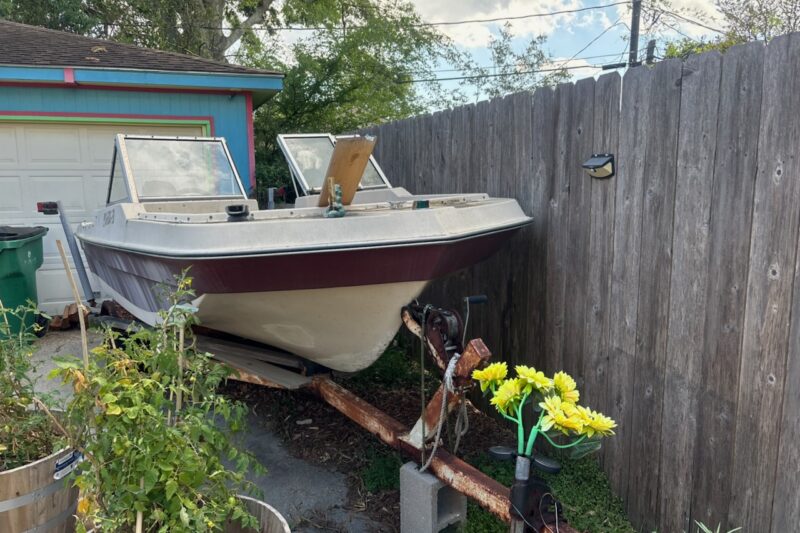
- Getting rid of a deteriorated vessel stored on a trailer
- Making room at a private dock or waterfront property
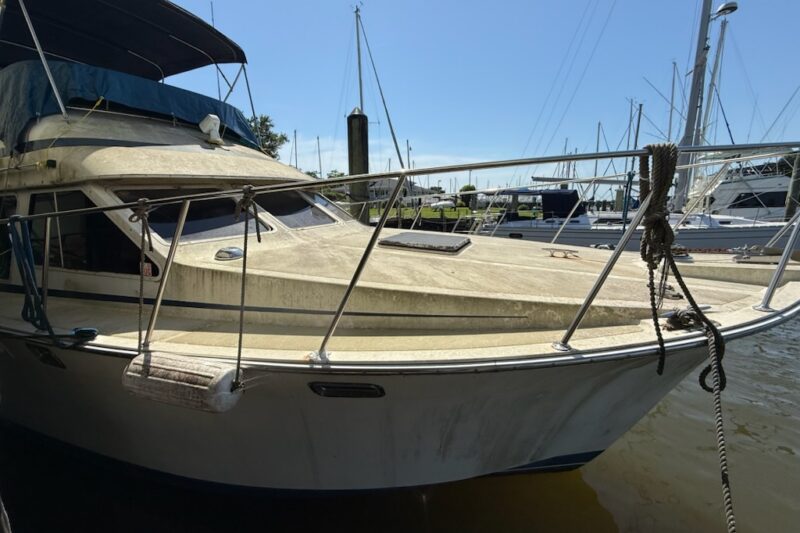
- Clearing an unwanted boat from a marina or boatyard
- Removing a vessel inherited through an estate
- Addressing storm damage or long-term water exposure
- Removing commercial watercraft that are no longer needed
A boat does not have to run to be considered for removal. Its size, weight, condition, and accessibility will determine the equipment and transportation arrangements that may be necessary.
Marine Salvage and Boat Haul-Out Services Near the Mississippi Sound
Boat removal near the water can require additional coordination. A vessel tied to a dock or occupying a marina slip cannot always be moved directly onto a road trailer. It may need to be relocated, lifted, or hauled out before land transportation can begin.
Marine salvage planning takes into account the vessel’s location, water access, condition, and available equipment. Depending on the project, arrangements may involve a travel lift, crane, suitable transport trailer, or towing assistance to move the boat to an accessible pickup point.
The Ocean Springs waterfront includes private docks, marinas, boat storage areas, and properties with different access conditions. Some boats are easy to reach from a paved parking area, while others are positioned in restricted spaces or along shorelines where equipment access is limited.
Boat Scrapyards helps owners review these circumstances before scheduling a removal. Providing the boat’s location and photographs can help establish whether the project is a conventional land pickup or requires additional marine salvage coordination.
Boat Types We Remove for Scrap and Disposal
Ocean Springs boat owners have different vessel needs, and removal requirements can vary significantly by boat type. Construction materials, overall dimensions, installed equipment, and structural condition all influence the transportation plan.
Boat Scrapyards can review requests involving many types of watercraft, including:
- Center console fishing boats
- Bay boats and flats boats
- Offshore fishing vessels
- Aluminum fishing boats
- Bass boats and jon boats
- Fiberglass recreational boats
- Pontoon boats and tritoons
- Deck boats and bowriders
- Ski boats and wakeboard boats
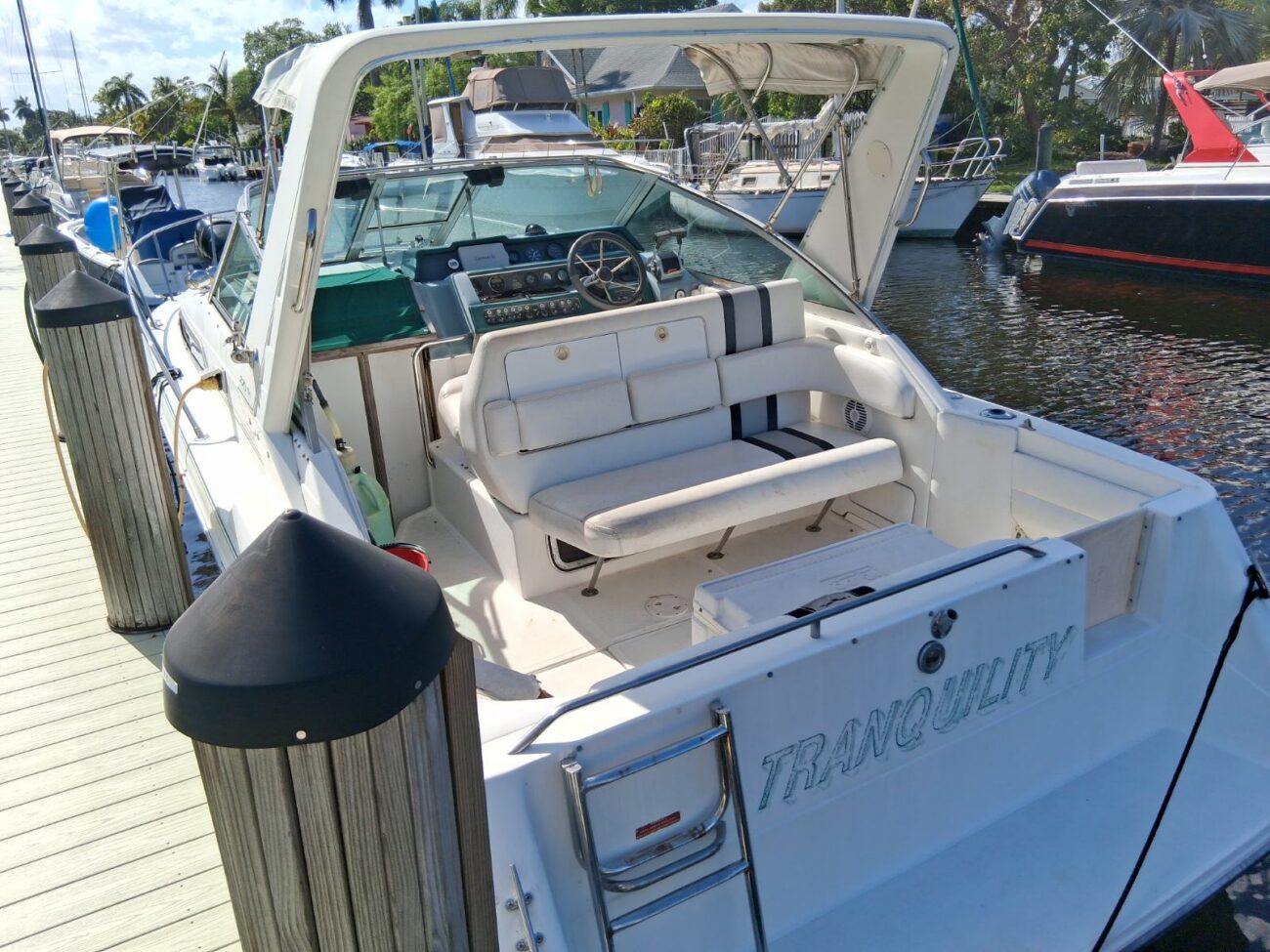
- Cabin cruisers and cuddy cabins
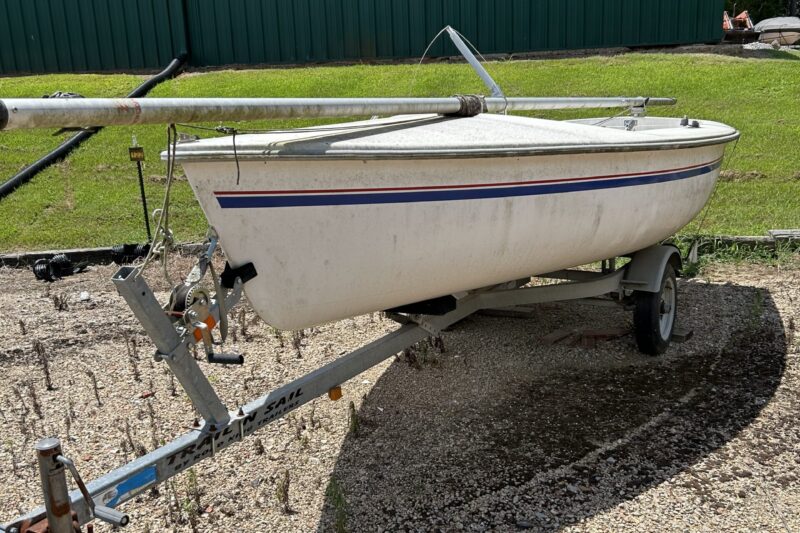
- Sailboats and sailing yachts
- Personal watercraft and jet skis
- Wooden boats and older runabouts
- Commercial fishing boats
- Utility boats and workboats
- Houseboats and larger recreational vessels
Some boats are complete but mechanically unusable. Others may be missing major components or have been partially dismantled. These details should be shared when requesting removal so the project can be evaluated accurately.
Photographs of the exterior, hull, interior, engine compartment, and trailer are especially useful. For larger vessels, approximate length, beam, and height can help determine what type of hauling equipment may be required.
Getting an Old Boat Hauled Away From Your Property
A boat stored on land may appear easy to remove, but access and trailer condition can create unexpected complications. Flat tires, seized bearings, damaged axles, missing lights, and deteriorated frames can make an ordinary trailer unsuitable for road transportation.
The surrounding property matters, too. Narrow driveways, fences, low tree branches, overhead wires, soft ground, and limited turning space can affect how a boat is loaded and moved.
Before arranging boat hauling in Ocean Springs, it helps to document:
- The approximate length and width of the vessel
- Whether it is resting on a trailer, blocks, or stands
- Whether the trailer is functional and roadworthy
- The boat’s approximate weight, if known
- Whether an engine or other heavy equipment remains installed
- Available clearance around the vessel
- The distance between the boat and the nearest accessible roadway
- Any gates, trees, buildings, or overhead obstructions
- Whether property or marina permission is required
This information helps identify the equipment and access requirements before pickup. Owners should also remove personal items, fishing equipment, electronics, documents, and accessories they intend to keep.
Removing Boats Affected by Saltwater, Storms, and Long-Term Exposure
Coastal conditions can take a toll on watercraft. Saltwater exposure can contribute to corrosion, while humidity, rain, and prolonged sun exposure can affect hulls, decks, upholstery, electrical systems, and mechanical components. Boats that are not regularly maintained may develop problems that make restoration impractical.
Storms can create additional removal challenges. A boat may be pushed against a dock, damaged by debris, shifted on its trailer, or left with water inside the hull. Even when the exterior appears intact, the structure and weight distribution may have changed.
Boat Scrapyards can review removal requests involving neglected, storm-damaged, or deteriorated vessels. Depending on the circumstances, a project may require an assessment of the boat’s stability, lifting arrangements, or specialized hauling before transportation can take place.
A partially submerged or unstable boat should not be moved with ordinary towing equipment without first considering its condition. Fuel, batteries, fluids, and other potentially hazardous components may also require attention during preparation.
Boat Removal Coverage Around Ocean Springs and Jackson County
Boat Scrapyards helps coordinate removal requests throughout Ocean Springs and surrounding parts of the Mississippi Gulf Coast. The exact service options depend on the boat’s location, size, condition, and accessibility.
Communities that may be included in a removal inquiry are:
- Ocean Springs
- Biloxi
- Gautier
- Pascagoula
- D’Iberville
- Gulfport
- St. Martin
- Vancleave
- Escatawpa
- Moss Point
- Hurley
- Latimer
- Wade
- Gulf Hills
- Fort Bayou
- Belle Fontaine
- East Biloxi
- West Biloxi
- Long Beach
- Pass Christian
Requests from additional areas may also be reviewed. Whether a vessel is stored inland, at a private dock, or inside a marina, providing the actual pickup location is the best way to determine the requirements for removal.
How to Prepare an Unwanted Boat for Pickup
Preparing a boat for removal can make coordination easier and help prevent delays. Not every vessel needs to be dismantled or emptied before pickup, but owners should identify personal property and communicate any known hazards.
A few useful preparation steps include:
- Remove personal belongings. Take out fishing gear, life jackets, coolers, electronics, documents, and any equipment you want to retain.
- Photograph the vessel. Capture the hull, deck, interior, engine area, trailer, and surrounding pickup location.
- Identify mechanical problems. Mention seized wheels, missing tires, damaged axles, engine issues, or other conditions that could affect movement.
- Check property access. Identify gates, narrow driveways, low branches, overhead wires, and other potential obstructions.
- Confirm authorization. Make sure you have the right to arrange removal, especially when the boat is stored at a marina or on managed property.
- Disclose known hazards. Report fuel, batteries, leaks, structural instability, or other conditions that may affect handling.
Do not attempt to move a large, unstable, or partially submerged boat simply to make it easier to access. The removal plan should account for the vessel’s actual condition.
What Happens After Your Boat Is Picked Up and Hauled Away?
Once a boat has been removed, its construction and condition help determine the appropriate next steps. Some vessels may have components suitable for parts recovery or scrap handling. Others require substantial dismantling because of damage, deterioration, or mixed construction materials.
Aluminum hulls, steel components, engines, hardware, and certain mechanical parts may have different handling possibilities from fiberglass, wood, upholstery, and composite materials. Batteries, fuel systems, fluids, and other components also require appropriate attention.
Boat Scrapyards helps coordinate the removal side of the process and the next stage of handling for unwanted watercraft. The actual disposal arrangement depends on the vessel’s materials, condition, applicable requirements, and available processing options.
Not every boat has recoverable value, and not every removal project qualifies for payment. The boat’s size, transportation distance, labor requirements, and disposal costs all influence the options available.
Removal Services for Marinas, Boat Owners, and Commercial Properties
Unwanted watercraft can create problems for businesses as well as individual owners. A neglected boat can occupy a valuable marina slip, take up space in a boatyard, or remain on commercial property long after it is no longer being used.
Boat Scrapyards can review removal inquiries from:
- Marina operators clearing unwanted vessels
- Boat storage facilities managing unused inventory
- Waterfront property owners removing old boats
- Commercial operators replacing older workboats
- Estate representatives handling inherited watercraft
- Property managers addressing boats left behind
- Private dock owners making room for active vessels
For abandoned or unclaimed boats, proper authorization is important. Ownership records, marina agreements, liens, and local procedures may affect whether a vessel can be released for removal. Establishing these details in advance can help prevent disputes and scheduling problems.
Frequently Asked Questions About Ocean Springs Boat Removal
Can you remove an old boat that has not run in years?
Yes. Non-running boats can be reviewed for removal. Long-term storage may affect the hull, trailer, tires, and mechanical components, so provide current photographs and describe any known problems.
Do you remove boats from private docks?
Private dock removal requests can be evaluated. Water access, dock configuration, vessel size, and available lifting or towing equipment determine what arrangements may be necessary.
Can you haul away an aluminum fishing boat?
Aluminum fishing boats can be considered for hauling and scrap removal. The boat’s dimensions, condition, weight, and accessibility help determine the transportation requirements.
What if my boat is still sitting in a marina slip?
A marina-based project may require coordination with the facility and a suitable haul-out arrangement. Confirm that you have permission to remove the vessel and share any marina scheduling requirements.
Do you remove damaged pontoon boats?
Damaged pontoons can be reviewed. Bent frames, deteriorated decking, damaged flotation components, and missing equipment may affect how the boat needs to be lifted and transported.
Can a storm-damaged boat be removed?
Storm-damaged boats may be considered, including vessels with structural damage or water intrusion. Heavily damaged or unstable boats may need specialized assessment before moving.
Do I need to have a trailer for boat removal?
No. A trailer is not always required, although its availability and condition can affect the removal plan. Boats without trailers may need specialized transport equipment or lifting arrangements.
What details should I provide to get started?
Share the boat’s location, approximate dimensions, type, construction material, and current condition. Include photographs and explain whether it is stored on land, on a trailer, or in the water.
Arrange Boat Scrapping and Marine Salvage in Ocean Springs
If an unwanted boat is taking up room at your home, occupying a marina slip, or deteriorating near the waterfront, Boat Scrapyards can help you explore practical removal arrangements. We work with requests involving recreational boats, fishing vessels, damaged watercraft, and larger boats that require additional hauling or marine salvage coordination.
From trailer pickups to waterfront removal planning, the first step is a clear description of the vessel and its location. Share the boat’s approximate size, current condition, and photographs so the project can be reviewed.
Contact Boat Scrapyards to discuss boat removal, boat hauling, marine salvage, and scrap disposal in Ocean Springs and throughout the surrounding Mississippi Gulf Coast.