Bar Harbor sits at the heart of Maine’s coastal boating environment, where working harbors, fishing vessels, recreational craft, sailboats, and waterfront properties are part of everyday life. The area’s connection to Frenchman Bay and the surrounding islands creates a strong marine economy and a steady stream of boats moving through local waters.
But not every vessel stays useful forever.
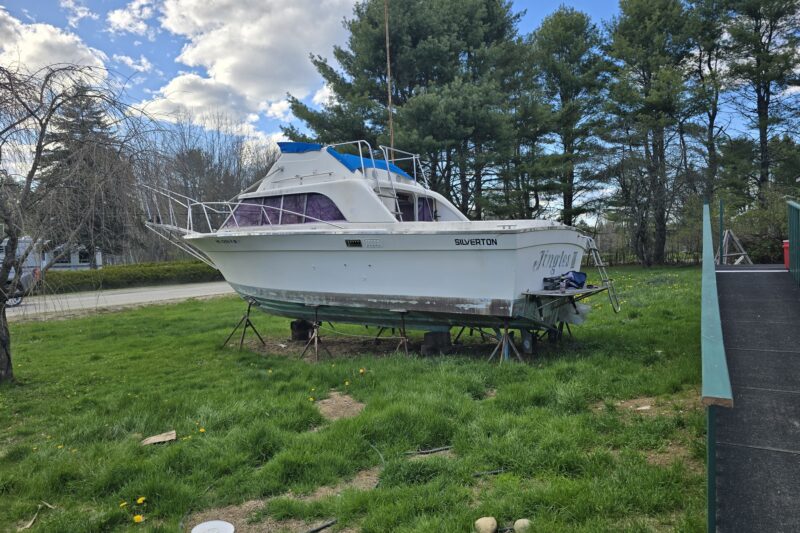
A boat may eventually become too expensive to repair, too deteriorated to launch, or simply unwanted by its owner. Some sit on trailers behind homes. Others remain at storage properties or waterfront locations long after they stop being used.
Getting rid of one can be much harder than getting rid of ordinary household junk.
Boat Scrapyards helps Bar Harbor-area owners with boat removal, hauling, marine salvage, dismantling, scrapping, and disposal. Whether the vessel is an old lobster boat, sailboat, fishing boat, cruiser, skiff, or another unwanted craft, the goal is to provide a practical way to clear the vessel and reclaim the space it occupies.
Bar Harbor Boat Removal FAQs
Can you remove a boat that no longer runs?
Non-running boats can be considered for removal. Engine failure is one of the common reasons an owner decides a vessel has reached the end of its practical life.
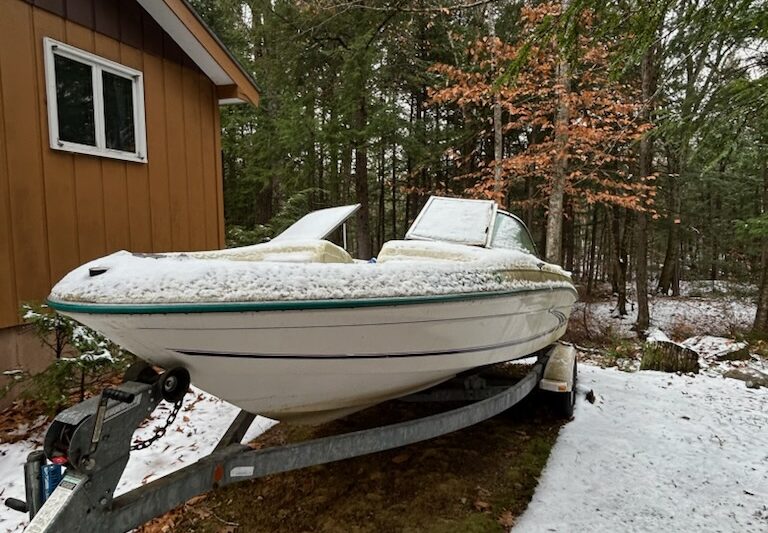
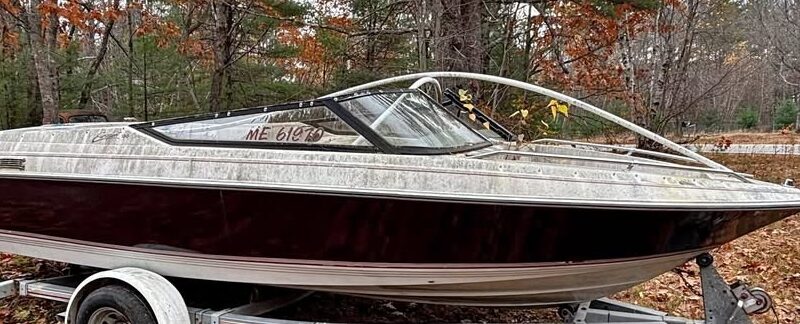
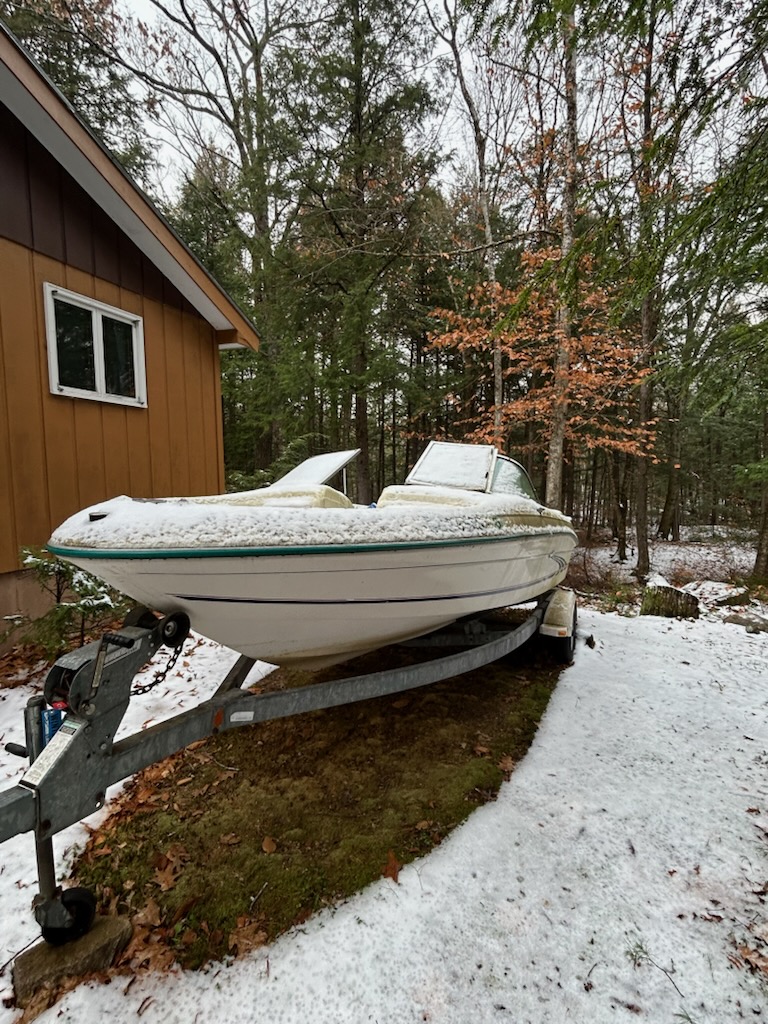
What about boats stored on trailers?
The trailer can be evaluated with the vessel. Tires, bearings, brakes, axles, wiring, and frame condition can all affect whether the boat can be conventionally towed.
Do you remove older lobster and fishing boats?
Older working boats can become substantial removal projects. Their size, equipment, construction, and location all factor into how removal is handled.
Can fiberglass boats be disposed of?
Yes. Fiberglass vessels can be evaluated for removal and disposal, although their composite construction means they require different handling from primarily metal boats.
Can a boat be removed from private property?
A boat at a residence, storage area, commercial property, or other accessible location can be considered for removal.
What happens to the boat after removal?
The vessel can be evaluated for salvageable components and scrap materials. Equipment, metals, trailer parts, and other components may be handled separately depending on condition.
When a Coastal Boat Becomes a Disposal Problem
Maine boats often have long lives.
A vessel may spend years fishing, cruising, sailing, or working along the coast.
Eventually, maintenance starts becoming more difficult.
The engine may need major work.
The deck may deteriorate.
The electrical system may become unreliable.
The trailer may no longer be roadworthy.
The owner may also simply stop using the boat.
At first, storing it seems harmless.
Then one season becomes several.
The boat continues taking up space while its condition gets worse.
Eventually, the owner has to decide whether the vessel is actually worth restoring.
If the answer is no, removal can eliminate the ongoing storage problem.
Bar Harbor’s Marine Environment
Bar Harbor’s connection to Frenchman Bay and the broader Downeast Maine coast creates a distinctly marine setting.
Fishing, sailing, recreational boating, tourism, waterfront businesses, and working vessels all contribute to the local boating landscape.
That also means boats can be stored in a variety of locations.
A small skiff might sit at a private residence.
A lobster boat may remain on land during the off-season.
A sailboat could spend years in storage after its owner stops sailing.
A cruiser may become an unfinished project.
When these vessels reach the end of their useful lives, transportation and disposal can become complicated.
The local environment makes access and vessel condition particularly important when planning removal.
Lobster Boats and Working Vessels
Maine is strongly associated with commercial fishing, and lobster boats are an important part of that marine environment.
Working boats are designed for demanding conditions.
They can accumulate years of use and wear involving engines, decks, electronics, fuel systems, fishing equipment, hull components, and other marine systems.
Eventually, the owner may decide that rebuilding an older working vessel is no longer practical.
The boat may still contain valuable equipment and materials even though it is no longer suitable for continued service.
That makes marine salvage and dismantling useful alternatives to simply leaving the vessel on the property.
Is Your Boat Really Worth Repairing?
An older boat can become an endless repair project.
One repair leads to another.
The engine needs attention.
Then the electrical system.
Then the fuel system.
Then the deck.
Then the trailer.
The owner can spend thousands of dollars before realizing that the boat still needs substantial work.
This does not mean old boats should never be restored.
Some absolutely deserve restoration.
But owners should consider the entire project rather than evaluating each repair separately.
If the cost of returning the vessel to useful condition has become unrealistic, removal can be the better solution.
Boats We Remove and Scrap
Different vessel types create different removal requirements.
Lobster Boats
Older lobster boats may contain engines, tanks, electronics, fishing equipment, hardware, and substantial hull structures.
Fishing Boats
Fishing vessels experience extensive exposure and frequent use. Mechanical failure or deterioration can eventually make continued ownership impractical.
Sailboats
Masts, rigging, sails, engines, tanks, interiors, and other systems can make sailboat removal more involved than removing a small open boat.
Cruisers
Cruisers can contain cabins, appliances, plumbing, generators, engines, and electrical systems that require consideration during dismantling.
Skiffs and Small Boats
Smaller boats may appear easier to dispose of, but old trailers and difficult property access can still create transportation problems.
Fiberglass Boats
Fiberglass hulls require different disposal considerations from aluminum and steel vessels.
Aluminum Boats
Aluminum fishing and recreational boats may contain recoverable metal along with engines, hardware, wiring, and trailer components.
The Trailer May Be Older Than the Boat Problem
A boat sitting on a trailer can create the illusion that removal will be simple.
That assumption can be dangerous with older equipment.
A trailer that has not moved for years may have:
- Dry-rotted tires
- Seized bearings
- Corroded brakes
- Damaged wiring
- Rusted components
- Weak or damaged frame sections
- Deteriorated rollers
The owner may discover that the boat itself is not the only thing that needs attention.
If the vessel is already being considered for disposal, investing heavily in an old trailer simply to make it roadworthy may not make financial sense.
The boat and trailer can instead be considered together when planning removal.
Removing Boats From Residential Properties
A boat does not need to be at a marina to become a nuisance.
Homeowners may store unwanted vessels in driveways, yards, garages, side lots, or behind other structures.
A boat that was once used every weekend can eventually become a permanent fixture.
That can interfere with:
- Parking
- Landscaping
- Property improvements
- Storage
- Home sales
- Yard maintenance
Removing the boat can immediately change how the property can be used.
This is particularly helpful when the vessel has not been operated for years and the owner has no realistic plans to restore it.
Waterfront Boat Removal Around Bar Harbor
Waterfront removal can involve additional complications.
Docks, buildings, neighboring vessels, narrow access points, private roads, and other structures can affect how the boat is reached.
A vessel may also be too large to move through the available access route without additional planning.
Providing accurate information about the location and condition is therefore important.
Useful details include the boat type, approximate length, whether it runs, whether it is on a trailer, and how the vessel can be accessed.
Photos can also help establish the physical conditions surrounding the boat.
What Happens to an Old Boat During Marine Salvage?
An unwanted boat can be viewed as more than one large object.
Its components can be separated and evaluated.
Depending on the vessel, salvage and scrap materials may include:
- Aluminum
- Stainless steel
- Copper wiring
- Engines
- Transmissions
- Propellers
- Marine electronics
- Batteries
- Hardware
- Trailer components
- Metal fittings
Not every boat contains the same materials, and condition matters.
An engine may be unusable.
A trailer may be heavily deteriorated.
A vessel’s metal components may still have scrap value.
The point of dismantling is to separate the vessel into manageable components instead of assuming the entire boat has to be treated identically.
Fiberglass Boat Disposal in Coastal Maine
Fiberglass vessels can present a particular challenge.
The hull may look like one solid object, but the boat can contain many different materials.
Inside may be wood, foam, wiring, plumbing, upholstery, fuel equipment, batteries, engines, and marine hardware.
Trying to dismantle a large fiberglass boat without the appropriate equipment can turn into a major property project.
The hull itself also needs to be transported and handled.
Professional boat removal can eliminate the need for the owner to figure out every step independently.
A Simple Way to Approach Boat Removal
Every vessel is different, but the basic process begins with information.
Start With the Boat
Identify the type, approximate size, general condition, and whether the vessel operates.
Explain Its Location
A residential yard, storage facility, waterfront property, and marina can each create different access considerations.
Include the Trailer
If the vessel is trailer-mounted, explain whether the trailer has moved recently and its general condition.
Review Access
The route to the boat can be just as important as the vessel itself.
Arrange Removal
Once the project is understood, the vessel can be scheduled for hauling and removal.
This approach keeps the process focused on solving the actual problem rather than asking the owner to become an expert in marine transportation.
Bar Harbor and Nearby Coastal Communities
The need for boat removal can extend beyond Bar Harbor itself.
The surrounding Downeast region includes numerous coastal communities, islands, harbors, waterfront properties, and marine businesses.
Boat owners may have vessels stored around Mount Desert Island and nearby coastal areas.
That broader marine environment means unwanted vessels can appear in many different settings.
Boat Scrapyards can evaluate removal projects based on the specific vessel and its location rather than assuming every boat can be handled the same way.
When Weather and Age Take Their Toll
Coastal vessels experience demanding conditions.
Salt air, moisture, rain, wind, freezing temperatures, sunlight, and changing weather can all contribute to deterioration.
Boats that are properly maintained can withstand years of exposure.
Neglected boats can deteriorate substantially faster.
A vessel that has already been sitting unused may suffer additional damage from severe weather.
Hull problems, deck deterioration, engine failure, electrical issues, and trailer damage can combine to make restoration increasingly expensive.
For some owners, that is the point where removal makes more sense than another repair.
Why Boat Scrapyards?
A boat is not ordinary household junk.
It may be oversized, heavy, non-running, trailer-mounted, difficult to access, and constructed from multiple materials.
Boat Scrapyards focuses on boat removal and marine disposal projects involving unwanted vessels.
The process can involve hauling, salvage, dismantling, scrapping, and disposal depending on the boat.
For Bar Harbor owners dealing with an old lobster boat, fishing vessel, sailboat, cruiser, skiff, pontoon, fiberglass boat, or deteriorated trailer setup, the specialized focus can make the removal process easier to navigate.
The goal is straightforward: get the unwanted vessel out of the way and reclaim the space.
Clear Out the Boat and Move Forward
An unwanted boat can sit for a surprisingly long time.
The owner keeps thinking about repairing it.
The trailer continues to age.
The vessel remains exposed to coastal weather.
The property stays occupied.
Eventually, keeping the boat becomes harder to justify than removing it.
Boat Scrapyards helps Bar Harbor-area owners with boat removal, hauling, marine salvage, dismantling, scrapping, and disposal.
Whether the vessel is an old lobster boat, neglected sailboat, damaged fishing boat, fiberglass project, aging cruiser, or trailer-bound craft, the first step is understanding the boat and its location.
If you have reached the point where keeping the vessel no longer makes sense, clearing it out can give you back the space and eliminate the unfinished project.