From Harbor to Scrapyard: Helping New York City Boat Owners Move On From Unwanted Vessels
For many people, owning a boat is about freedom. It’s early mornings on the Hudson River, weekends around Jamaica Bay, afternoons leaving City Island, or simply enjoying time on the water with family and friends. But every boat has a lifespan. Whether it’s been sitting untouched for years, damaged by weather, or simply no longer worth repairing, there comes a point when letting it go is the smartest decision.
Unlike an old car, a worn-out boat isn’t something you can leave at the curb or sell for scrap in a matter of hours. Boats are made from a combination of fiberglass, aluminum, steel, wiring, fuel systems, electronics, and other materials that require specialized handling. Removing one safely takes planning, experience, and the right equipment.
That’s where Boat Scrapyards comes in.
Boat Scrapyards provides professional boat scrapping, marine scrapping, salvage, and boat removal services throughout New York City and the surrounding waterfront communities. Whether your vessel is tied up at a marina, sitting on a trailer behind your home, occupying valuable commercial property, or simply becoming more expensive to own every year, our team helps make the process straightforward from beginning to end.
Every project is different, and every boat has its own story. Some owners are ready to upgrade to a newer vessel, while others have inherited a boat they don’t intend to keep. Some have invested years trying to restore an aging hull before realizing the costs outweigh the reward. No matter the reason, Boat Scrapyards works with owners throughout New York City to help remove unwanted boats safely and efficiently.
Questions Boat Owners Ask Before Scrapping a Boat
Is my boat too old to be worth removing?
Not at all. Age is one of the most common reasons owners contact Boat Scrapyards. Many of the vessels we handle have been sitting unused for years and are no longer practical to repair.
Do you remove boats that no longer run?
Yes. Mechanical problems are common with older boats, and non-running vessels make up a large percentage of our removal projects.
Can you remove boats from marinas?
Yes. We regularly coordinate with marina operators and property owners when removing boats from slips, dry storage facilities, and waterfront properties.
What types of boats do you handle?
Fishing boats, sailboats, pontoons, cabin cruisers, ski boats, jet boats, aluminum boats, center consoles, inflatables, personal watercraft, and many other recreational vessels.
Why Boats Eventually Reach the End of the Road
Most boat owners don’t plan on scrapping their vessel when they first buy it. In fact, many boats provide decades of dependable service before significant issues begin to appear. Eventually, however, time catches up with every hull.
Saltwater exposure, changing temperatures, moisture, sunlight, and constant vibration slowly wear down even well-maintained boats. Seals dry out. Electrical systems become unreliable. Engines begin requiring expensive repairs. Upholstery deteriorates, fiberglass loses its strength, and structural components become more difficult to restore.
For some owners, the decision comes after receiving a repair estimate that costs more than the boat itself. For others, the expenses of storage, insurance, registration, and maintenance simply outweigh the enjoyment they receive from using the boat.
There are also boats that become unfinished projects. They start with excitement and good intentions, only to remain parked for years as other priorities take over. Before long, the vessel becomes another item taking up space rather than something creating memories on the water.
When repairs no longer make financial sense, boat scrapping often becomes the most practical solution.
Marine Scrapping Is More Than Simply Hauling Away a Boat
One of the biggest misconceptions people have is assuming that marine scrapping works the same way as taking an old vehicle to a scrapyard. In reality, boats require a much more specialized approach.
Marine vessels contain materials that must be evaluated individually. Fiberglass hulls, aluminum framing, stainless steel hardware, bronze propellers, copper wiring, fuel tanks, batteries, flotation foam, navigation electronics, hydraulic systems, and treated wood all require different handling methods.
Because of this, responsible marine scrapping involves much more than transportation. Every project begins with evaluating the vessel’s condition, accessibility, and construction so the safest removal strategy can be determined.
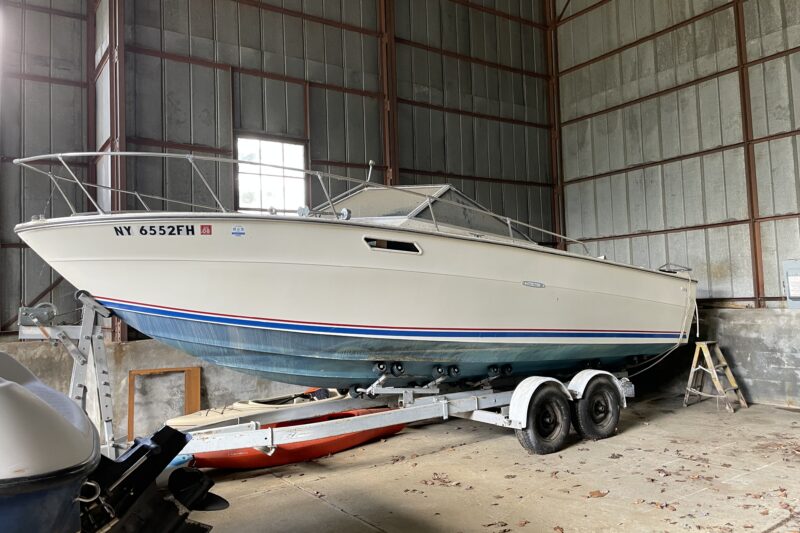
A fishing boat stored on a trailer presents different challenges than a cabin cruiser resting in a marina slip, while a damaged vessel sitting on private property requires an entirely different plan. Boat Scrapyards approaches each project individually, making sure the removal process matches the unique circumstances of the boat and its location.
Why New York City Creates Unique Challenges for Boat Removal
Boat ownership in New York City looks very different than it does in many other parts of the country. Space is limited, marinas operate at a premium, and moving oversized equipment through busy neighborhoods often requires careful coordination.
Boats are found throughout the city’s five boroughs in a wide variety of locations. Some spend their lives in marinas along the Hudson River or East River. Others are stored near Jamaica Bay, City Island, Flushing Bay, or the Arthur Kill. Many recreational boats also remain on trailers behind homes, commercial buildings, warehouses, and storage facilities while owners decide what to do with them.
Access isn’t always simple.
Narrow streets, limited parking, marina regulations, waterfront infrastructure, and property restrictions all play a role in how a removal project is planned. Boat Scrapyards understands these challenges and works to develop practical solutions that minimize delays while helping owners remove unwanted vessels safely.
Whether your boat is located in Brooklyn, Queens, Staten Island, the Bronx, or Manhattan, careful planning is often the key to a successful removal project.
When Is It Time to Choose Boat Scrapping?
Every owner reaches that decision differently, but there are several warning signs that often indicate a boat has reached the end of its useful life.
Major engine failures are one of the biggest reasons people decide to scrap a boat. Replacing an inboard or outboard engine can become a substantial investment, especially when additional repairs are needed.
Structural deterioration is another common factor. Soft decks, rotted transoms, water intrusion, and cracked fiberglass can quickly transform a repair project into a complete rebuild.
Many owners also decide to move forward with boat scrapping after discovering extensive electrical problems, damaged fuel systems, or years of deferred maintenance that make the vessel increasingly difficult to restore.
Financial considerations also play an important role. Marina fees, dry storage, insurance, registration renewals, and routine maintenance continue whether the boat is used every weekend or hasn’t left its parking spot in years.
When those costs continue adding up without providing real value, removing the boat often becomes the most practical long-term decision.
What Happens After Your Boat Leaves the Property?
Many people assume that once a boat is loaded onto a trailer, the job is finished. In reality, that’s only the beginning of the process.
Marine scrapping is a carefully planned operation that starts with evaluating the vessel once it reaches the processing facility. Every boat is different, and no two projects follow exactly the same path. Factors such as construction materials, age, condition, and onboard equipment all influence how the boat is handled.
The first step is identifying components that may still have value. Depending on the vessel, this could include outboard motors, propellers, anchors, navigation equipment, fuel tanks, steering systems, stainless steel railings, aluminum components, trailers, or other marine hardware. Recovering usable parts helps reduce waste while allowing valuable equipment to remain in circulation.
After recoverable items have been removed, the remaining materials are sorted according to the boat’s construction. Fiberglass, aluminum, steel, wiring, batteries, and other materials each require different handling methods, making marine scrapping far more involved than disposing of ordinary household junk.
This organized approach helps ensure each project is completed responsibly while giving boat owners confidence that their unwanted vessel is being handled by experienced professionals.
Materials Commonly Recovered During Marine Scrapping
Many older boats contain a surprising amount of reusable material. While every vessel is unique, it’s common to recover components that still have value or can be processed separately during the scrapping process.
Examples include:
- Stainless steel hardware
- Aluminum framing and hull sections
- Bronze propellers
- Copper wiring
- Marine electronics
- Anchors and chains
- Fuel tanks
- Hydraulic steering components
- Winches
- Cleats
- Batteries
- Trim tabs
- Trailer axles and frames
- Outboard motors
- Marine-grade stainless fasteners
The amount of recoverable material depends on the age, condition, and construction of the boat, but separating these components is an important part of professional marine scrapping.
Boats We Commonly Scrap
Boat Scrapyards works with owners of nearly every type of recreational and commercial vessel found throughout New York City.
Fishing Boats
Fishing boats are among the most common vessels we remove. Years of saltwater exposure, worn-out engines, and structural fatigue often make repairs difficult to justify.
Sailboats
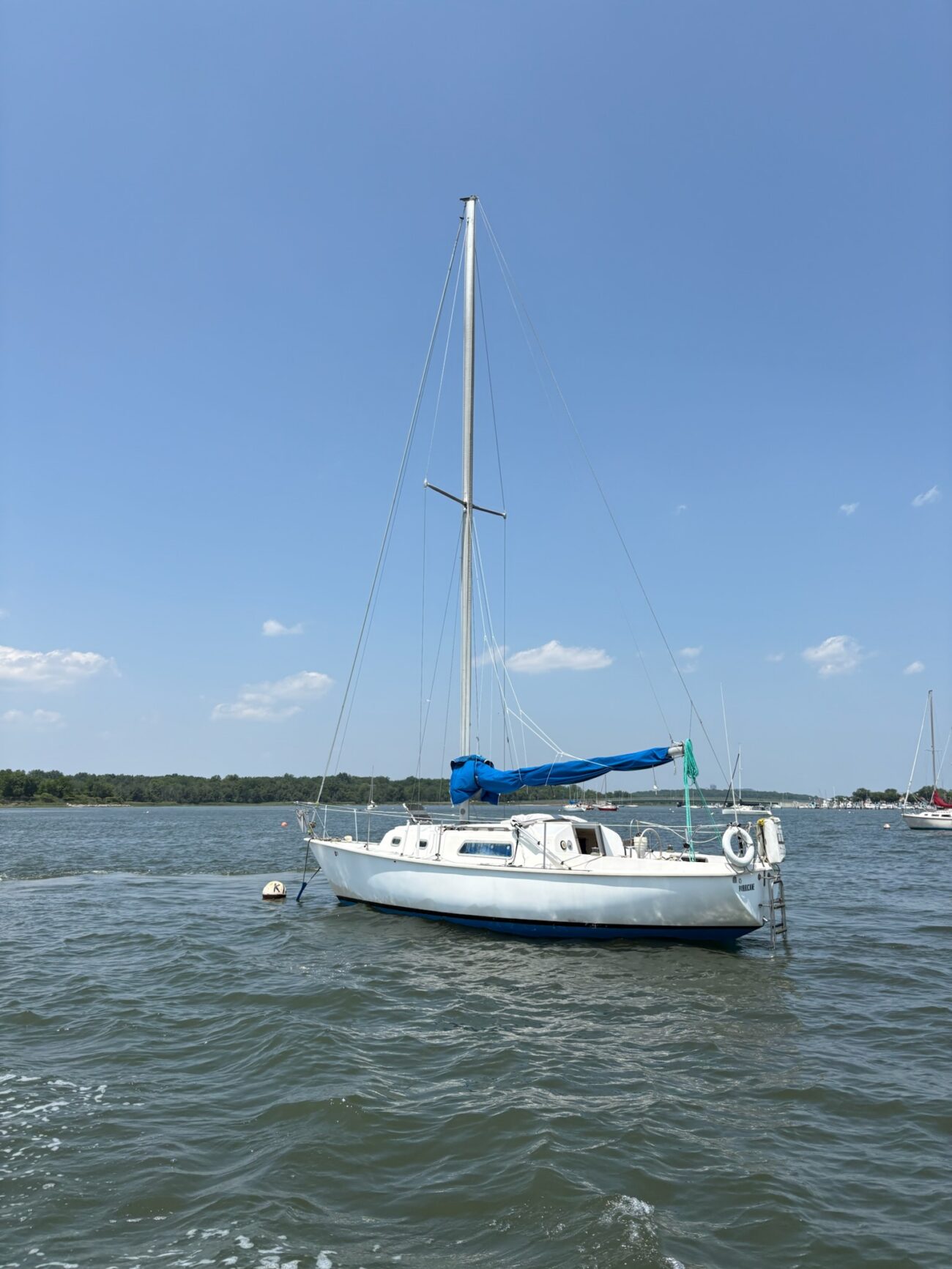
Older sailboats frequently require extensive work involving rigging, masts, keels, and hull repairs. When restoration costs continue climbing, scrapping often becomes the practical solution.
Cabin Cruisers
Cabin cruisers contain complex plumbing, electrical systems, generators, and interior components that can become expensive to maintain as they age.
Pontoon Boats
Although more common on inland waterways, pontoon boats occasionally require removal after years of weather exposure, corrosion, or structural deterioration.
Personal Watercraft
Jet skis and other personal watercraft are regularly scrapped after major engine failures, collision damage, or long periods of storage.
Commercial and Utility Boats
Work boats eventually wear out as well. Commercial operators often choose Boat Scrapyards when an aging vessel is no longer dependable or economically repairable.
Serving Every Corner of New York City’s Waterfront
New York City’s boating community stretches far beyond Manhattan. Boat Scrapyards proudly serves customers throughout the five boroughs and surrounding waterfront areas.
We regularly assist boat owners in:
- Manhattan
- Brooklyn
- Queens
- Staten Island
- The Bronx
- City Island
- Jamaica Bay
- Flushing Bay
- Newtown Creek
- Hudson River waterfront
- East River communities
- Arthur Kill shoreline
Our team also works with nearby marinas, private property owners, commercial facilities, storage yards, and waterfront businesses throughout the greater New York metropolitan area.
Because every property presents different access challenges, we carefully evaluate each project before scheduling removal. Whether your boat is stored inside a fenced yard, resting on a trailer, sitting in dry storage, or docked at a marina, we’ll develop a removal plan that fits the location.
Why Waiting Can Make Boat Removal More Difficult
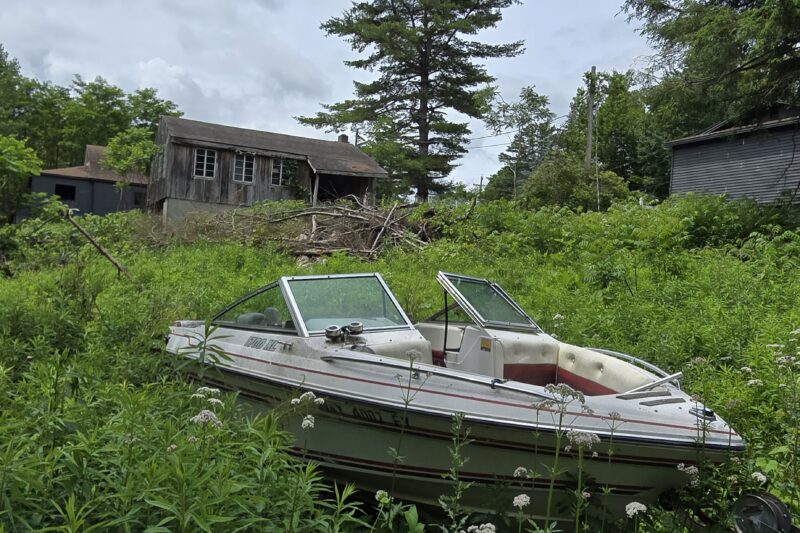
One of the biggest mistakes boat owners make is assuming that waiting another year won’t make much difference. Unfortunately, boats rarely improve with time when they’re left sitting unused.
Moisture continues to work its way into structural components.
Fiberglass begins to weaken.
Trailers develop rust.
Tires lose air and deteriorate.
Electrical systems corrode.
Mold and mildew spread through the interior.
Small problems gradually become much larger—and often much more expensive to address.
In busy metropolitan areas like New York City, an abandoned boat can also become an inconvenience for property owners, marina operators, and storage facilities. Acting sooner rather than later often makes the removal process smoother while preventing additional deterioration.
Why Boat Owners Trust Boat Scrapyards
Choosing the right company matters when you’re dealing with an aging or unwanted boat. Every removal presents different challenges, and experience can make a significant difference in how efficiently the project is completed.
Boat Scrapyards has built its reputation by providing dependable service, clear communication, and practical solutions for boat owners throughout New York City. From small recreational vessels to larger cruisers, our team understands the logistics involved in transporting boats safely from a variety of locations.
We recognize that no two boats—and no two customers—have the same needs. That’s why every project begins with an evaluation of the vessel, its condition, and its location before a removal plan is put in place.
Whether you’re clearing out a marina slip, making room for a new boat, settling an estate, or finally parting with a long-forgotten restoration project, Boat Scrapyards is committed to making the process as straightforward as possible.
Make Room for What’s Next
An unwanted boat doesn’t have to remain a permanent fixture on your property or an ongoing expense that serves no purpose. Professional boat scrapping gives owners a practical way to move forward while reclaiming valuable space and eliminating the responsibilities that come with an aging vessel.
Boat Scrapyards proudly provides boat scrapping, marine scrapping, salvage, and boat removal services throughout New York City. Whether your boat is stored near the Hudson River, docked along the East River, parked in a storage yard, or sitting behind your home, our experienced team is ready to help.
Contact Boat Scrapyards today to discuss your project and receive a free estimate for professional boat scrapping and removal services in New York City.