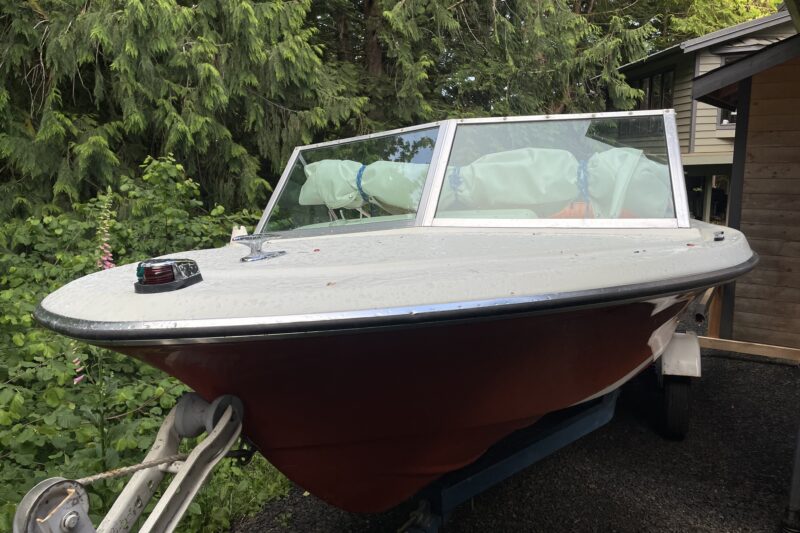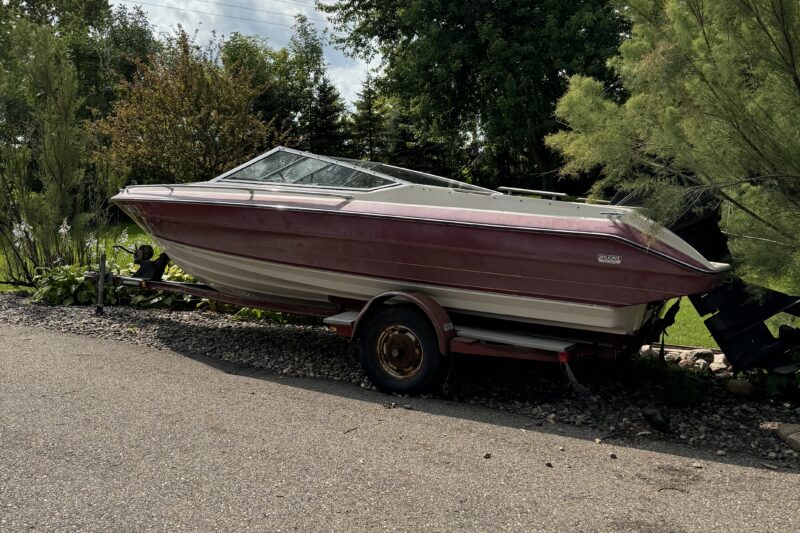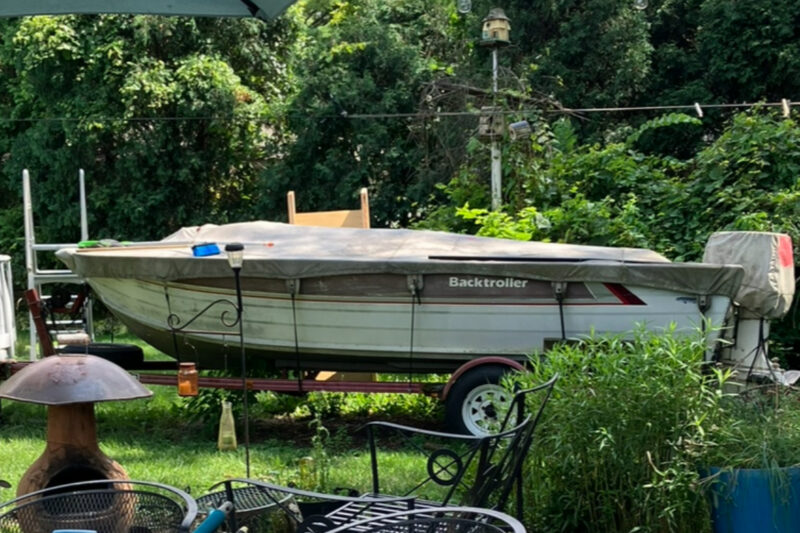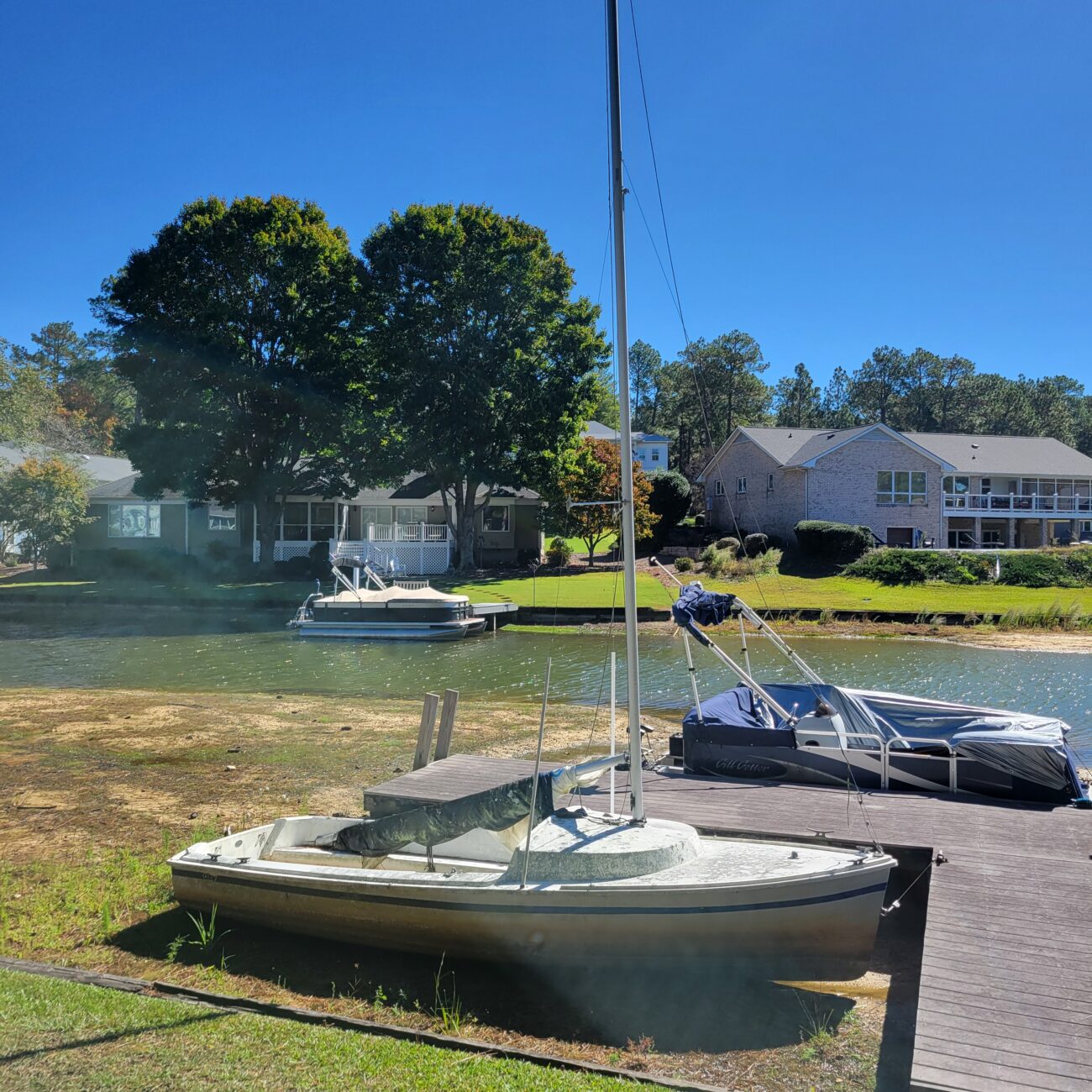
Asheville sits in the Blue Ridge Mountains, far from the coast but surrounded by lakes, rivers, marinas, and communities where recreational boats remain part of local life. From fishing boats kept near Lake Julian to pontoons, ski boats, and older watercraft used on Lake Lure and Lake James, boats in Western North Carolina eventually require repairs, transportation, storage, or removal. When a vessel becomes too damaged, expensive, or difficult to maintain, finding a dependable way to get rid of it can be a challenge.
Boat Scrapyards helps boat owners explore practical options for unwanted, damaged, neglected, and non-running boats. Whether a vessel is sitting on a trailer, stored beside a home, occupying space at a marina, or waiting on a property for years, boat removal and boat scrapping can help clear the space without leaving the owner to manage every part of the process alone.
As boats age, common problems such as deteriorating hulls, failed engines, water intrusion, damaged decks, and electrical issues can make continued ownership less practical. A boat that once provided weekend recreation may eventually become a costly storage problem. Boat Scrapyards connects the need for boat removal with an approach that considers the vessel’s condition, access requirements, hauling needs, and potential salvage materials.
Clearing Out Unwanted Boats Throughout Asheville and Western North Carolina
Boat ownership comes with ongoing responsibilities. Even when a boat is no longer being used, it can still take up valuable room, require occasional maintenance, and create concerns about weather exposure or property upkeep. In Asheville, where residential properties, rural lots, and mountain-area storage locations can have different access conditions, removing an unwanted vessel may require more planning than simply towing it away.
Some owners have boats that have not run for several seasons. Others inherit an older vessel, purchase property with a boat already on it, or decide that repairs are no longer worth the expense. Fiberglass damage, rotting wood, corrosion, missing components, and engine failure can all contribute to the decision to seek removal.
Boat Scrapyards provides a starting point for owners looking to arrange boat removal and determine whether hauling, dismantling, or scrapping may be suitable for their particular vessel. The right approach depends on the boat’s size, location, condition, and the equipment needed to access it safely.
Removing a boat can also help homeowners reclaim driveways, yards, garages, barns, and storage areas. For businesses, marinas, and property managers, clearing unused boats can create room for active inventory and reduce the burden of storing vessels that are no longer being maintained.
From Old Fiberglass Hulls to Broken-Down Fishing Boats
Not every unwanted boat looks the same. Some vessels are visibly deteriorated, while others appear intact but have mechanical problems that make them impractical to operate. Boat Scrapyards can help owners explore removal options for a range of boat types and conditions.
Common vessels considered for removal include:
- Fiberglass fishing boats with cracked hulls, damaged transoms, or failed engines.
- Aluminum fishing boats with corrosion, bent sections, or missing components.
- Pontoon boats with deteriorated decks, damaged pontoons, or worn structural parts.
- Ski boats and wake boats that no longer run or require costly repairs.
- Older sailboats with damaged rigging, weathered hulls, or missing equipment.
- Small recreational boats that have been sitting outdoors for years.
- Project boats that were purchased for restoration but never completed.
- Boats stored on trailers that are no longer roadworthy or practical to repair.
- Personal watercraft and other small recreational vessels, depending on access and removal requirements.
- Storm-damaged or neglected boats that need professional handling.
The material and construction of a boat influence how it can be dismantled and handled. Fiberglass hulls, aluminum components, steel fittings, engines, wiring, and other materials may require different processing methods. Not every part of every boat can be reused or recovered, so the vessel should be evaluated based on its actual condition rather than assumed salvage value.
If you are unsure whether your boat qualifies for removal, provide its approximate length, construction type, current location, and a description of its condition. Photos can also help communicate visible damage, access limitations, and whether the boat is sitting on a trailer or directly on the ground.
Boat Scrapping and Marine Salvage Options Near Asheville
Boat scrapping involves dismantling or processing a vessel that is no longer practical to keep in service. Depending on the boat, marine salvage may involve separating usable components, identifying recoverable metals, and managing materials that require specialized handling.
A boat can contain aluminum, steel, copper wiring, engines, batteries, hardware, fiberglass, wood, foam, upholstery, and other mixed materials. Some components may have salvage potential, while others may require disposal through appropriate channels. The overall condition of the vessel, the cost of transportation, and the labor involved all affect the available options.
For Asheville-area owners, transportation can be an important consideration. Mountain roads, sloped driveways, narrow access points, and limited turning space may affect the equipment and planning needed to move a vessel. A boat that is easy to access in a large parking area may present a different challenge when it is stored behind a home or on a wooded property.
Boat Scrapyards helps owners start the process by sharing information about the vessel and its location. From there, the available removal arrangements can be assessed according to the boat’s size, condition, and accessibility.
Boat scrapping is not the same as simply abandoning a boat or leaving it beside a road. Owners should arrange a legitimate removal plan, confirm who is responsible for transportation, and retain relevant ownership documentation. If a boat is registered or titled, the owner should also check applicable North Carolina requirements for ownership transfer, registration cancellation, and any required notifications.
Getting a Boat Hauled Away From Driveways, Marinas, and Rural Properties
The location of an unwanted boat can be just as important as its condition. Some vessels are parked in open driveways with direct trailer access. Others sit behind fences, on uneven ground, beside outbuildings, or in storage areas where maneuvering room is limited.
Boat hauling generally requires consideration of the vessel’s dimensions, weight, trailer condition, access route, and loading requirements. A boat that cannot be moved under its own power may still be removable, but its condition can influence how it needs to be loaded or transported.
Before arranging pickup, owners should identify potential obstacles, including:
- Narrow gates or driveways.
- Low tree branches and overhead obstructions.
- Steep slopes or soft ground.
- Limited room for a tow vehicle or hauling equipment.
- Flat tires, seized trailer components, or missing trailer parts.
- Boats that are partially dismantled or resting on blocks.
- Nearby structures, fences, vehicles, or landscaping that limit movement.
Sharing these details in advance helps establish realistic expectations and reduces the risk of delays. It is also useful to explain whether the boat contains loose equipment, fuel, batteries, or other items that may need attention before transportation.
If a boat is located at a marina or private storage facility, confirm any access rules, pickup windows, and authorization requirements before scheduling work. Property owners and marina operators may have specific procedures for moving vessels, and those arrangements should be resolved before removal begins.
Lake Julian, Lake Lure, and the Recreational Boating Communities Around Asheville
Although Asheville is inland, Western North Carolina has a strong recreational boating culture supported by nearby lakes and regional waterways. Lake Julian, Lake Lure, and Lake James are examples of destinations where residents and visitors enjoy fishing, paddling, cruising, and other water-based activities.
Boats used in these areas eventually require maintenance, replacement, or removal. A fishing boat may develop hull damage after years of use. A pontoon boat may become too expensive to repair after its decking and structural components deteriorate. A family may stop using a ski boat and decide that storing it indefinitely no longer makes sense.
Seasonal use can also contribute to neglect. A boat that spends long periods outside may experience fading, moisture damage, cracked upholstery, corrosion, or deterioration of exposed components. If water enters the hull or engine compartment, repairs can become more extensive.
Owners should avoid assuming that a boat can be left indefinitely on private property or near a waterway simply because it is no longer being used. Abandoned vessels can create property, environmental, and safety concerns. Promptly arranging an appropriate removal plan helps prevent a manageable storage issue from becoming a larger problem.
Boat Scrapyards serves owners looking for a practical next step when an unwanted vessel is taking up space in Asheville or the surrounding Western North Carolina region.
Service Areas for Boat Removal Across Buncombe County and Nearby Communities
Boat removal needs extend beyond Asheville’s city limits. Owners throughout the surrounding region may have vessels stored at homes, workshops, rural properties, private lots, or recreational facilities.
Potential service inquiries may come from Asheville and nearby communities such as:
- Weaverville
- Woodfin
- Black Mountain
- Swannanoa
- Candler
- Arden
- Fletcher
- Fairview
- Leicester
- Hendersonville
- Waynesville
- Brevard
Availability can vary by location, boat size, access conditions, and the type of hauling or dismantling required. Some locations may involve longer transportation distances or more complicated loading arrangements.
When requesting boat removal, provide the property’s address or general location, the boat’s approximate length, its construction material, and whether it is on a trailer. If the boat is not on a trailer, explain how it is currently supported and whether equipment can reach it.
A clear description allows the removal requirements to be reviewed before arrangements are made. Boat Scrapyards can help you identify the information needed to move toward a suitable boat removal or boat scrapping solution.
How to Prepare an Unwanted Boat for Pickup
A little preparation can make boat removal more straightforward. The owner does not necessarily need to dismantle the entire vessel before contacting a removal service, but sharing accurate information and identifying potential hazards is important.
Start by documenting the boat’s current condition. Take photographs of the hull, engine area, trailer, and surrounding access route. Include any significant damage, missing wheels, leaning supports, or obstacles that could affect loading.
Next, gather any available ownership documents. Depending on the boat and its registration status, title, registration, or other ownership records may be relevant. If the vessel was inherited or acquired with a property purchase, explain that circumstance so any documentation questions can be addressed before pickup.
Remove personal belongings and equipment that you intend to keep. Fishing gear, life jackets, electronics, registration papers, tools, and other personal items should be collected before the boat is hauled away.
Fuel, batteries, oils, and other potentially hazardous materials deserve special attention. Do not drain or dispose of these materials into storm drains, onto soil, or into waterways. Ask how they should be handled for the specific removal arrangement, especially if the boat is damaged, leaking, or difficult to access.
Finally, confirm the pickup location, access instructions, and any property permissions required. If the vessel is on someone else’s land or stored at a marina, make sure the responsible party has authorized its removal.
What to Expect When Boat Scrapyards Arranges Boat Removal
The removal process begins with information about the boat and the work required. Although each situation is different, the general process usually includes several practical steps.
1. Share the boat details. Provide the boat type, approximate length, location, current condition, and available photographs. Explain whether it runs, whether a trailer is included, and whether the vessel is easy to access.
2. Review the removal requirements. The boat’s condition, transportation distance, loading needs, and any access limitations help determine what arrangements may be appropriate.
3. Confirm the scope of the job. Before work begins, clarify what the removal arrangement includes, any charges or payment terms, and whether preparation is required from the owner.
4. Coordinate pickup and access. Make sure the agreed pickup area is accessible and that any required permissions or documents are ready.
5. Complete the agreed removal. The vessel is handled according to the confirmed plan. Depending on its condition and materials, further dismantling or scrapping may take place after transportation.
6. Address ownership and registration matters. Keep copies of any relevant paperwork and follow applicable state requirements for titled or registered vessels.
Boat Scrapyards helps owners take a more organized approach to removing boats that are no longer wanted or practical to maintain. The goal is to clarify the steps involved and help identify a suitable route for hauling, scrapping, or salvage.
Frequently Asked Questions About Asheville Boat Removal
Can I arrange removal for a boat that no longer runs?
Yes, non-running boats may qualify for removal. The process depends on the vessel’s size, location, trailer condition, and loading requirements. Explain any mechanical problems or structural damage when requesting an assessment.
Does Boat Scrapyards handle old fiberglass boats?
Fiberglass boats may be considered for removal, including vessels with cracked hulls, damaged decks, and failed engines. Because fiberglass requires different handling from recyclable metals, the boat’s construction and condition will affect the available processing options.
Can a boat be removed from a residential property in Asheville?
Residential boat removal may be possible when the vessel and access conditions can be accommodated. Narrow driveways, steep ground, gates, trees, and nearby structures should be disclosed before scheduling.
What if my boat is still sitting on its original trailer?
Provide details about both the boat and trailer. A trailer with damaged tires, seized bearings, or missing components may affect transportation and could require additional arrangements.
Do you remove pontoon boats?
Pontoon boats may qualify for removal depending on their size, condition, location, and accessibility. Mention whether the pontoons are damaged, the deck is deteriorated, or any structural components are missing.
Can I get rid of a boat that has been sitting for several years?
A boat that has been stored outdoors or unused for years may still be considered. Photographs and information about the hull, engine, trailer, and current location help determine the removal requirements.
Is every boat suitable for marine salvage?
No. The amount of recoverable material varies, and dismantling or transportation costs can affect the options available. Some boats contain components with salvage potential, while others require more extensive handling and disposal.
What information should I provide when requesting boat removal?
Include the boat’s location, approximate length, type, construction material, current condition, and whether it has a trailer. Photos of the vessel and access route can also help clarify the work involved.
Find a Practical Solution for an Unwanted Boat in Asheville
An old boat does not have to occupy valuable space indefinitely. Whether you have a damaged fishing boat, a neglected pontoon, a non-running ski boat, or a project vessel that you no longer intend to restore, exploring boat removal can help you determine the next step.
Boat Scrapyards helps connect owners with options for boat hauling, boat scrapping, and marine salvage based on the vessel’s condition and location. By preparing accurate details, checking ownership documentation, and discussing access requirements in advance, you can make the removal process easier to plan.
If an unwanted boat is taking up room on your Asheville property or at a nearby storage location, start by gathering a few photographs and basic details about the vessel. That information can help establish what kind of removal arrangement may be appropriate.