Clearwater is surrounded by water, and boating is woven into everyday life across the area. The Gulf of Mexico, Clearwater Harbor, Intracoastal Waterway, and nearby bays provide access for fishing, sailing, cruising, water sports, and commercial marine activity.
That means there are plenty of boats in Clearwater.
It also means there are plenty of boats eventually reaching the end of their useful lives.
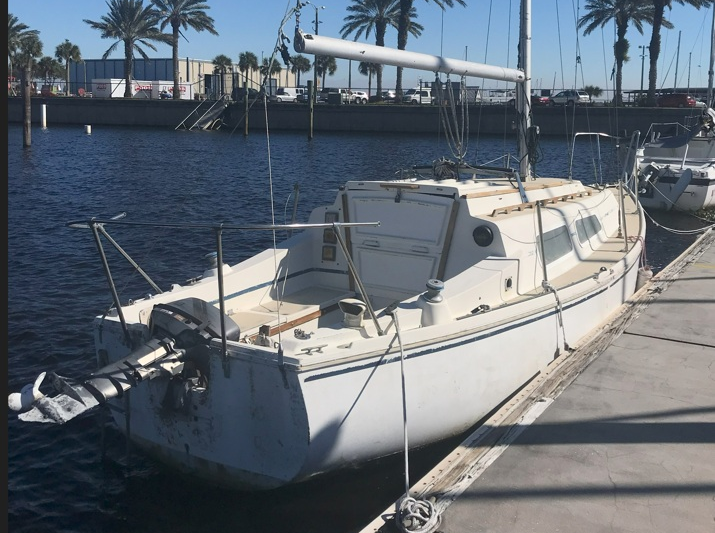
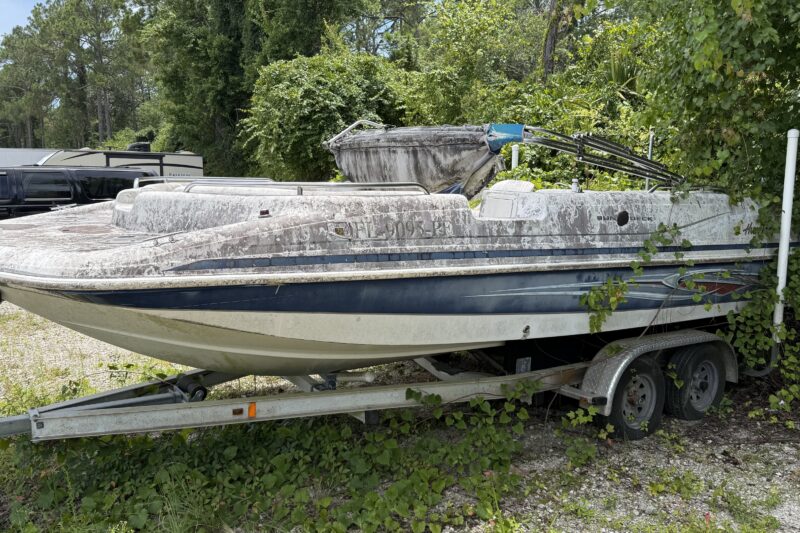
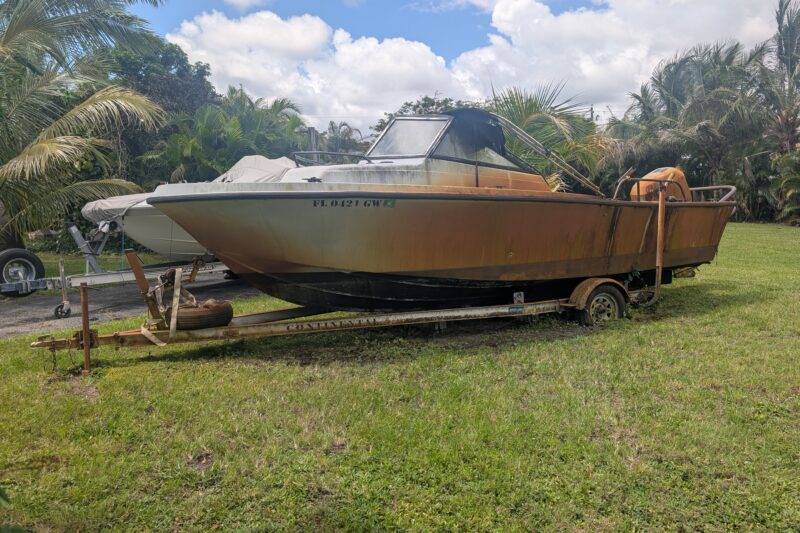
An old center console may have a dead engine. A sailboat may have been sitting untouched for years. A fiberglass cruiser might have sustained storm damage that makes restoration financially unrealistic. A pontoon boat may have deteriorated beyond what the owner wants to repair.
Then there are the boats that were purchased as projects and never finished.
At some point, keeping the vessel becomes more work than getting rid of it.
That’s where Boat Scrapyards can help.
Boat Scrapyards provides professional boat scrapping, marine scrapping, boat removal, and salvage services throughout Clearwater and surrounding Pinellas County communities. We help property owners, boat owners, marinas, and businesses deal with unwanted vessels that are damaged, non-running, outdated, abandoned, or simply no longer needed.
Clearwater Boat Scrapping FAQ
Can Boat Scrapyards remove a boat that doesn’t run?
Yes. Non-running vessels are common boat removal projects. Engine problems, electrical failures, damaged trailers, and years of neglect can all leave boats unable to move under their own power.
Do you scrap fiberglass boats?
Yes. Fiberglass boats are extremely common throughout Florida and can be evaluated for professional boat scrapping and disposal.
Can you remove storm-damaged boats?
Storm and hurricane damage can leave vessels severely compromised. Boat Scrapyards can evaluate damaged boats and determine whether removal and marine scrapping are appropriate.
Can you remove boats from marinas?
Yes. Marina removals can require coordination with the facility, but Boat Scrapyards works with owners and property managers to organize the process.
What happens after the boat is removed?
The vessel can be examined for potentially recoverable components and materials. Depending on its condition, that may include metals, engines, trailers, marine hardware, wiring, batteries, and electronics.
The Boat May Have Been Fun. Keeping It May Not Be.
Most unwanted boats don’t become problems overnight.
The decline usually happens gradually.
Maybe the owner stops using the vessel as often. Then an engine issue appears. The repair gets postponed. The boat spends another season sitting in storage. A cover deteriorates. Water gets inside. The trailer starts showing corrosion.
Eventually, the owner is left with a boat that requires significant investment before it can return to the water.
This is especially common with older vessels that have accumulated multiple problems.
Replacing an engine might be possible.
Repairing the deck might also be possible.
Replacing electrical components might be manageable.
But doing all three at once can completely change the economics.
That’s when boat scrapping becomes a reasonable alternative.
Instead of putting more money into a vessel that may never become worthwhile again, the owner can arrange professional removal and reclaim the space.
Florida’s Coastal Environment Doesn’t Give Old Boats Much of a Break
Clearwater’s climate is excellent for boating, but constant exposure to Florida’s environment can be demanding on an aging vessel.
Salt air contributes to corrosion.
Strong sunlight damages upholstery, plastics, seals, and exterior finishes.
Humidity encourages moisture problems.
Heavy rainfall can expose leaks.
Hurricanes and tropical storms can cause extensive structural and cosmetic damage.
A boat that’s properly maintained can remain useful for many years, but neglected vessels can deteriorate rapidly.
This is one reason a boat that has been sitting unused shouldn’t necessarily be viewed as a future restoration project.
Sometimes it has simply reached the point where removal makes more sense.
Boat Scrapyards helps Clearwater-area owners determine how to move forward when maintaining the vessel is no longer practical.
Boat Scrapping Is Different From Regular Junk Removal
A boat isn’t just a large piece of debris.
Depending on its construction, a vessel may contain fiberglass, aluminum, stainless steel, copper, bronze, wood, plastics, batteries, fuel equipment, plumbing, electronics, hydraulic systems, engines, and other marine components.
Those materials don’t all require the same treatment.
The physical removal can also be complicated.
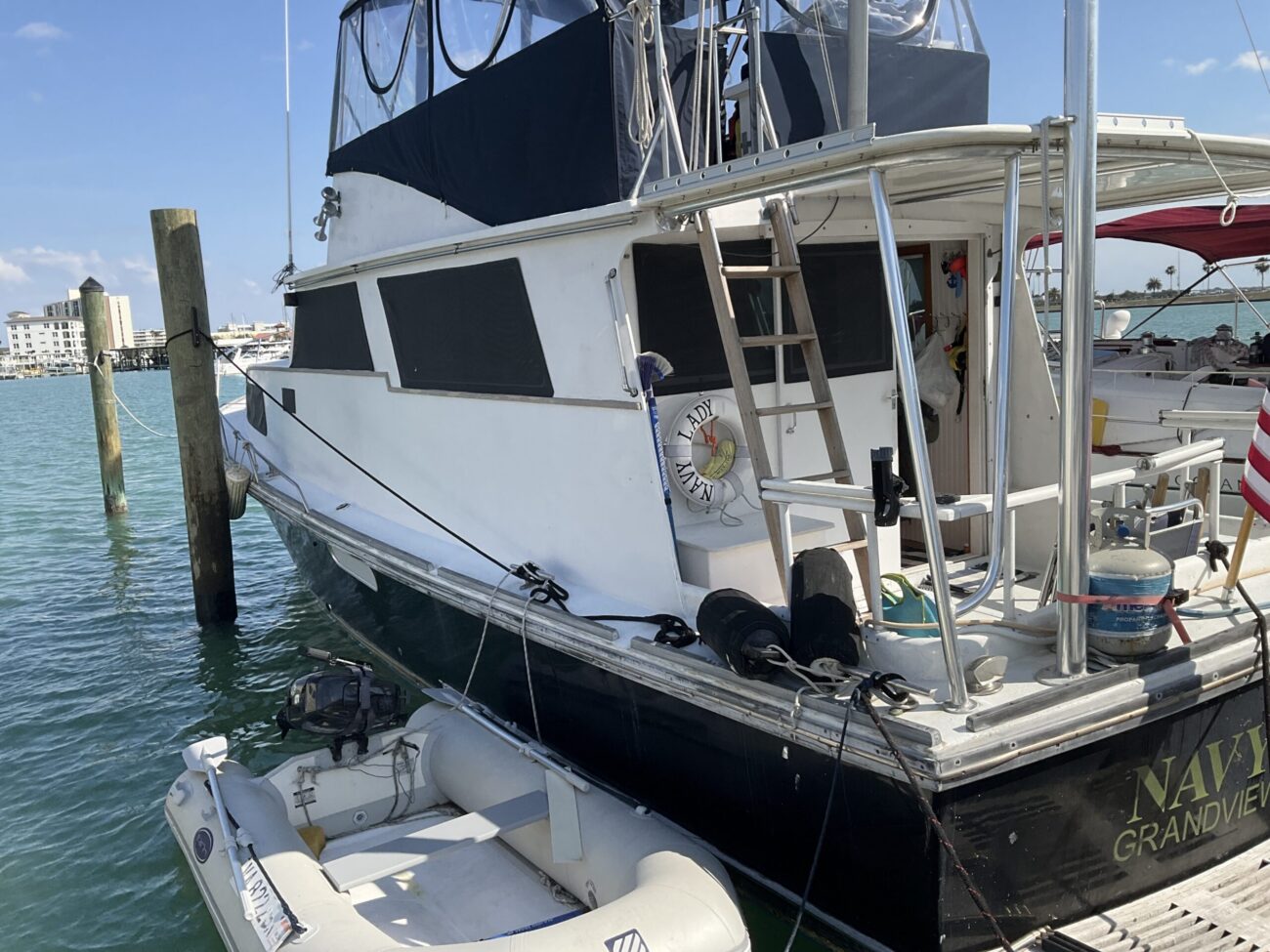
A small fishing boat on a functional trailer may be relatively straightforward. A large cabin cruiser at a marina is another matter. A vessel sitting behind a home with limited driveway access can create additional challenges.
Boat Scrapyards considers the boat’s size, construction, condition, location, and accessibility when determining how removal should be handled.
That planning is an important part of professional marine scrapping.
Why Clearwater Boats End Up Being Scrapped
There are many different paths that lead an owner to a boat scrapyard.
Failed Engines
A major engine failure can be the deciding factor for an older boat. Repowering a vessel may cost more than the owner wants to invest.
Structural Problems
Soft decks, damaged transoms, hull issues, leaks, and deteriorated stringers can turn a manageable repair into a major reconstruction.
Hurricane Damage
Storm surge, wind, flooding, and debris can leave boats severely damaged. Some vessels simply aren’t worth rebuilding after a major storm.
Corrosion
Coastal exposure can affect hardware, electrical systems, engines, fittings, and other components over time.
Long-Term Neglect
Boats aren’t designed to sit indefinitely without maintenance. A vessel that hasn’t moved for several years can develop numerous problems simultaneously.
Storage Costs
An unused boat can continue generating marina, storage, insurance, registration, and maintenance expenses.
Inherited Boats
A family member may inherit a vessel without wanting the responsibility that comes with it.
Unfinished Projects
A boat purchased for restoration can easily become a permanent project when the owner discovers how extensive the repairs really are.
Professional boat removal gives owners another option.
What Types of Boats Can Be Scrapped?
Clearwater has an extensive recreational boating community, so Boat Scrapyards encounters many different vessel types.
Projects can involve:
- Fishing boats
- Center consoles
- Bay boats
- Sailboats
- Cabin cruisers
- Sportfishing boats
- Aluminum boats
- Pontoon boats
- Deck boats
- Ski boats
- Wake boats
- Personal watercraft
- Utility boats
- Yacht tenders
- Commercial vessels
The exact type of boat isn’t necessarily what determines whether it can be removed.
Condition and accessibility are often more important.
A small boat with a severely deteriorated trailer may be difficult to transport. A much larger vessel sitting in an accessible boatyard may have a more straightforward removal path.
Each project needs to be evaluated on its own circumstances.
What’s Inside an Old Boat?
Marine scrapping becomes especially interesting when a vessel is examined beyond its exterior.
An old boat can contain numerous components that may be evaluated separately.
Depending on the vessel, these can include:
- Aluminum
- Stainless steel
- Copper wiring
- Bronze hardware
- Propellers
- Marine batteries
- Fuel tanks
- Anchors
- Chain
- Cleats
- Winches
- Outboard engines
- Steering equipment
- Pumps
- Navigation electronics
- Trailer components
Not every component will be reusable, and condition matters.
Still, identifying materials and equipment is an important part of professional boat scrapping.
Instead of looking at an old vessel as one enormous piece of waste, marine scrapping considers the different materials and systems that make up the boat.
Clearwater’s Marine Community Extends Beyond the Beach
Clearwater isn’t just a destination for tourists and recreational boaters.
The surrounding Pinellas County region has a large network of marinas, waterfront properties, boat storage facilities, commercial marine businesses, fishing operations, and private docks.
The nearby communities add even more boating activity.
Boat Scrapyards provides service throughout Clearwater and surrounding areas including:
- Clearwater
- Clearwater Beach
- Largo
- Dunedin
- Safety Harbor
- Palm Harbor
- Tarpon Springs
- Belleair
- Belleair Beach
- Belleair Bluffs
- Indian Rocks Beach
- Indian Shores
- Seminole
- Pinellas Park
- St. Petersburg
Boats may be located at private residences, marinas, storage yards, commercial properties, boatyards, and other accessible locations.
Every site is different.
A waterfront property may have dock restrictions. A marina may have scheduling requirements. A residential property may have narrow access. An old trailer may no longer be suitable for transportation.
Those details matter when planning professional boat removal.
What Happens After the Boat Is Hauled Away?
Removal is only one part of the process.
Once the vessel has been transported, it can be evaluated based on its construction, condition, and equipment.
Potentially useful components can be identified where practical. Metal materials may be separated according to type, while engines, trailers, electronics, marine hardware, batteries, and other equipment can be evaluated individually.
The remaining structure is then handled according to its material.
Fiberglass presents different challenges from aluminum.
Steel is different from copper.
Marine batteries and fuel-related equipment require additional consideration.
This is why marine scrapping is not simply a matter of taking an old boat and throwing it into a pile.
Boat Scrapyards approaches each vessel individually and considers what the boat is made of before determining how it should be handled.
Clearing Out an Old Boat Can Be a Bigger Relief Than Expected
An unwanted boat can become a background problem.
It’s sitting there every day.
It takes up part of the driveway.
It occupies a storage space.
It consumes a marina slip.
Or it sits behind a commercial property where everyone knows it needs to go but nobody has dealt with it yet.
The longer it remains, the more difficult the situation can become.
Boat Scrapyards provides a practical solution for Clearwater owners who are ready to move on.
Whether the vessel is damaged, abandoned, non-running, outdated, or simply unwanted, professional boat removal can eliminate the burden and return the space to its owner.
Don’t Let Another Florida Season Go By
If your boat has been sitting unused for years, another season probably isn’t going to make the situation easier.
The weather will continue.
The repairs won’t disappear.
Storage expenses may continue.
And the vessel will keep occupying valuable space.
If you’ve decided that your boat isn’t worth rebuilding, professional boat scrapping can provide a straightforward path toward getting rid of it.
Boat Scrapyards provides boat scrapping, marine scrapping, salvage, and boat removal services throughout Clearwater and the surrounding Tampa Bay and Pinellas County region.
From old fishing boats and fiberglass cruisers to damaged sailboats and unfinished restoration projects, we help owners deal with vessels that have reached the end of their useful lives.
Contact Boat Scrapyards today for a free estimate and take the first step toward getting your unwanted boat removed.