Wilmington is surrounded by the kind of waterways that make boating a major part of coastal North Carolina life. The Cape Fear River, Intracoastal Waterway, nearby beaches, tidal creeks, marinas, boat ramps, and waterfront properties create a steady demand for fishing, sailing, cruising, and recreational boating.
But every boating community eventually has vessels that reach the end of their useful lives.
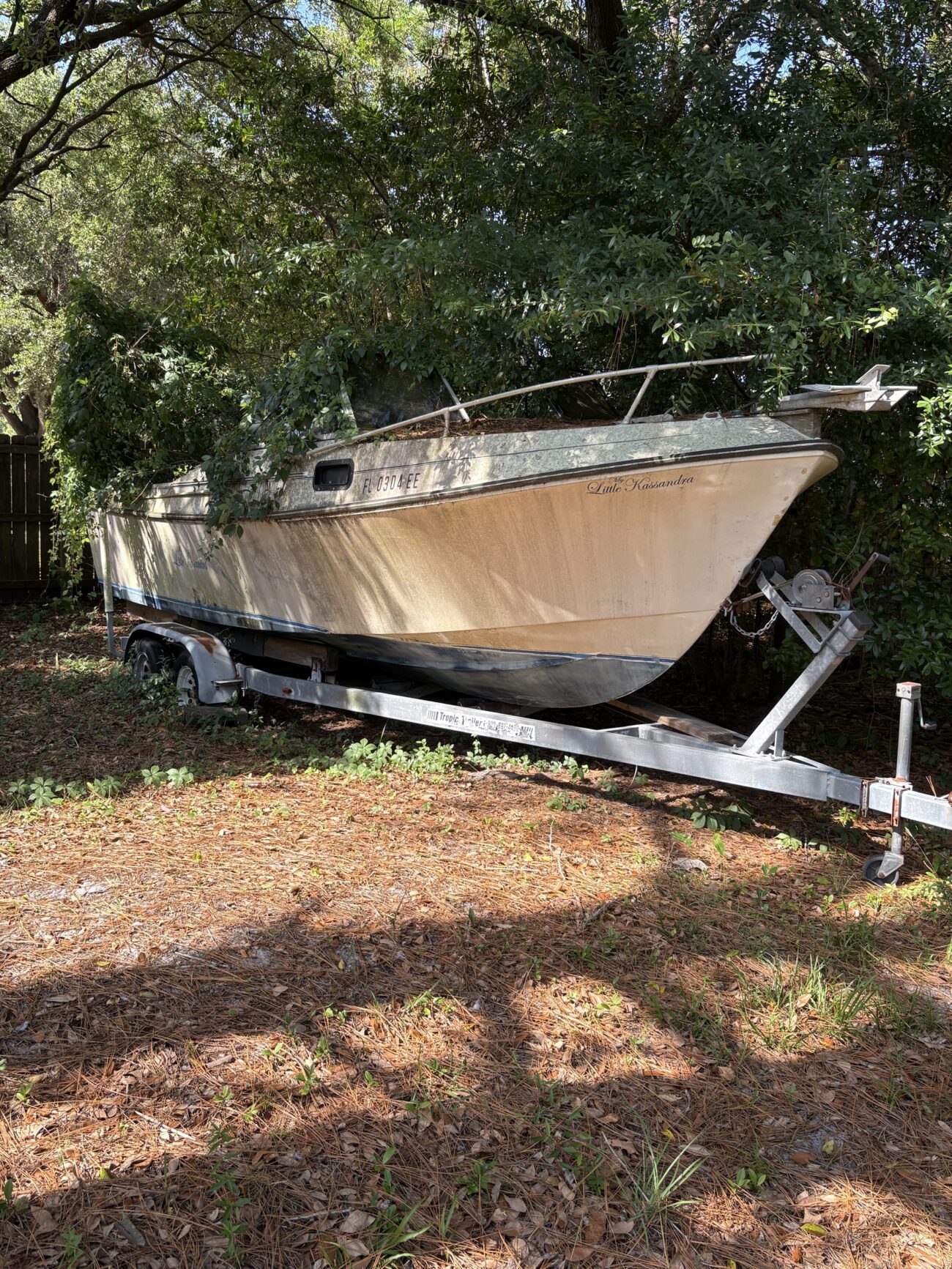
A boat may spend years providing memorable trips before an engine failure, storm, structural issue, or simple age changes the equation. A neglected vessel can become an unfinished restoration project. An old boat trailer can deteriorate until the vessel cannot safely be moved. A fiberglass hull may sit on a property long after the owner has stopped using it.
Getting rid of that boat can become a project of its own.
Boat Scrapyards helps Wilmington-area boat owners address unwanted vessels through boat removal, hauling, salvage, dismantling, scrapping, and disposal. Instead of allowing an old boat to continue occupying a driveway, storage area, marina space, or waterfront property, owners can arrange for the vessel to be evaluated and removed.
Wilmington Boat Removal FAQs
Can Boat Scrapyards remove old boats in Wilmington?
Boat Scrapyards helps owners dealing with unwanted, damaged, neglected, and non-operational boats in the Wilmington area. The removal approach depends on the vessel’s size, condition, location, and accessibility.
Does a boat have to be running?
No. Non-running vessels are commonly the boats owners have difficulty moving themselves. Engine failure, electrical problems, and trailer damage can all make ordinary towing impractical.
What kinds of boats can be removed?
Potential removal projects include fishing boats, sailboats, cruisers, runabouts, pontoon boats, aluminum vessels, fiberglass boats, and other recreational or working craft, depending on the circumstances.
Can you remove the boat trailer?
Trailer condition can be considered as part of the boat removal project. Old trailers may have deteriorated tires, seized bearings, rust, brake problems, or structural issues.
Are fiberglass boats handled differently?
Yes. Fiberglass hulls are constructed differently from aluminum and steel boats. Their condition and materials help determine the appropriate dismantling and disposal process.
What happens after the boat is removed?
The vessel can be evaluated for salvageable components and scrap materials. Depending on the boat, different equipment and materials may be separated and handled according to their characteristics.
Why Wilmington Boat Owners Eventually Need to Get Rid of a Boat
Boat ownership can change dramatically over time.
A vessel that was once used every weekend may eventually sit untouched.
An owner might relocate. Family circumstances may change. A boat may become too expensive to maintain. An inherited vessel may be unwanted. A restoration project may become much larger than expected.
The result is often the same.
The boat stays put.
At first, leaving it alone seems harmless.
Then months become years.
During that time, a neglected boat can develop additional problems. Engines deteriorate. Upholstery breaks down. Electrical systems become unreliable. Hulls and decks experience continued exposure. Trailers develop mechanical issues.
Wilmington’s coastal environment can make long-term neglect especially difficult. Moisture, humidity, wind, rain, sunlight, and salt air all affect marine equipment.
Once the owner decides the boat is no longer worth keeping, the challenge becomes finding a practical way to remove it.
When Restoration Becomes Too Expensive
Many unwanted boats begin life as restoration projects.
The owner sees potential.
Maybe the hull is still in decent condition. Maybe the engine only needs a little work. Maybe the interior can be rebuilt.
Then the repair list grows.
The engine requires major work.
The fuel system needs replacement.
The wiring is outdated.
The trailer needs repairs.
The deck has problems.
The interior has deteriorated.
Suddenly, the owner is not making a few repairs. They are rebuilding the entire boat.
That does not automatically mean the vessel should be scrapped. Some restoration projects are worthwhile.
But owners should consider the total investment rather than focusing on individual repairs.
If restoring the boat will cost substantially more than the owner wants to spend, removal can provide an exit.
Boat Scrapyards helps Wilmington owners move forward when an old vessel has become more burden than benefit.
The Types of Boats We Remove, Salvage & Scrap
Different vessels reach the end of their useful lives for different reasons.
Fishing Boats
Fishing boats can contain engines, electronics, fuel systems, wiring, fishing equipment, aluminum, stainless hardware, and other marine components. Once maintenance becomes excessive, removal may be the practical solution.
Sailboats
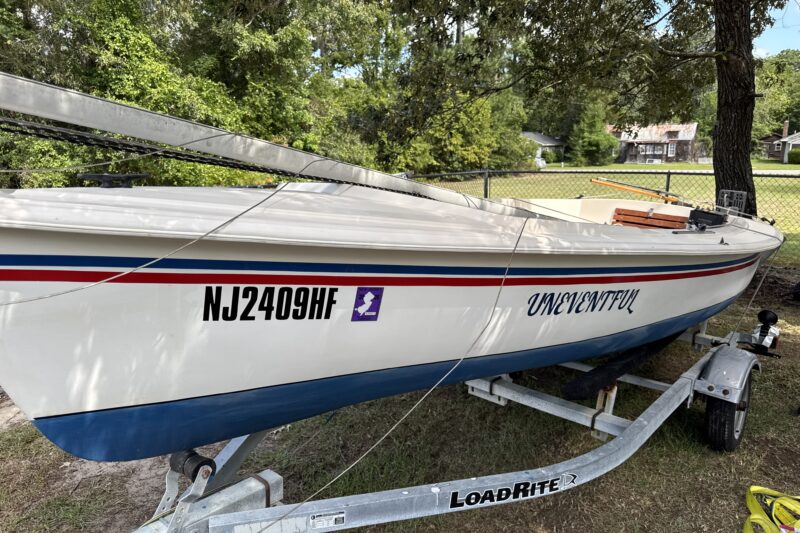
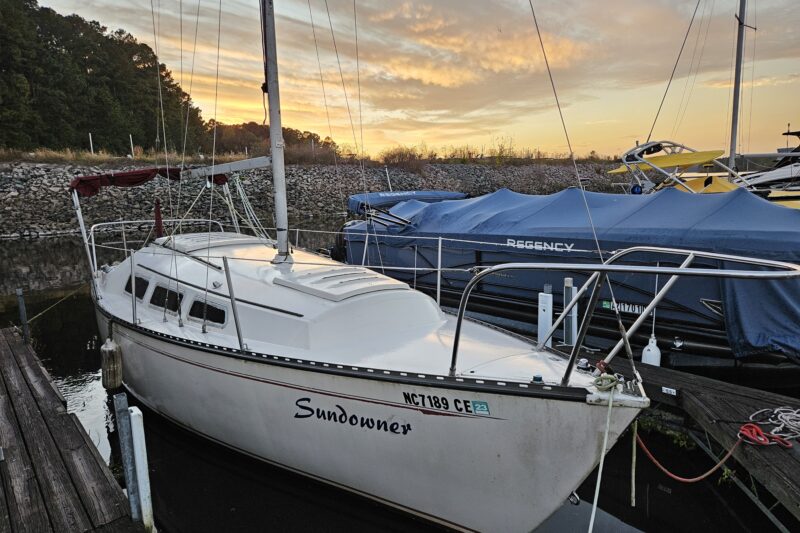
Sailboats can become substantial projects when rigging, sails, decks, engines, interiors, and hull components deteriorate. Their masts and overall dimensions can also complicate storage and transportation.
Cruisers
Cruisers can contain cabins, plumbing, electrical systems, appliances, engines, and other equipment. When multiple systems require major repairs, restoration costs can quickly increase.
Pontoon Boats
Pontoon boats can develop problems with decking, furniture, fencing, flotation components, engines, and metal structures. An older pontoon may eventually become an unwanted property fixture.
Runabouts
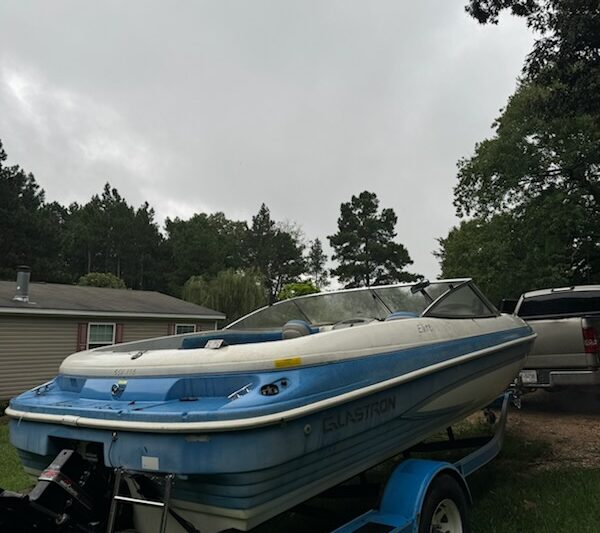
Smaller recreational boats are frequently stored on trailers. If the boat or trailer has been neglected, even a relatively small vessel can become difficult to move.
Aluminum Boats
Aluminum boats can contain significant recoverable metal. Their construction and condition determine how the vessel can be handled during scrapping.
Fiberglass Boats
Fiberglass boats require different disposal considerations because the hull is made from composite material rather than conventional scrap metal.
Wilmington’s Cape Fear River and Boating Community
The Cape Fear River is one of the defining waterways of the Wilmington area, while the nearby Intracoastal Waterway connects the region to a broader coastal boating network.
That creates an active environment for fishing, sailing, cruising, recreational boating, commercial marine operations, and waterfront businesses.
With an active boating community comes a steady cycle of vessel ownership.
Boats are purchased.
Boats are maintained.
Boats are sold.
And eventually, some boats are retired.
The difficult vessels are those that no longer have an obvious buyer.
A damaged fishing boat may not be attractive on the resale market. An old fiberglass cruiser may require too much restoration. A non-running sailboat may be impossible for an average buyer to transport.
Those vessels still need somewhere to go.
Professional boat removal provides a practical way to address them.
Residential Boat Removal in Wilmington
An unwanted boat does not have to be near the water.
Many boats are stored in driveways, side yards, backyards, workshops, storage lots, and commercial properties.
A large boat can consume valuable real estate for years.
For a homeowner, removing it can create space for additional vehicles, landscaping, construction, storage, or other uses.
It can also improve the appearance of the property.
This can be particularly useful when preparing a property for sale or renovation.
An unfinished boat project sitting beside the house can make an otherwise clean property look cluttered.
Removing the vessel eliminates the problem rather than continuing to postpone it.
Boat Trailer Problems Can Stop an Owner From Moving Forward
A boat may still appear towable even when its trailer is not.
Old trailers can have dry-rotted tires, seized bearings, damaged axles, rusted frames, failed brakes, and electrical issues.
A trailer that has not moved for several years should not automatically be considered road-ready.
This creates an obvious problem for owners who want to sell or dispose of their boat.
The boat cannot easily be transported.
The trailer cannot safely be used.
And the entire setup remains parked on the property.
Professional boat removal can take the condition of the trailer into account rather than requiring the owner to repair it before the removal process can begin.
Marina and Waterfront Boat Removal
Waterfront vessels can create additional logistical considerations.
Marinas may have narrow access areas, neighboring vessels, docks, buildings, vehicles, storage equipment, and other obstacles.
A boat that does not operate under its own power may require additional planning.
When arranging removal, owners should provide information about the vessel’s location, size, condition, accessibility, and trailer status.
That information helps determine how the project should be approached.
For marina operators, getting rid of an unwanted vessel can also free a valuable slip or storage area for another use.
Storm-Damaged and Neglected Boats
North Carolina’s coast is no stranger to severe weather.
A boat can suffer damage from storms, high winds, flooding, heavy rain, or prolonged exposure.
Damage may affect more than the hull.
Engines, electronics, trailers, decks, interiors, and other systems can also be affected.
A vessel that appears repairable from the outside may have much more extensive problems once it is inspected.
For some owners, the repair makes sense.
For others, the cost is simply too high.
When a damaged boat has reached the end of its practical service life, removal and scrapping can provide a way to clear the property.
Fiberglass Boat Disposal in Wilmington
Fiberglass vessels are common along the North Carolina coast, but their end-of-life disposal can be challenging.
The hull itself is made from composite materials rather than being one large piece of conventional scrap metal.
The boat may also contain foam, wood, wiring, fuel systems, hardware, engines, electronics, and other components.
This means the vessel should be considered as a complete disposal project.
Potentially useful equipment can be separated. Metal components can be handled according to type. The fiberglass structure can then be addressed according to the requirements of the removal project.
For an owner with a large fiberglass boat sitting on private property, professional removal can eliminate the burden of figuring out what to do with the hull independently.
Marine Scrapping Can Recover Useful Components
A boat can be finished as a vessel without every component being worthless.
Older boats may contain engines, transmissions, aluminum, stainless hardware, marine electronics, batteries, trailer components, wiring, and other equipment.
Some parts may have salvage potential.
Others may have scrap value.
This is why marine scrapping can involve dismantling and evaluating a vessel rather than simply treating it as one giant piece of junk.
The exact process varies according to the boat.
An older aluminum fishing boat may have different opportunities than a deteriorated fiberglass cruiser.
The condition of the equipment also matters.
The first step is getting the vessel removed so it can be properly evaluated.
What Happens After Your Boat Is Hauled Away?
After removal, the boat can be assessed based on its construction, condition, and remaining components.
Mechanical equipment may be evaluated separately. Metal can be sorted where appropriate. Trailer components can be handled independently. Other materials can be addressed according to their characteristics.
A fiberglass vessel may require a different process from an aluminum or steel boat.
A boat with intact equipment may have different salvage possibilities than one that has been neglected for decades.
There is no universal outcome.
Every vessel is different.
For the owner, however, the most important part has already happened: the boat is gone.
The driveway is clear.
The storage area is available.
The marina space can be used again.
The old project is finally off the property.
Why Choose Boat Scrapyards?
Getting rid of an old boat can be much more complicated than getting rid of ordinary household junk.
The vessel may be oversized. The trailer may be unusable. Waterfront access may be restricted. Fiberglass construction can require additional handling.
Boat Scrapyards focuses specifically on marine removal projects.
The process begins with the actual circumstances of the vessel.
What type of boat is it?
How large is it?
Where is it located?
Does it run?
Is the trailer usable?
Can the property be accessed?
What condition is the vessel in?
Those details help establish what the removal project requires.
For Wilmington-area owners who have spent months or years trying to figure out what to do with an unwanted boat, working with a company focused on boat removal and scrapping can simplify the process.
Stop Letting an Old Boat Take Up Valuable Space
An unwanted boat rarely becomes easier to deal with by leaving it untouched.
The trailer continues to deteriorate.
The engine becomes less reliable.
The hull experiences additional exposure.
The property remains occupied.
Eventually, the owner has to decide whether to continue maintaining the vessel or let it go.
Boat Scrapyards helps Wilmington-area boat owners, property managers, marina operators, and businesses address unwanted vessels through removal, hauling, marine salvage, dismantling, scrapping, and disposal.
Whether you have an old fishing boat, neglected sailboat, damaged cruiser, pontoon boat, fiberglass project, aluminum vessel, or non-running boat on an aging trailer, getting it removed can finally eliminate the problem.
You do not have to keep sacrificing usable property space.
You do not have to continue funding a restoration that no longer makes sense.
And you do not have to keep wondering how you are going to move an oversized vessel.
Get the boat removed.
Clear the space.
Move forward.
Boat Scrapyards is ready to help Wilmington-area owners take the next step toward getting unwanted vessels off their properties and properly addressed.