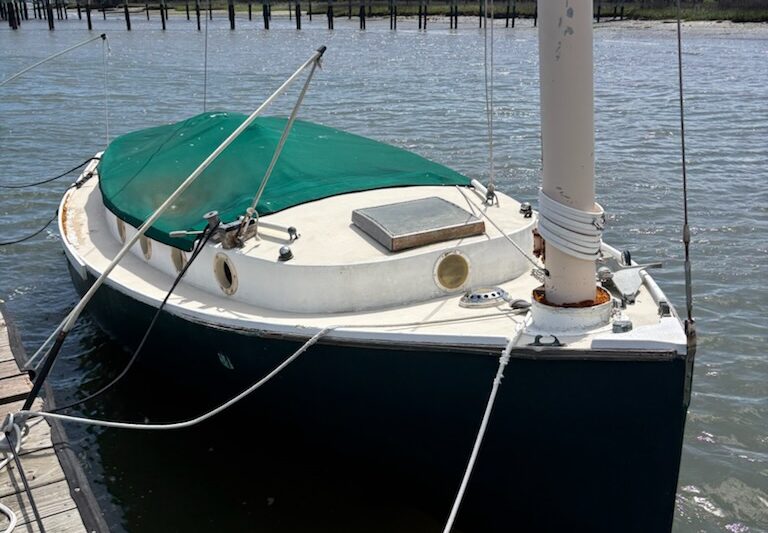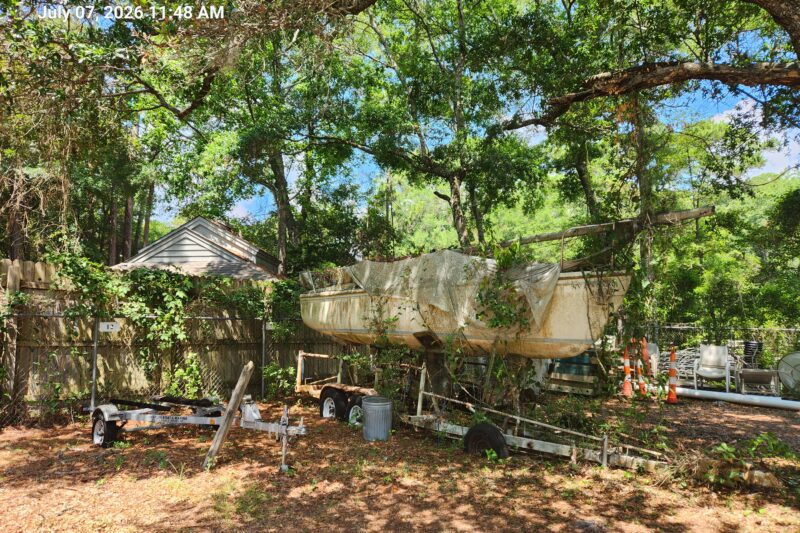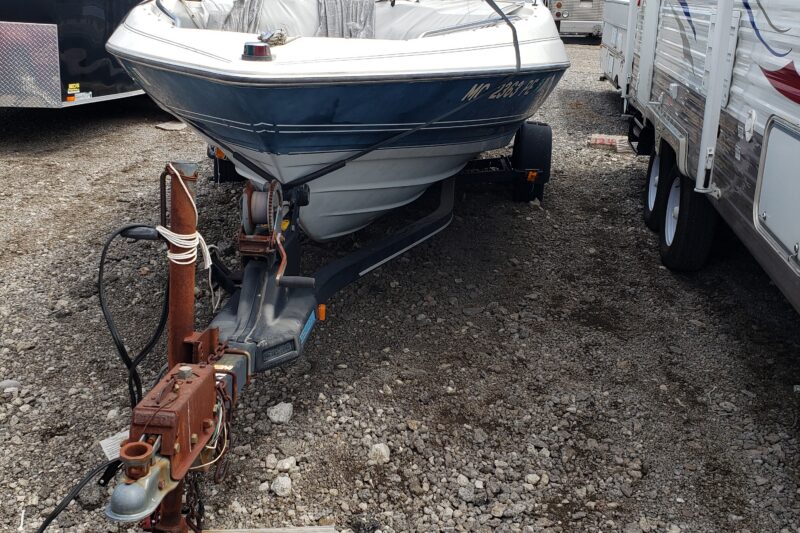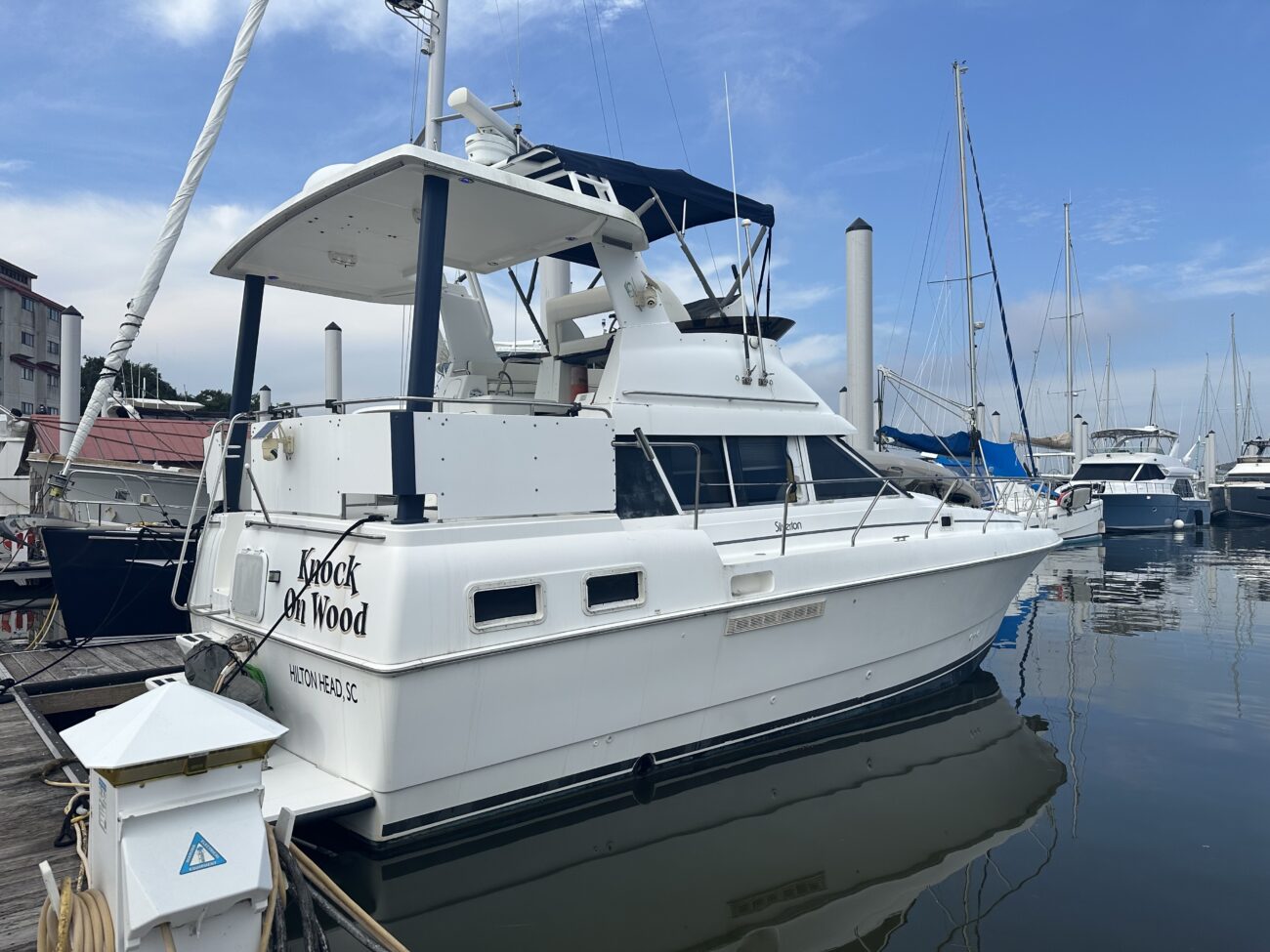
Georgetown sits in a part of South Carolina where boats are closely connected to the local landscape. Winyah Bay, the Sampit River, Black River, Great Pee Dee River, and the nearby Intracoastal Waterway create a marine environment used by fishermen, recreational boaters, commercial operators, waterfront property owners, and people who simply enjoy spending time on the water.
With all those boats comes an unavoidable reality: some eventually become unwanted.
An older fishing boat may develop mechanical problems. A sailboat can become a neglected restoration project. A cruiser may sit unused after years of deferred maintenance. A trailer can deteriorate until moving the boat becomes a problem of its own.
When that happens, keeping the vessel can become more work than it is worth.
Boat Scrapyards helps Georgetown-area owners deal with unwanted boats through removal, hauling, marine salvage, dismantling, scrapping, and disposal. Instead of allowing an old vessel to continue occupying valuable space, owners can arrange for the boat to be addressed as a complete marine removal project.
Georgetown Boat Removal Questions Answered
Can an old boat be removed if the engine does not work?
Yes. Non-running vessels are common removal projects. The boat’s condition, location, size, and accessibility all help determine the appropriate removal approach.
Do you handle boats sitting on old trailers?
Boat trailers can be included in the removal project. A trailer that has been stationary for years may have tire, bearing, brake, axle, wiring, or frame problems that make ordinary towing impractical.
What types of boats can be considered for removal?
Depending on the individual project, removal can involve fishing boats, center consoles, skiffs, sailboats, cruisers, pontoons, fiberglass vessels, aluminum boats, and other recreational or marine craft.
What if my boat has been sitting outside for years?
Long-term exposure does not automatically prevent removal. The vessel can be evaluated based on its current condition and the location where it is stored.
Can damaged boats be salvaged?
Potentially. A damaged vessel may still contain engines, hardware, metals, electronics, trailer components, or other equipment that can be evaluated separately.
What happens after a boat is hauled away?
The vessel can be assessed for salvageable components and scrap materials. The process varies according to the boat’s construction, condition, and remaining equipment.
The Real Cost of Keeping an Unwanted Boat
The price of an old boat is not limited to what someone originally paid for it.
There is also the cost of keeping it.
A boat sitting in a driveway takes up parking space. A vessel in a storage yard continues consuming storage space. A neglected trailer can become another maintenance problem. A deteriorating boat can eventually require additional cleanup around the property.
Then there is the psychological cost of having an unfinished project staring at you every day.
Many owners know they should do something with the boat but keep postponing the decision.
They tell themselves they will repair it next season.
Then next season becomes next year.
Eventually, the boat has been sitting for so long that the owner is no longer realistically planning to use it.
At that point, removal can be a much more practical option than continuing to store it.
Georgetown’s Marine Setting Creates Plenty of Boat Removal Situations
Georgetown’s waterways support a wide variety of marine activity.
Winyah Bay provides a major coastal setting, while the Sampit River runs directly through the Georgetown area. The surrounding waterways connect with the broader Lowcountry and provide access toward other coastal destinations.
This means unwanted boats can appear in many different places.
A fishing boat might sit behind a house.
A recreational vessel could be stored on a trailer.
A larger boat may be located near a waterfront property.
A commercial vessel may eventually become too old or expensive to maintain.
Each location creates its own removal considerations.
The boat may be easy to reach, or it may be surrounded by structures, other vehicles, docks, fencing, or other obstacles.
That is why boat removal begins with understanding where the vessel is and what condition it is in.
Don’t Assume an Old Boat Needs to Be Restored
There is a natural temptation to repair an older boat.
Sometimes that is exactly the right decision.
But not every vessel is a good restoration candidate.
An owner should consider the complete repair picture before committing more money.
An engine replacement might be necessary.
The fuel system could need work.
The electrical system may be outdated.
The deck might have deterioration.
The trailer may need tires and bearings.
The interior may require rebuilding.
The list can grow quickly.
A boat that initially appears to need one repair can turn into a multi-stage restoration.
If the vessel has already been sitting unused for years, owners should ask themselves whether they genuinely want to complete the project.
If the answer is no, removing the boat can put an end to the expense and storage problem.
Fishing Boats Can Become Difficult to Keep
Fishing boats receive plenty of use and exposure.
Engines run hard.
Electronics age.
Fuel systems require maintenance.
Decks and seating experience wear.
Trailers spend time in wet and coastal environments.
Eventually, the cost of keeping an older fishing boat operational can become difficult to justify.
A boat may still look recognizable while having substantial mechanical or structural problems underneath.
When the owner no longer wants to invest in those repairs, the vessel can become a candidate for removal and marine salvage.
Boat Scrapyards can help Georgetown-area owners address fishing boats that are no longer being used rather than allowing them to sit indefinitely.
Old Sailboats and Cruisers Can Consume Valuable Space
Larger vessels create an even bigger storage problem.
A sailboat can include a mast, rigging, sails, engine, tanks, electrical equipment, interior systems, and extensive hardware.
A cruiser can contain cabins, plumbing, appliances, electrical equipment, engines, generators, and other components.
When several of these systems deteriorate simultaneously, restoration can become a substantial undertaking.
The owner may have originally planned to bring the vessel back to life.
But circumstances change.
The owner may no longer have the time, money, or interest required to complete the project.
Eventually, the boat becomes a large object that needs to be removed.
What Makes Boat Trailer Removal Difficult?
A boat trailer can look perfectly fine from a distance.
That does not mean it is ready for transportation.
A trailer that has been sitting outside may have:
- Dry-rotted tires
- Seized bearings
- Rusted frame components
- Failed brakes
- Damaged wiring
- Corroded hardware
- Deteriorated rollers
- Axle problems
If the boat has not moved for several years, owners should not automatically assume the trailer can safely be connected to a vehicle and driven away.
The trailer may need to be treated as part of the removal problem.
For an unwanted vessel, repairing an obsolete trailer simply to move the boat may not be a worthwhile investment.
Residential Boat Removal in Georgetown
Not every boat removal takes place at a marina.
Many vessels spend years on private property.
A homeowner may have purchased a boat with plans to restore it. A family may have inherited an older vessel. A property owner may have acquired a boat with a home or storage lot.
Eventually, the boat becomes part of the property instead of part of an active boating lifestyle.
Removing it can create an immediate difference.
A driveway can be reopened.
A side yard can become usable again.
A storage area can be cleared.
A property can be prepared for sale.
For homeowners who have already decided they do not want the vessel, getting the removal process started can eliminate a surprisingly persistent problem.
Waterfront Boat Removal Requires More Planning
A vessel located near the water can present access challenges that are not present in a driveway.
There may be docks, pilings, neighboring boats, buildings, vehicles, narrow access roads, storage structures, or other obstacles.
The boat may also be unable to move under its own power.
That means information about the location matters.
When discussing a removal project, useful details can include the vessel’s approximate length, type, condition, whether it runs, trailer status, and how the boat can be accessed.
Photos can also help establish what the project looks like before removal is arranged.
The more accurately the situation is described, the easier it is to determine what needs to happen next.
Storm Damage Can Change the Equation
Coastal vessels deal with wind, rain, sun, humidity, and saltwater exposure.
Severe weather can make an already aging boat substantially more difficult to repair.
Damage may affect the hull, windshield, deck, engine, electronics, interior, or trailer.
One repair might be manageable.
Several damaged systems can create a completely different financial calculation.
An owner who was willing to repair a vessel before a major weather event may decide afterward that restoration is no longer practical.
In that situation, removing the damaged boat can eliminate a major property concern.
Boat Scrapyards can evaluate the vessel as a removal and salvage project rather than assuming it must return to service.
Fiberglass Boats Need Specialized Disposal Considerations
Fiberglass is common throughout recreational boating, but a fiberglass vessel is not simply a large piece of scrap metal.
The hull can contain composite materials along with wood, foam, wiring, plumbing, hardware, upholstery, engines, batteries, and other equipment.
That makes dismantling more involved.
A boat owner attempting to handle the entire process alone can quickly discover that the hull is only one part of the problem.
Professional boat removal provides an alternative.
The entire vessel can be considered as a marine disposal project, with components and materials addressed according to their condition and characteristics.
Marine Salvage Looks Beyond the Hull
An old boat does not necessarily stop having value simply because it stops being useful on the water.
The hull may be deteriorated while individual components remain usable.
Depending on the vessel, salvage and scrap potential can include:
- Aluminum
- Stainless steel
- Copper wiring
- Engines
- Transmissions
- Propellers
- Marine electronics
- Batteries
- Hardware
- Trailer components
- Metal fittings
The actual condition of those items determines what can be salvaged or scrapped.
That is why dismantling is an important part of marine disposal.
Instead of viewing the vessel as one giant object, it can be evaluated component by component.
What Happens After Boat Scrapping Begins?
Once the boat has been removed, it can be assessed according to its construction and condition.
An engine may be considered separately from the hull.
Metal components can be sorted.
Trailer equipment can be handled independently.
Marine hardware and electronics may be evaluated for salvage potential.
Other portions of the vessel can be dealt with according to their material composition.
A relatively intact boat can have a different outcome from a severely weathered vessel.
There is no single formula for every boat.
The removal process is based on what is actually present.
For the owner, however, the biggest benefit is straightforward: the unwanted vessel is no longer sitting on the property.
Boat Scrapyards for Georgetown-Area Vessel Removal
Boat removal is a specialized hauling job.
The vessel may be oversized.
It may be non-running.
The trailer may be unusable.
The access point may be complicated.
The boat may contain multiple materials requiring different handling.
Boat Scrapyards focuses on marine removal projects involving unwanted vessels.
That allows the process to begin with the boat itself rather than trying to force a marine vessel into an ordinary junk-removal process.
Whether an owner has an old fishing boat near Winyah Bay, a deteriorated sailboat, a fiberglass project, a pontoon, a cruiser, or a trailer-bound vessel sitting behind the house, the first step is determining how the boat can be removed.
Make Room for Something Other Than an Old Boat
There is no requirement that an unwanted boat remain part of your property forever.
If you have already stopped using it, continuing to store it may simply postpone the inevitable.
The restoration project may never be completed.
The trailer may continue deteriorating.
The boat may continue taking up space.
Removing it can bring the situation to a close.
Boat Scrapyards provides Georgetown boat removal, marine salvage, hauling, dismantling, scrapping, and disposal services for unwanted vessels throughout the area.
From fishing boats and skiffs to sailboats, cruisers, pontoons, fiberglass vessels, and old boats sitting on deteriorated trailers, each project starts with understanding the vessel and its location.
If that boat has become more of a property problem than a boating asset, it may be time to clear it out.
Get the vessel hauled away.
Open up the space.
Leave the unfinished boat project behind.