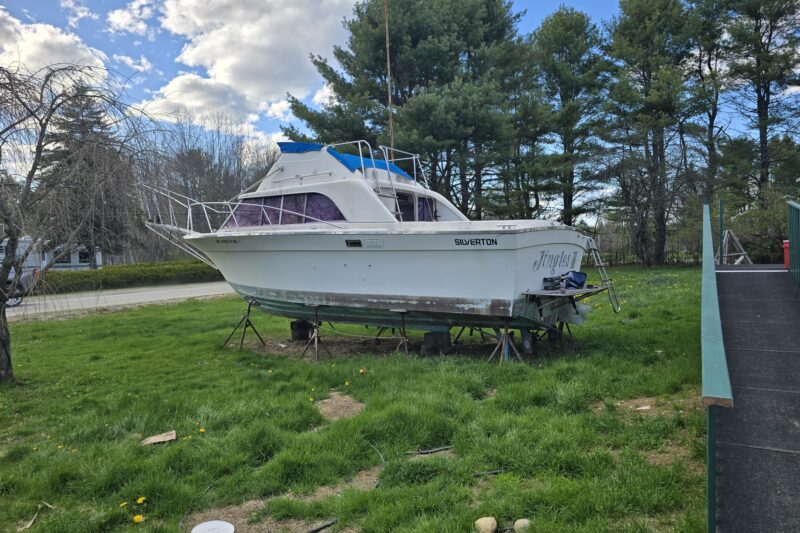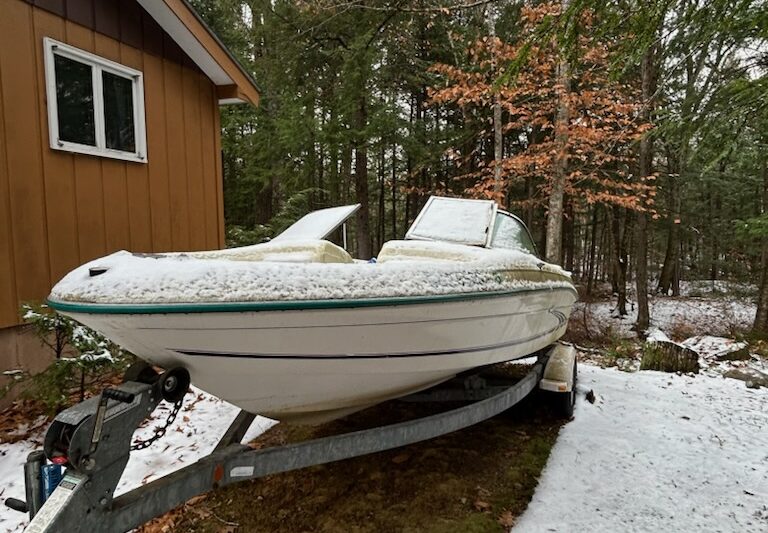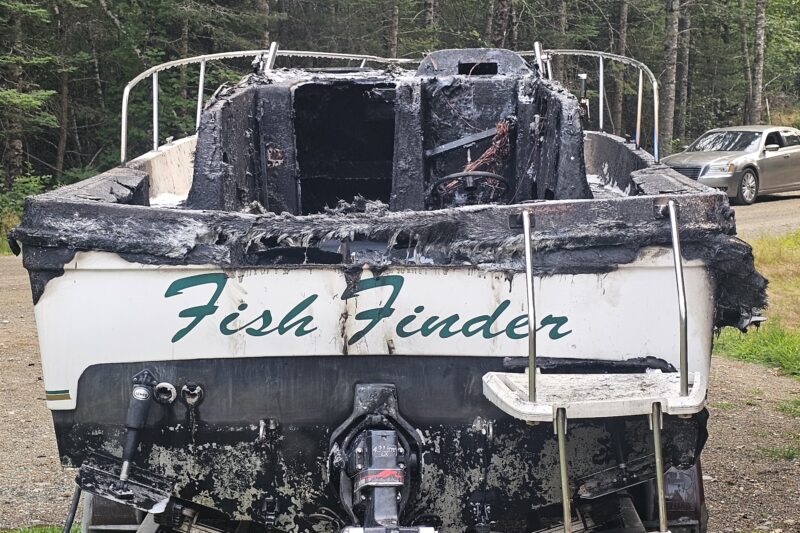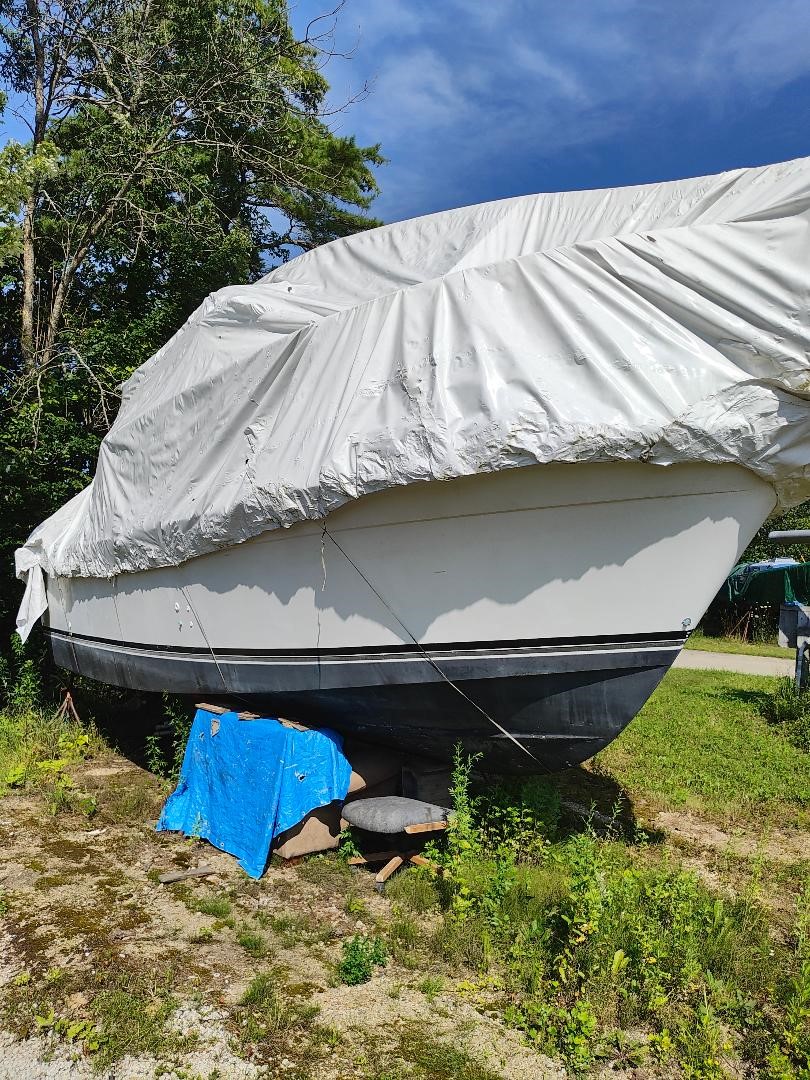
Portland, Maine, is a coastal city where recreational boating, commercial marine activity, and waterfront property are closely connected. From Casco Bay and the Fore River to nearby marinas, boatyards, and residential waterfront communities, vessels are an important part of the region’s working and recreational landscape. But when a boat becomes damaged, stops running, or sits unused for years, owners eventually face the challenge of figuring out how to remove it.
Boat Scrapyards helps owners explore options for unwanted boats, including boat removal, junk boat hauling, boat scrapping, and marine salvage. Whether you have an aging fishing boat, a deteriorating fiberglass cruiser, a damaged sailboat, or a pontoon that has been taking up space on your property, finding an appropriate removal arrangement can help resolve the problem.
Maine’s coastal weather can be demanding on boats. Saltwater exposure, moisture, freezing temperatures, seasonal storms, and extended periods of outdoor storage can contribute to corrosion and structural deterioration. Even vessels that were once dependable may eventually require more repairs than their owners are willing or able to undertake.
When maintaining an unwanted boat no longer makes sense, Boat Scrapyards provides a starting point for discussing its condition, location, transportation requirements, and potential salvage options.
Portland, Maine Boat Removal for Aging and Unwanted Vessels
An unwanted boat can become a significant storage and property-management issue. A vessel that is no longer being used may occupy a driveway, private yard, marina space, boatyard storage area, or commercial property. Over time, deteriorating materials and exposed equipment can make the situation increasingly difficult to manage.
In Portland, boats may be stored on trailers, in boatyards, beside residential properties, or at waterfront facilities. Some owners have vessels that have not been launched in several seasons. Others have inherited boats, purchased properties with unwanted watercraft, or abandoned restoration projects after discovering the cost of repairs.
Boat removal may be worth considering when:
- The engine has failed and replacement costs are excessive.
- The hull has developed cracks, leaks, or serious structural damage.
- Saltwater corrosion has affected important components.
- A boat has deteriorated after years of outdoor storage.
- The owner no longer has the time or interest to maintain it.
- A vessel is occupying valuable marina or private storage space.
- A property needs to be cleared for sale, renovation, or redevelopment.
- A damaged boat is no longer practical to transport or operate normally.
The removal requirements depend on the boat itself. A small aluminum fishing boat on a working trailer presents different challenges from a large sailboat with a deteriorated hull or a heavy cruiser stored in a restricted boatyard.
Boat Scrapyards helps owners begin evaluating their options by gathering basic vessel information and identifying the work involved in moving it.
Marine Salvage and Boat Scrapping Along the Maine Coast
Coastal boats often contain a combination of materials that require different handling methods. Fiberglass hulls, aluminum structures, steel hardware, engines, wiring, batteries, wood, foam, and upholstery may all be present within a single vessel.
Marine salvage involves evaluating whether certain components or materials can be recovered. Depending on the boat’s construction and condition, some metal parts, engines, hardware, and other components may have salvage potential. Other materials may require specialized dismantling or disposal arrangements.
Boat scrapping is not necessarily a simple process of towing a vessel to a scrap facility. A boat may need to be separated into manageable sections, stripped of certain components, or prepared for transportation before further processing can take place.
For Portland-area boat owners, saltwater exposure can complicate this work. Corrosion may affect fasteners, fittings, trailer components, electrical systems, and mechanical equipment. Water intrusion can also contribute to deterioration inside compartments and beneath flooring.
The amount of recoverable material varies considerably. A boat with substantial aluminum components may present different salvage possibilities from an older fiberglass vessel with extensive structural damage. Transportation distance, labor, equipment, and processing requirements all influence the overall arrangement.
Boat Scrapyards helps owners explore boat scrapping and marine salvage options based on the actual condition of the vessel rather than assuming every unwanted boat has the same value or removal requirements.
What Types of Boats Can Be Considered for Removal in Portland?
Maine’s boating environment includes everything from small fishing vessels to larger recreational cruisers and sailboats. Each type can develop different problems as it ages, and the equipment required for removal can vary significantly.
Boat Scrapyards can help owners explore removal options for a variety of vessels, depending on their size, location, condition, and accessibility.
Common boat types include:
- Fiberglass fishing boats: Older vessels with damaged hulls, deteriorated transoms, failed engines, or extensive weather exposure.
- Aluminum fishing boats: Boats with corrosion, bent hull sections, damaged ribs, or missing components.
- Center console boats: Recreational fishing vessels with mechanical problems, damaged decks, or outdated equipment.
- Pontoon boats: Vessels with deteriorated decking, damaged pontoons, or compromised structural components.
- Sailboats: Older sailboats with damaged rigging, deteriorated hulls, or expensive maintenance requirements.
- Cabin cruisers: Boats with water intrusion, engine failures, interior damage, or neglected mechanical systems.
- Commercial and workboats: Certain smaller vessels that are no longer needed or practical to maintain.
- Personal watercraft: Eligible smaller recreational vessels, depending on condition and transportation requirements.
- Project boats: Unfinished restoration projects that have remained stored for extended periods.
- Storm-damaged boats: Vessels affected by flooding, collisions, fallen objects, or severe weather.
Some boats may be suitable for straightforward hauling, while others require additional preparation or specialized equipment. Large sailboats, heavy cruisers, and vessels stored in restricted waterfront locations may need more detailed planning.
When requesting removal, provide the approximate length, construction material, current condition, and location. Photographs of the hull, engine area, trailer, and surrounding access points can help clarify what is involved.
Removing Boats From Casco Bay, the Fore River, and Nearby Waterfront Properties
Portland’s relationship with the water creates unique considerations for boat removal. Casco Bay supports recreational boating, fishing, island transportation, and commercial marine activity. The Fore River and surrounding waterfront areas also contain a mixture of marine facilities, industrial properties, and residential locations.
Boats stored near these waterways may experience repeated exposure to moisture, salt, wind, and seasonal temperature changes. Even when a vessel is removed from the water for winter storage, outdoor exposure can contribute to deterioration.
A boat that has been sitting at a marina may have different removal requirements from one stored on a residential trailer. Waterfront facilities may have specific rules for scheduling, access, insurance documentation, and equipment use. Owners should confirm those requirements before arranging transportation.
It is also important to distinguish between removing a boat from a property and recovering a vessel directly from the water. A boat that is afloat, grounded, partially submerged, or resting at a dock may require specialized marine recovery arrangements rather than ordinary land-based hauling.
If a vessel needs to be moved by water before being hauled away, explain its location and condition when requesting an assessment. The availability of suitable equipment and the feasibility of moving the boat will depend on the specific circumstances.
Boat Scrapyards helps owners identify the information needed to explore removal and salvage options for vessels throughout the Portland coastal region.
Junk Boat Hauling for Boats Stored on Trailers, Stands, and Private Lots
Transportation is one of the most important parts of removing an unwanted boat. A vessel may be structurally deteriorated but still relatively easy to access, or it may be in decent condition while presenting significant hauling challenges.
A functioning trailer can make transportation easier, but not every old boat trailer is roadworthy. Rusted frames, seized bearings, damaged axles, flat tires, and missing lights can prevent a trailer from being safely moved.
Boats stored on blocks, stands, or uneven ground may require additional loading equipment. Narrow access roads, low branches, fences, retaining walls, and limited maneuvering room can also affect the removal plan.
Before arranging junk boat hauling, consider these details:
- Is the boat currently sitting on a trailer?
- Are the trailer tires, wheels, and axles usable?
- Can a tow vehicle or hauling truck reach the vessel?
- Are there overhead branches, wires, or other obstructions?
- Is the property level, paved, gravel-covered, or uneven?
- Does the boat contain loose equipment or materials that need attention?
- Is the vessel located inside a marina or storage facility with access restrictions?
Portland’s older neighborhoods and established waterfront properties can have limited driveway space and tight access points. Providing photographs of the boat and its surroundings can help identify potential complications before a pickup is scheduled.
A clear description of the property and vessel helps establish what kind of hauling arrangement may be appropriate.
Boat Removal Coverage Around Portland and Greater Cumberland County
Unwanted boats are not limited to Portland itself. Owners throughout southern Maine may have aging vessels stored at private residences, marinas, boatyards, commercial properties, and seasonal recreational locations.
Boat removal inquiries may come from Portland and nearby communities, including:
- South Portland
- Westbrook
- Falmouth
- Cape Elizabeth
- Scarborough
- Gorham
- Yarmouth
- Freeport
- Cumberland
- Windham
- Brunswick
- Biddeford
- Saco
- Old Orchard Beach
Availability can vary according to distance, vessel size, condition, access, and the equipment required. A small boat in an accessible driveway may be a very different job from a large vessel stored in a restricted waterfront location.
If your boat is outside Portland, include the town or property’s location when contacting Boat Scrapyards. Explain whether it is stored on land, at a marina, or near the water. These details help determine what transportation and coordination may be required.
For properties with multiple unwanted vessels, provide information about each boat separately. Dimensions, construction materials, and access conditions can differ even when several boats are stored in the same location.
Getting an Old Boat Ready for Hauling and Scrapping
Preparing an unwanted boat for removal starts with providing accurate information and identifying anything that could affect handling. Owners do not necessarily need to dismantle a vessel before requesting assistance, but some basic preparation can make the process easier.
Begin by taking photographs from several angles. Include the full exterior, hull, interior, engine compartment, trailer, and access route. If there is visible corrosion, water damage, structural deterioration, or missing equipment, document those areas as well.
Gather available ownership records. Depending on the vessel, title and registration documents may be relevant. Owners should verify applicable Maine requirements before transferring or disposing of a titled or registered boat. If the vessel was inherited or acquired with a property purchase, explain that situation before removal arrangements are finalized.
Remove personal belongings and equipment that you want to keep. Fishing gear, electronics, tools, life jackets, registration paperwork, and other personal property should be collected before the boat leaves.
Fuel, batteries, oils, and other potentially hazardous materials should be handled appropriately. Do not pour fuel or oil onto the ground, into storm drains, or into waterways. If the boat has leaking fluids, damaged fuel tanks, or compromised batteries, disclose those conditions before pickup.
Finally, confirm property access and any marina or boatyard permissions. If the boat is stored at a commercial facility, make sure the facility knows about the planned removal and that any required arrangements have been completed.
How Boat Scrapyards Helps Coordinate Unwanted Boat Removal
Every removal request is different, but a clear sequence helps owners understand how the process can move forward.
1. Submit basic vessel information. Describe the boat type, approximate length, construction material, location, and overall condition. Explain whether it runs and whether a trailer is included.
2. Share photographs. Pictures of the hull, interior, engine area, trailer, and access route help clarify the vessel’s condition and transportation requirements.
3. Review the removal details. The vessel’s size, condition, location, access, and hauling requirements help determine what arrangements may be suitable.
4. Confirm the terms. Discuss the agreed scope of work, applicable charges, transportation responsibilities, and any preparation needed before pickup.
5. Coordinate access and scheduling. Confirm the pickup location, property permissions, and any marina or boatyard restrictions.
6. Complete the agreed hauling or removal. The vessel is handled according to the confirmed arrangement. Further dismantling or scrapping depends on its condition and the processing plan.
7. Keep relevant records. Retain transaction documents and follow applicable requirements for ownership and registration updates.
Boat Scrapyards helps boat owners take a more organized approach to unwanted vessel removal. Sharing complete details at the beginning can help reduce uncertainty and make it easier to identify the next steps.
Common Questions About Portland, Maine Boat Scrapping
Can you remove a boat that has been sitting outside for years?
A vessel that has been stored outdoors for an extended period may still be considered. Its condition, structural stability, size, location, and accessibility will influence the removal requirements.
Are saltwater-damaged boats eligible for removal?
Saltwater exposure does not automatically prevent removal. However, corrosion can affect hull components, engines, hardware, and trailers. Describe the visible damage and provide photographs when requesting an assessment.
Can I get rid of an old sailboat in Portland?
Certain sailboats may be considered for removal depending on their dimensions, location, condition, and access. Larger vessels may require specialized equipment and additional transportation planning.
What if my boat is still at a marina?
Boat removal from a marina may require advance coordination with the facility. Confirm access rules, pickup procedures, scheduling restrictions, and any required authorization before arranging the work.
Do you remove boats that are not on trailers?
A boat without a trailer may still be considered. Its current support, ground clearance, size, and access conditions will determine what loading arrangements may be necessary.
Can you haul away a damaged pontoon boat?
Pontoon boats may qualify depending on their condition and accessibility. Include information about the pontoons, decking, frame, and trailer so the removal requirements can be evaluated.
Is marine salvage available for every unwanted boat?
No. Salvage potential depends on the materials, components, condition, labor, transportation, and processing costs. Some boats contain recoverable parts, while others require more extensive dismantling and disposal.
What should I do before my boat is picked up?
Remove personal belongings, gather available ownership documents, disclose fuel or battery concerns, and make sure the pickup area is accessible. Follow any additional preparation instructions associated with the confirmed removal arrangement.
Explore Boat Removal Options in Portland, Maine
An unwanted boat can become a costly storage problem, particularly when coastal weather and years of exposure contribute to deterioration. Whether you have a damaged fishing boat, an older sailboat, a neglected cruiser, or a pontoon that is no longer being used, exploring boat removal can help you determine a practical next step.
Boat Scrapyards helps owners investigate boat hauling, boat scrapping, and marine salvage options based on the vessel’s condition and location. From residential properties to waterfront storage areas, the details of each boat matter when determining the appropriate removal approach.
If you have an unwanted vessel in Portland or the surrounding southern Maine region, start by gathering its approximate dimensions, location, condition, and a few clear photographs. This information can help establish what type of removal arrangement may be appropriate.