Boats belong on the water, but when a vessel reaches the end of its useful life, getting it off the property can become a completely different kind of project.
Around Jekyll Island and the surrounding Golden Isles, boats are exposed to salt air, humidity, sun, rain, changing tides, and coastal weather. Fishing boats, center consoles, skiffs, sailboats, cruisers, pontoons, and other vessels can remain useful for years when maintained properly. Once repairs are neglected or a boat stops being used, however, deterioration can turn an enjoyable asset into an expensive object that simply takes up space.
Boat Scrapyards helps Jekyll Island-area owners address unwanted vessels through boat removal, hauling, marine salvage, dismantling, scrapping, and disposal. Whether a boat has been sitting on a trailer, deteriorating at a waterfront property, or waiting for a restoration that never happened, getting it removed can eliminate a long-standing problem.
Jekyll Island’s location also makes local boat removal different from simply hauling away ordinary junk. Access, vessel size, trailer condition, waterfront surroundings, and the materials contained within the boat can all affect the project.
If you have an unwanted vessel taking up space, the first step is determining what type of removal solution fits the boat and its location.
Jekyll Island Boat Removal FAQs
Can you remove a boat that no longer runs?
Yes. Non-running boats are common removal candidates. A failed engine does not mean the vessel has to remain where it is. The boat’s size, location, condition, and accessibility help determine the removal requirements.
What happens if the boat is on an old trailer?
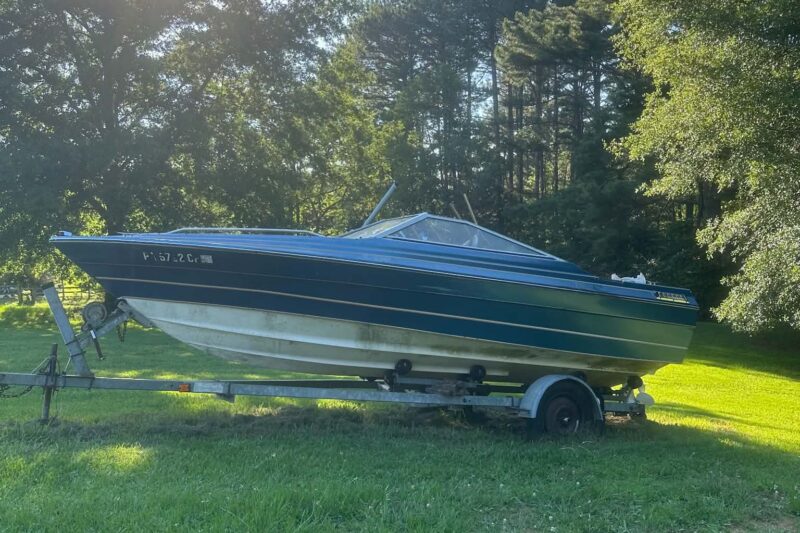
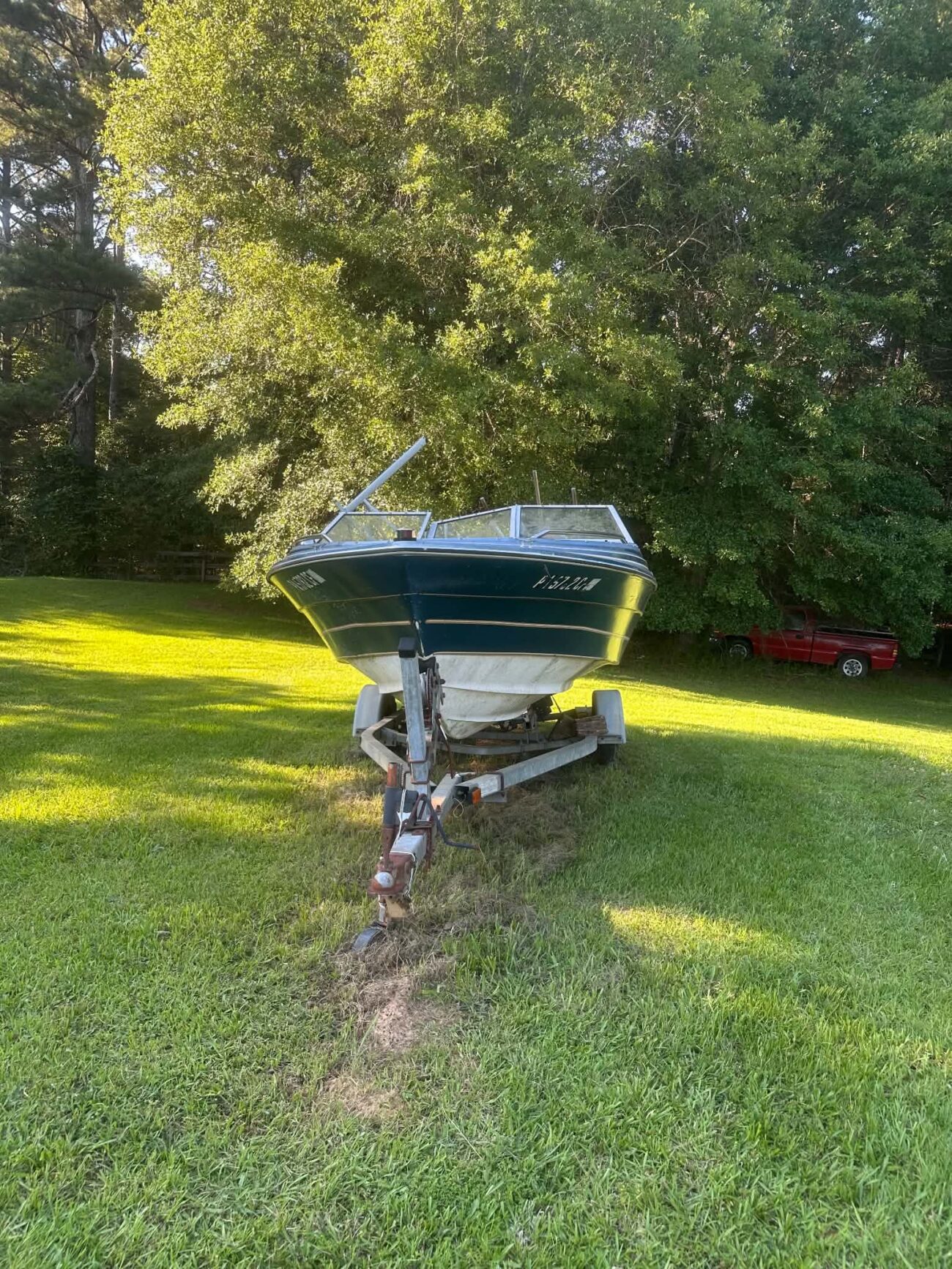
The trailer can be evaluated along with the vessel. Tires, bearings, axles, brakes, wiring, and frame condition can all affect whether conventional towing is practical.
Do you remove fiberglass boats?
Fiberglass vessels can be considered for removal and disposal. Because fiberglass boats often contain several different materials and components, they may require a different dismantling approach from an aluminum or steel boat.
Can an unwanted boat be removed from private property?
Yes. A boat stored at a residence, private lot, storage area, or other accessible property can be evaluated for removal.
What types of boats can be removed?
Depending on the individual project, Boat Scrapyards can address fishing boats, center consoles, skiffs, sailboats, cruisers, pontoons, fiberglass vessels, aluminum boats, and other unwanted marine craft.
Is boat scrapping the same as boat repair?
No. Boat scrapping and marine salvage are focused on dismantling vessels and recovering useful equipment and materials when keeping the boat operational is no longer practical.
What happens after the boat is hauled away?
The vessel can be evaluated based on its condition and construction. Salvageable equipment, metal components, trailer parts, and other materials may be handled separately.
When an Old Boat Becomes a Property Problem
A neglected boat rarely starts out as a disposal problem.
It usually begins with a simple decision to store it.
An owner might think, “I’ll fix it next year.”
Then the boat sits through another season.
The engine is still not repaired.
The trailer remains stationary.
The cover deteriorates.
The interior begins showing additional signs of age.
Eventually, the boat has become something the owner is storing rather than something the owner is using.
That distinction is important.
If a vessel is no longer providing value, continuing to keep it can become an ongoing burden.
A boat can occupy driveway space, consume storage capacity, complicate a property cleanup, and become increasingly difficult to move.
Removing it can turn that unused space back into something useful.
Why Jekyll Island Boats Face Coastal Wear
Jekyll Island is surrounded by a marine environment that puts vessels through constant exposure.
Salt air and moisture can affect metal components.
Sunlight can deteriorate covers, upholstery, and finishes.
Rain can contribute to water intrusion when a vessel is not properly protected.
Wind and severe weather can cause additional damage.
Boats that spend years without regular maintenance can eventually develop problems throughout multiple systems.
The engine may no longer run.
Electrical equipment may deteriorate.
Fuel systems may require replacement.
The deck or interior may develop damage.
A trailer can become unsafe.
At that point, the owner may be looking at a complete restoration rather than a simple repair.
For some boats, that restoration makes sense.
For others, removing the vessel is the practical answer.
What Kind of Boats Can Become Removal Projects?
The end of a boat’s useful life can look very different depending on the vessel.
Center Console Boats
Center consoles are popular for fishing and coastal recreation. Older models can eventually develop problems involving engines, electronics, fuel systems, decks, and trailers.
Fishing Boats
Fishing vessels experience demanding use and frequent exposure to water. When mechanical systems or structural components become too expensive to maintain, removal may be preferable to continued investment.
Sailboats
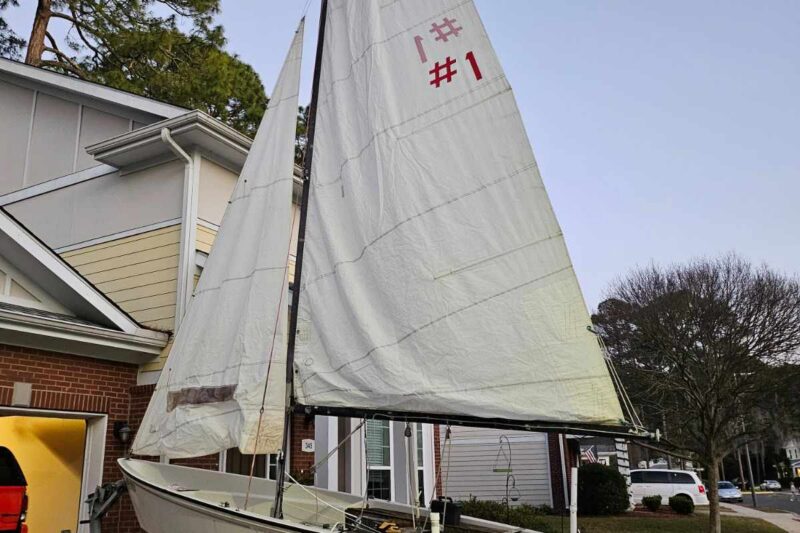
Older sailboats can become substantial projects when the rigging, sails, mast, deck, engine, or interior requires attention. Their size can also make transportation more challenging.
Cruisers
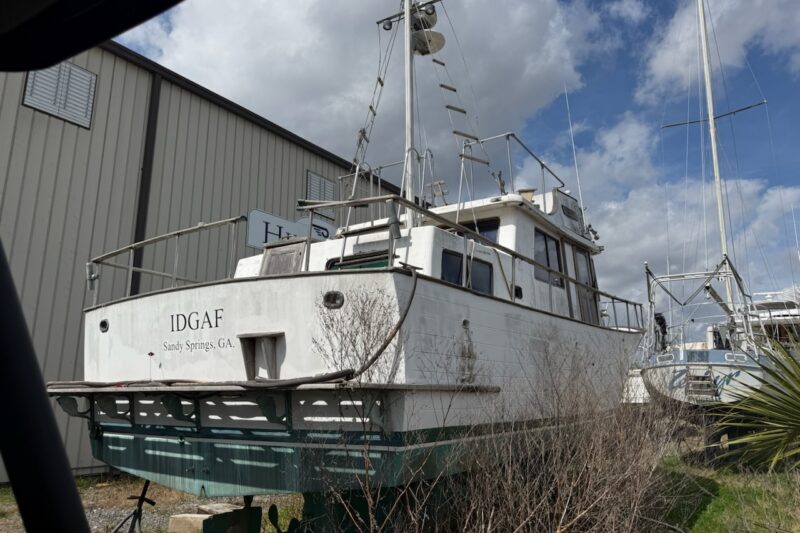
Cruisers often contain multiple systems and interior components. Engine problems combined with electrical, plumbing, and structural deterioration can turn an older cruiser into a major restoration.
Pontoon Boats
Pontoons can experience deterioration involving decking, furniture, fencing, flotation systems, and propulsion equipment. A neglected pontoon may eventually cost more to restore than the owner wants to spend.
Aluminum Boats
Aluminum fishing and recreational boats can contain substantial metal components along with engines, hardware, wiring, and trailer equipment.
Fiberglass Boats
Fiberglass boats are common throughout coastal Georgia, but an unwanted fiberglass hull requires more consideration than simply taking a metal vessel to a conventional scrap facility.
How Boat Scrapping Works
An unwanted boat should not necessarily be viewed as one giant disposal item.
It is often a combination of individual materials and components.
A vessel might contain:
- Aluminum
- Stainless steel
- Copper wiring
- Engines
- Transmissions
- Propellers
- Marine electronics
- Batteries
- Hardware
- Trailer components
- Plumbing equipment
- Fuel-system components
The condition of each item can be different.
An engine might be beyond economical repair while the boat still contains valuable metal.
A trailer may be deteriorated while its metal components remain useful.
A fiberglass hull may be damaged while the boat’s hardware and equipment can still be separated.
Marine salvage and dismantling allow those different components to be considered individually.
The objective is not simply to drag an entire boat away and treat everything as the same material.
The vessel can be assessed according to what remains.
Getting Rid of a Boat Trailer That Has Been Sitting for Years
The trailer can sometimes be the most overlooked part of an old boat problem.
A vessel may have been parked on the same trailer for years.
During that time, the tires may have deteriorated.
Bearings can seize from lack of use.
Brake components can fail.
Wiring can corrode.
Metal frames can develop rust or other deterioration.
That means a trailer that looks intact may not actually be suitable for highway towing.
Owners should be careful about assuming that an old trailer can simply be connected to a truck.
If the boat itself is already headed toward disposal, spending substantial money to make an obsolete trailer roadworthy may not make sense.
Treating the boat and trailer as one removal project can be a more practical approach.
Boat Removal From Residential Properties
An unwanted vessel does not have to be sitting at a marina to create a problem.
Homeowners often store boats on:
- Driveways
- Side yards
- Rear lots
- Private storage areas
- Workshops
- Commercial properties
A boat can occupy a surprising amount of usable space.
That can become especially frustrating when a homeowner wants to park another vehicle, remodel the property, improve the yard, or prepare the home for sale.
The longer the boat remains, the more likely it is that the trailer and vessel will deteriorate further.
Professional boat removal provides an option for owners who have already decided they are finished with the vessel.
Jekyll Island and the Golden Isles Service Area
Jekyll Island is part of a broader coastal community where marine activity extends beyond the island itself.
Boat owners may also be connected to nearby Brunswick, St. Simons Island, Sea Island, and other Golden Isles communities.
The surrounding waterways create numerous opportunities for boating, fishing, sailing, and recreational use.
They also create numerous locations where an unwanted boat may eventually need to be removed.
For that reason, a Jekyll Island boat removal page should not focus solely on one driveway or one type of vessel.
The local market includes residential boats, recreational craft, fishing vessels, older trailers, waterfront storage, and marine equipment throughout the surrounding area.
Boat Scrapyards can help owners address unwanted vessels based on their individual circumstances.
Removing a Boat Near the Water Requires Planning
A vessel stored close to the water may be more difficult to access than one parked in an open driveway.
Waterfront properties can have docks, narrow access points, pilings, fences, neighboring vessels, buildings, landscaping, and other obstacles.
The boat may also be incapable of moving under its own power.
Before arranging removal, useful information includes the approximate length and type of boat, its condition, whether it runs, whether it is sitting on a trailer, and how the vessel can be accessed.
Photos can also help communicate the circumstances surrounding the boat.
Good information at the beginning of the process can help identify potential complications before removal day.
What If the Boat Was Damaged by Weather?
Coastal weather can change the condition of an older vessel quickly.
A boat that was already neglected may suffer additional damage from wind, heavy rain, or severe weather.
Damage can involve the:
- Hull
- Deck
- Windshield
- Engine
- Electronics
- Interior
- Trailer
- Electrical system
Once several areas are affected, the cost of restoration can become substantial.
Some owners will decide to rebuild.
Others may determine that the vessel has reached the end of its practical life.
Marine salvage and boat removal can provide an alternative to keeping a damaged vessel indefinitely.
Fiberglass Boat Disposal on the Georgia Coast
Fiberglass boats create a particular disposal challenge.
Unlike an aluminum boat, a fiberglass hull is not simply a large quantity of metal.
The vessel may combine composite material with wood, foam, wiring, plumbing, upholstery, hardware, engines, batteries, and other components.
That means the disposal process involves more than simply finding somewhere to drop off the hull.
For owners who have a large fiberglass boat sitting on their property, dismantling it personally can become a significant undertaking.
The boat has to be moved.
The hull has to be dealt with.
The interior has to be addressed.
Equipment and materials have to be separated.
Professional removal can simplify the situation by treating the vessel as one marine disposal project.
How the Boat Removal Process Works
The process starts with basic information about the vessel.
1. Describe the Boat
Provide the boat type, approximate size, general condition, and whether the vessel is operational.
2. Explain Where It Is
The location matters because access can vary considerably between a driveway, storage yard, waterfront property, and marina environment.
3. Discuss the Trailer
If the boat is on a trailer, information about the trailer’s condition can help determine whether conventional towing is realistic.
4. Determine the Removal Requirements
The vessel and surrounding property can be considered together to determine what is involved in getting the boat out.
5. Haul the Vessel Away
Once the removal is arranged, the unwanted boat can be taken away so the owner can reclaim the space.
This approach keeps the process focused on solving the actual problem rather than forcing the owner to figure out each individual step alone.
Why Boat Scrapyards for Jekyll Island Boat Disposal?
An old boat is not ordinary household junk.
It may be oversized, heavy, non-running, trailer-bound, or located somewhere with limited access.
It can also contain numerous different materials.
Boat Scrapyards focuses specifically on boat removal and marine disposal projects.
That means the vessel can be looked at from several perspectives: transportation, salvage, dismantling, scrapping, and disposal.
For an owner who has been stuck with an unwanted boat for months or years, that specialized approach can make it easier to finally resolve the situation.
The goal is simple.
Get the boat out.
Clear the property.
Deal with the vessel responsibly.
Move forward.
Reclaim the Space Your Old Boat Has Been Taking
You may have bought the boat years ago with every intention of using it.
You may have planned to restore it.
You may have inherited it.
You may have simply stopped needing it.
Whatever happened, you do not have to continue storing an unwanted vessel indefinitely.
Boat Scrapyards helps Jekyll Island-area owners remove old, damaged, non-running, neglected, and unwanted boats through hauling, marine salvage, dismantling, scrapping, and disposal.
From fiberglass fishing boats and aluminum skiffs to sailboats, cruisers, pontoons, and boats sitting on deteriorated trailers, each vessel presents its own removal requirements.
The sooner the unwanted boat is addressed, the sooner the property can be used for something else.
If that old vessel has become more of a burden than an asset, it may be time to have it removed.