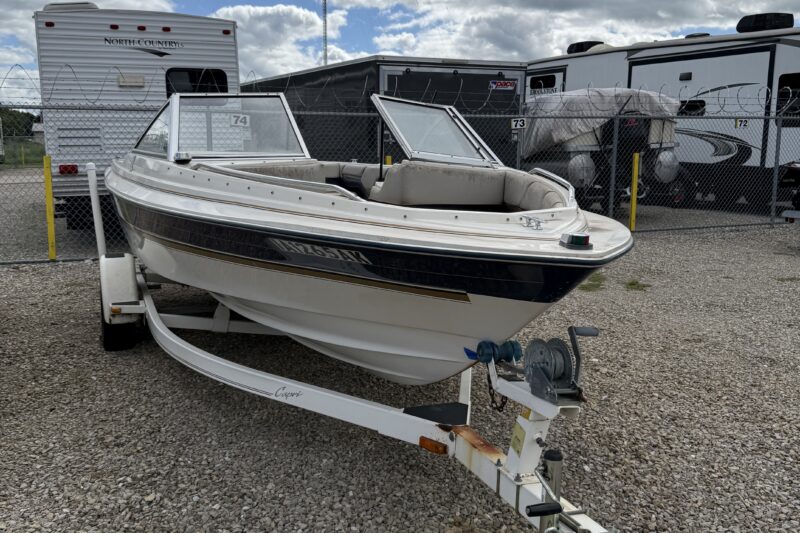
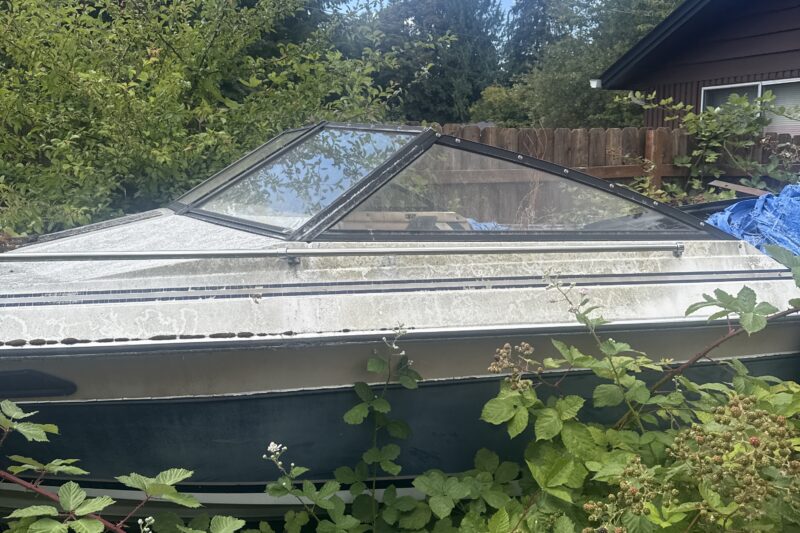
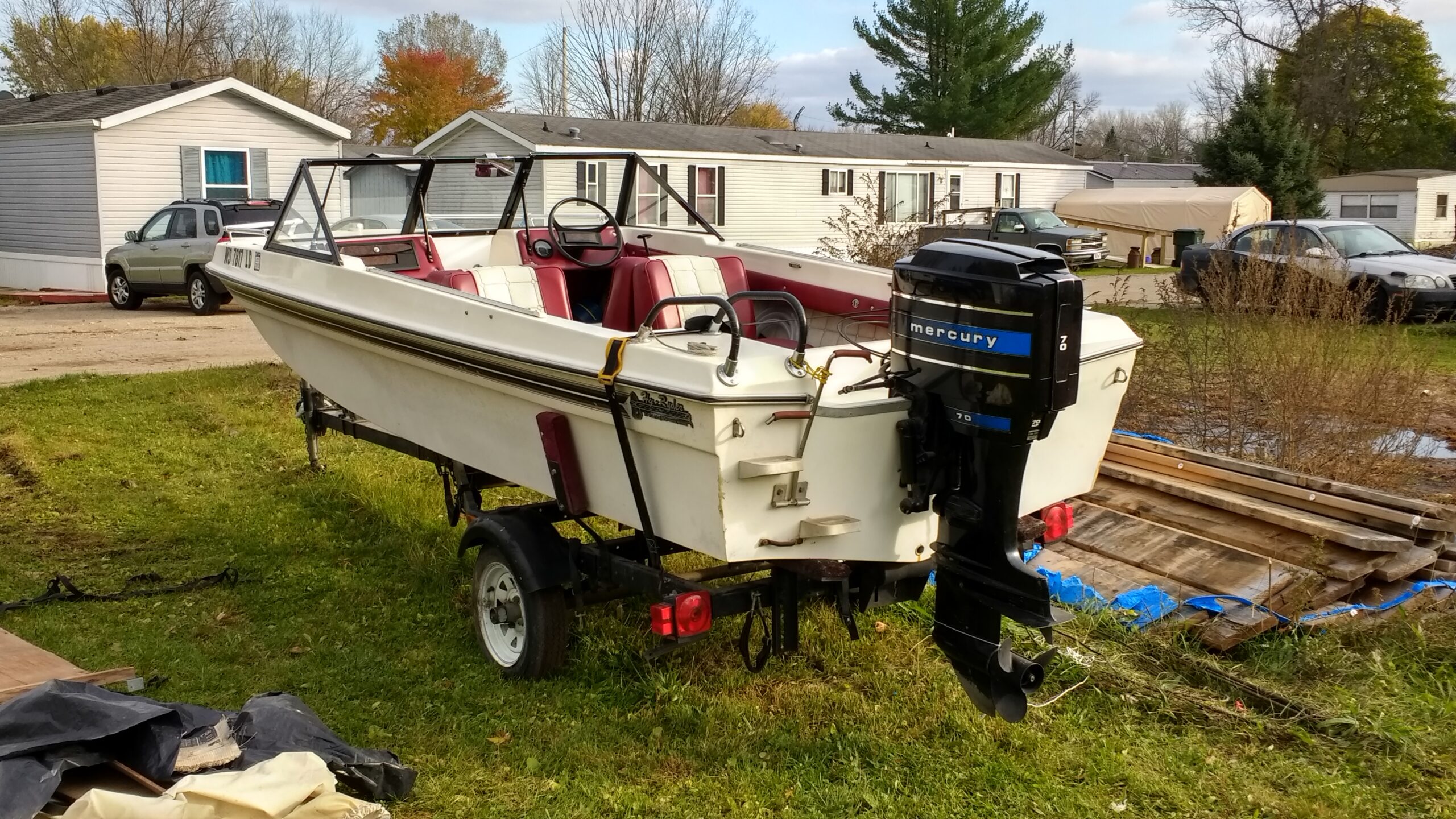
A boat can be one of the most enjoyable things to own until it becomes something you no longer have a use for.
Maybe the engine has finally given up. Maybe the hull has been sitting uncovered through too many Pacific Northwest seasons. Maybe the trailer is no longer roadworthy. Or perhaps the boat simply has not left the driveway, storage yard, or marina in years.
Whatever the reason, an unwanted boat can be extremely difficult to dispose of.
For boat owners in Des Moines, Washington, that problem can be especially frustrating. Located along Puget Sound between Seattle and Tacoma, Des Moines has a strong connection to the water, with waterfront properties, boating activity, fishing, marinas, and recreational vessels throughout the surrounding area.
When an aging boat reaches the point where restoration is no longer practical, professional boat removal and marine scrapping can provide a much easier solution.
Boat Scrapyards helps owners deal with unwanted, damaged, deteriorated, and non-running vessels. Instead of continuing to pay for storage or allowing an old boat to deteriorate on your property, you can begin the process of having the vessel removed and handled as a boat scrapping project.
Des Moines WA Boat Removal FAQs
Can you remove a boat that does not run?
A boat does not have to be operational to be considered for removal. Non-running boats are common candidates for hauling and disposal. The vessel’s size, condition, location, and accessibility determine what type of removal approach is appropriate.
Do you remove boats from residential properties?
Boat removal may be possible from driveways, yards, side lots, storage areas, and other private properties when the owner or authorized party has permission for the vessel to be removed.
Can an old boat be removed if the trailer is damaged?
Yes, although a damaged trailer can make the project more complicated. Flat tires, seized wheels, rust, damaged axles, or a deteriorated frame can prevent a boat from being conventionally towed. The condition of the trailer should be included when arranging removal.
What types of boats can be scrapped?
Boat Scrapyards can receive inquiries involving fiberglass boats, aluminum boats, fishing boats, sailboats, cruisers, runabouts, pontoons, work boats, and other unwanted watercraft.
Can you remove a boat from a marina or storage facility?
Boat removal may be possible from appropriate marine and storage locations when the necessary ownership and authorization requirements have been addressed.
Should I repair my old boat before getting rid of it?
If you have already decided that the boat is not worth keeping, extensive repairs may not make financial sense. The vessel can be evaluated in its current condition to determine the removal requirements.
Des Moines Is a Waterfront Community With a Boat Disposal Problem
Being close to the water is a major advantage of living in Des Moines.
Puget Sound provides opportunities for fishing, boating, sailing, cruising, and other recreational activities. The waterfront is an important part of the community’s identity.
But every boating community eventually has to deal with boats that have reached the end of their useful lives.
Not every vessel stays in the water.
Some spend most of their time on trailers. Others are stored at private residences or yards. Some sit at marinas while owners decide what to do with them.
Eventually, an aging vessel can become more difficult to maintain than it is worth.
The challenge is that a boat is not ordinary household junk.
You cannot simply put it out with the garbage.
You cannot expect a standard junk truck to haul it away.
And if the trailer is unusable, even towing it to another location may not be possible.
That is where specialized boat removal becomes useful.
Why Boats Around Des Moines Eventually Become Scrap
Boats are exposed to some demanding conditions.
Even when they are not constantly in the water, they deal with rain, moisture, wind, temperature changes, and prolonged outdoor exposure.
Boats kept around Puget Sound can also experience the effects of a marine environment, including corrosion and moisture-related deterioration.
A properly maintained vessel can handle years of use.
An abandoned boat is different.
Once routine maintenance stops, small problems can become major ones.
A leaking cover allows water inside.
A damaged electrical connection gets worse.
Trailer components corrode.
The engine sits unused.
The interior deteriorates.
Eventually, the owner is faced with a vessel that needs far more work than expected.
At that point, boat scrapping can make more sense than restoration.
The Types of Boats We Scrap, Salvage & Dispose Of
Boat Scrapyards can help with inquiries involving many different types of unwanted vessels.
Des Moines-area removal projects may include boats that have spent years on Puget Sound as well as recreational vessels stored inland on trailers.
Potential boat scrapping and removal projects include:
- Fishing boats
- Aluminum fishing boats
- Fiberglass boats
- Sailboats
- Bowriders
- Runabouts
- Center-console boats
- Cabin cruisers
- Pontoon boats
- Small yachts
- Utility boats
- Work boats
- Older recreational vessels
- Damaged boats
- Non-running boats
- Boats with deteriorated trailers
The boat’s condition is often more important than its age.
An older vessel that has been properly maintained may still have considerable life left.
Meanwhile, a much newer boat that suffered major damage or years of neglect may no longer be economically viable.
That is why every boat should be evaluated based on its actual condition.
Fiberglass Boats Can Be Difficult to Dispose Of
Fiberglass is extremely common in recreational boating.
It is durable, versatile, and capable of producing boats that last for decades.
But when a fiberglass boat finally reaches the end of its useful life, the hull can become a significant disposal challenge.
Unlike an aluminum boat, the fiberglass hull is not simply a large quantity of scrap metal.
The vessel may also contain wood, foam, wiring, stainless steel, mechanical components, fuel-system equipment, and other materials.
Trying to dismantle an old fiberglass boat yourself can quickly become a massive project.
There is the physical labor of taking the vessel apart, followed by the challenge of handling the resulting materials.
For a homeowner who simply wants the boat gone, professional boat removal can be considerably more practical.
Aluminum Boats Offer a Different Scrapping Opportunity
Aluminum boats are common throughout the Pacific Northwest.
Fishing boats, utility vessels, and smaller recreational craft are frequently built with aluminum because it is lightweight and durable.
When one of these boats reaches the end of its life, the aluminum hull can become an important part of the marine scrapping process.
There may also be stainless steel, copper wiring, steel hardware, engines, trailers, and other components that need to be separated.
The actual scrap value of an aluminum boat depends on numerous factors, including its weight, condition, construction, equipment, and current market conditions.
An owner should not assume that every aluminum boat has the same value.
Instead, the vessel should be considered as an entire removal and scrapping project.
Puget Sound Weather Doesn’t Help a Neglected Boat
The Pacific Northwest is famous for its wet climate, and neglected boats experience the consequences.
Rain and moisture can find their way into damaged covers, hatches, compartments, and other openings.
Wood can deteriorate.
Metal can corrode.
Electrical systems can develop problems.
Trailer components can become increasingly unreliable.
A boat that is regularly used and maintained is one thing.
A boat that has been sitting untouched for five or ten years is another.
This is why a vessel that was once worth repairing can eventually become a candidate for scrapping.
The longer an owner waits, the more deterioration can occur.
Boat Trailers Can Be the Hidden Problem
Many Des Moines-area recreational boats spend their lives on trailers.
That makes the trailer an important part of any removal project.
A boat may still appear structurally intact while the trailer underneath it has become severely deteriorated.
Tires may be flat.
Bearings may be seized.
Axles may be damaged.
The frame may be rusted or otherwise compromised.
Lights may no longer function.
At some point, the trailer is no longer something that can safely be pulled down the road.
This creates a frustrating situation for owners who are trying to sell or dispose of the boat.
A conventional tow may not be an option.
Professional boat removal can provide an alternative by evaluating the boat and trailer together and determining what is necessary to get the vessel off the property.
Removing Boats From Des Moines Residential Properties
Not every unwanted boat is sitting at a marina.
Many are sitting behind houses.
A boat may have been parked beside a garage when the owner first purchased it. Years later, it is still there.
Other vessels may be sitting along the side of a property, underneath a tarp, or in a backyard where access is limited.
The physical location of the boat matters.
Fences, landscaping, trees, sheds, narrow driveways, parked vehicles, and uneven terrain can all affect how the vessel can be removed.
That is why it is helpful to provide accurate information about the boat and its surroundings before scheduling a removal.
Pictures can also help illustrate the vessel’s condition and access points.
Marina & Storage Boat Removal
Waterfront communities have another recurring issue: boats that occupy valuable storage space long after their owners stop using them.
A boat may be left at a storage facility because the owner intends to repair it.
Then the repair never happens.
The vessel remains.
Storage costs continue.
The boat becomes older and more deteriorated.
Eventually, the facility needs the space back.
For marina operators, property managers, and storage businesses, removing unwanted vessels can be an important part of keeping their facilities organized and productive.
Of course, ownership and authorization should always be properly established before arranging removal.
Once that has been addressed, professional boat hauling can help clear the vessel and return the space to useful service.
When Repairing the Boat Becomes Throwing Good Money Away
Boat owners often have a hard time deciding when to stop repairing an old vessel.
That is understandable.
Boats can have sentimental value.
An owner may remember family trips, fishing weekends, summer outings, or years spent on the water.
But sentimental value does not change the cost of repairs.
Consider an older boat that needs an engine, trailer repairs, electrical work, interior replacement, and hull repairs.
The owner might start with one problem.
Then another appears.
Then another.
Suddenly, what was supposed to be a small repair has become a complete restoration.
At some point, it is worth asking whether the boat is actually worth restoring.
If the answer is no, continuing to invest money into the vessel only delays the inevitable.
Scrapping provides a way to move on.
Marine Scrapping Involves More Than the Hull
A boat contains many individual materials and components.
Depending on the vessel, marine scrapping may involve:
- Aluminum
- Steel
- Stainless steel
- Copper wiring
- Bronze hardware
- Engines
- Outboard motors
- Propellers
- Fuel tanks
- Marine batteries
- Pumps
- Electrical components
- Trailer parts
- Marine electronics
- Railings
- Hardware
Some of these materials may have scrap value.
Others may need to be handled separately.
The exact process depends on the vessel’s construction and condition.
This is why professional marine scrapping is different from simply abandoning a boat or attempting to dispose of the entire vessel as ordinary trash.
What Happens After Your Boat Is Picked Up & Hauled Away?
Once the vessel has been removed, it can be evaluated according to its condition and materials.
Metal components may be separated for scrapping.
Mechanical equipment may be addressed independently.
Trailer components can be handled separately from the hull.
Other materials may require their own disposal process.
The exact sequence varies from boat to boat.
For the owner, however, the most important result is immediate.
The boat is no longer there.
The driveway is clear.
The storage space is available.
The backyard is usable.
The marina position can be cleared.
And the owner no longer has to keep wondering what to do with a vessel that has been sitting around for years.
Boat Scrapping Across Des Moines and South Puget Sound
Des Moines sits in a strategically useful part of the South Puget Sound region, surrounded by communities with their own residential boating, marina, fishing, and recreational needs.
That means unwanted boats are not limited to the waterfront itself.
A vessel can be stored miles from Puget Sound and still become a major disposal problem.
It can be sitting on a residential trailer.
It can be parked behind a business.
It can be occupying space at a storage facility.
It can be deteriorating on private property.
Boat Scrapyards can help owners determine what is involved in removing these unwanted vessels based on the boat’s location, condition, and accessibility.
Don’t Let an Old Boat Become Part of the Property
An unwanted boat has a way of becoming permanent.
It sits there long enough that everyone starts treating it like part of the landscape.
But the boat is still taking up space.
The trailer is still deteriorating.
The vessel is still exposed to the weather.
And the cost of removing it is unlikely to become lower simply because more time passes.
If you already know that you are not going to repair or use the boat again, getting started with removal can be the most practical decision.
Boat Scrapyards gives Des Moines-area owners a way to begin addressing the problem.
Whether you have a neglected fishing boat, an old fiberglass cruiser, an aluminum vessel, a damaged recreational boat, or a non-running boat sitting on a trailer, the first step is simply providing information about what you have.
You do not have to restore the vessel first.
You do not have to make it look good.
And you do not have to spend another year figuring out how to move it yourself.
When a boat has reached the end of its useful life, professional boat removal and marine scrapping can help clear the property and put the unwanted vessel behind you.
For boat owners in Des Moines, Washington, Boat Scrapyards is ready to help turn an old boat into a completed removal project.