San Jose may be known as the heart of Silicon Valley, but the city’s location in the South Bay puts it within reach of a surprisingly active network of lakes, reservoirs, marinas, waterways, and recreational boating destinations.
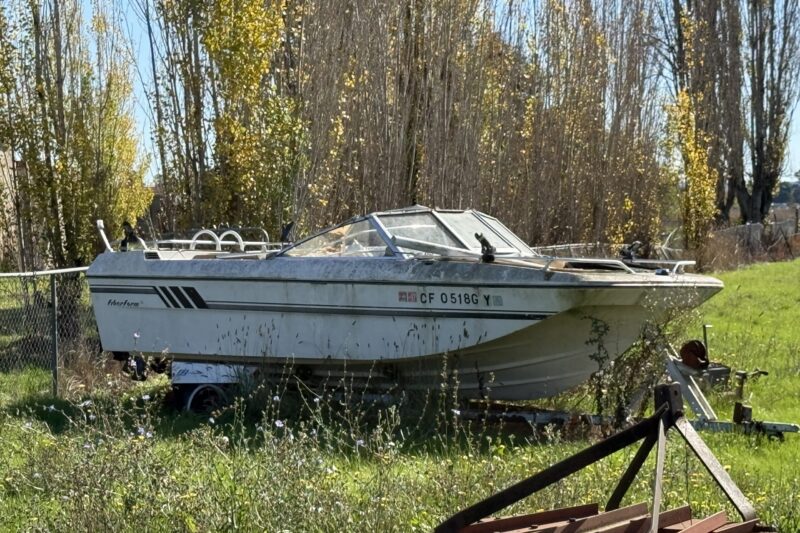
That means boats are stored throughout the region in driveways, side yards, storage facilities, boatyards, and on trailers. And eventually, some of those boats stop being useful.
An old boat can become an expensive problem when the engine fails, the hull deteriorates, the trailer stops functioning, or years of deferred maintenance make restoration unrealistic. Even if the vessel is located miles from the nearest launch ramp, it still has to be physically removed before it can be disposed of.
For San Jose-area boat owners, professional boat removal and marine scrapping can make that process significantly easier.
Boat Scrapyards helps owners dealing with unwanted, damaged, neglected, abandoned, and non-running boats. Whether you have a fiberglass fishing boat sitting behind your home, an aluminum vessel that has not moved in years, or a recreational boat occupying expensive storage space, getting it removed can finally close the book on an old project.
San Jose Boat Removal FAQs
Can you remove a boat that does not run?
Yes. Non-running vessels can be considered for removal. The boat’s size, weight, condition, location, and accessibility help determine the equipment and hauling approach required.
Do you remove fiberglass boats?
Fiberglass boats can be candidates for removal and disposal. Their construction makes them different from aluminum and steel vessels, so the hull and its components need to be considered when planning the project.
Can aluminum boats be scrapped?
Yes. Aluminum boats are common candidates for marine scrapping. Their value and handling requirements depend on the amount of metal, the vessel’s condition, equipment, and transportation requirements.
Do you remove boats from residential properties?
Boat removal may be possible from driveways, side yards, garages, storage areas, and other private properties when the owner or authorized party has permission for the vessel to be removed.
Can you remove a boat from a storage yard?
Potentially. Storage-facility and boatyard removals can be arranged when ownership and authorization have been properly established.
What if the trailer is damaged?
A damaged trailer does not necessarily mean the boat cannot be removed. Flat tires, seized wheels, rust, damaged axles, and structural deterioration may require a different hauling strategy.
Should I repair my old boat before having it removed?
If you have already decided the boat is not worth keeping, extensive repairs may not be worthwhile. The vessel can be evaluated in its current condition to determine what is required for removal.
San Jose’s Boat Disposal Problem Starts Outside the City
One of the interesting things about boat ownership in San Jose is that the boat does not necessarily live where the water is.
Owners throughout the South Bay may keep vessels at home and transport them to nearby lakes and reservoirs when they want to go boating.
That means an old boat can become a residential property problem.
A vessel might be parked beside a garage for years.
It may be sitting behind a fence.
It may occupy half of a driveway.
It may be tucked into the corner of a backyard or stored on a rural property outside the city.
When the boat was originally purchased, that arrangement probably made sense.
Years later, it may simply be taking up space.
Removing it can be surprisingly complicated because boats are large, heavy, awkward, and often attached to trailers that are no longer roadworthy.
Why San Jose-Area Boats Eventually Become Scrap
Boats generally do not become scrap because of one small problem.
More often, several issues accumulate.
The engine becomes unreliable.
The trailer develops problems.
The hull needs attention.
The interior deteriorates.
The electrical system becomes outdated.
The owner stops using the vessel.
Eventually, the cost of fixing everything becomes greater than the value the boat provides.
That is when boat scrapping starts to make sense.
Some owners reach this point after an accident or major damage. Others simply have an older vessel that has been sitting untouched for too many years.
Inherited boats are another common situation.
A family member may leave behind a vessel that nobody else wants or knows how to maintain. The new owner may not have the time, interest, or resources to restore it.
Rather than allowing it to become a permanent fixture, professional boat removal can provide a way to clear the property.
The Types of Boats We Scrap, Salvage & Dispose Of
Boat Scrapyards can receive inquiries involving a wide range of unwanted vessels.
San Jose and the surrounding South Bay can have everything from small fishing boats to larger recreational craft stored on trailers.
Potential boat removal projects include:
- Fishing boats
- Aluminum fishing boats
- Fiberglass boats
- Bass boats
- Runabouts
- Bowriders
- Center-console boats
- Cabin cruisers
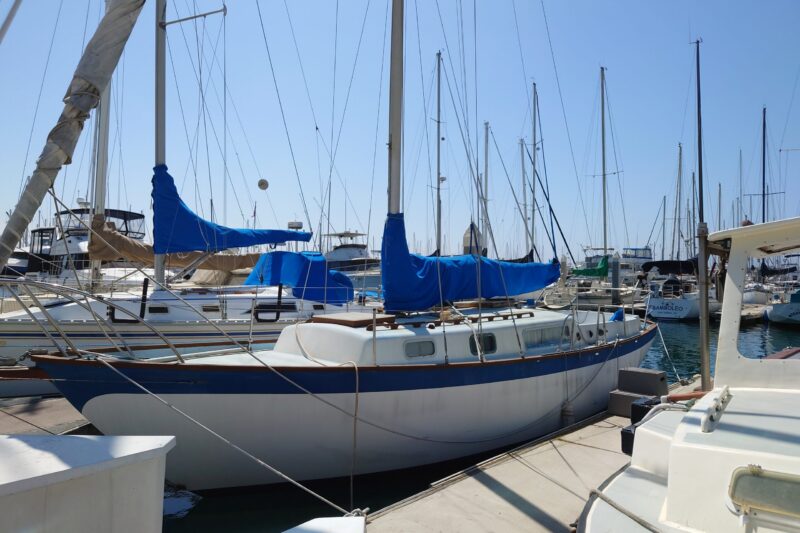
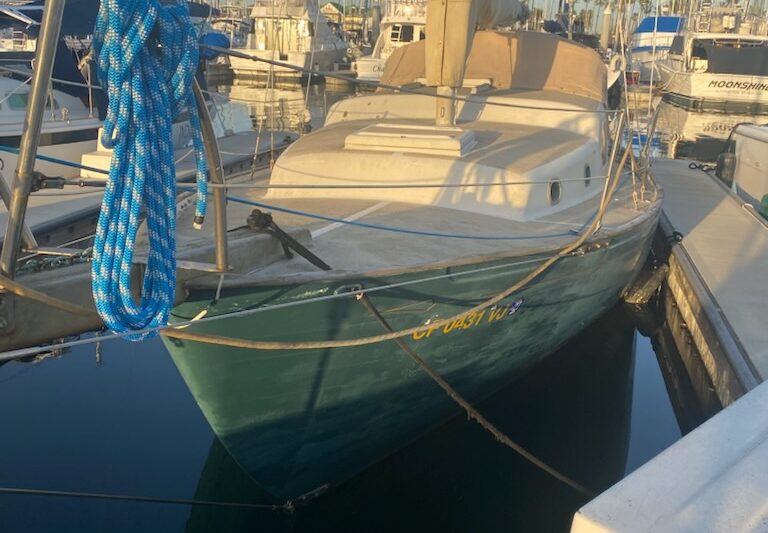
- Sailboats
- Pontoon boats
- Utility boats
- Work boats
- Older recreational vessels
- Damaged boats
- Non-running boats
- Boats with deteriorated trailers
A boat does not have to be enormous to create a removal challenge.
Even a small fishing boat can be difficult to move if the trailer has failed or the vessel is stored in a difficult location.
Larger boats naturally require additional planning, particularly when access is limited.
Fiberglass Boat Disposal in San Jose
Fiberglass is one of the most common construction materials used in recreational boats.
It is strong and durable, but that does not mean a fiberglass vessel will last forever.
When maintenance stops, a fiberglass boat can develop a long list of problems.
The hull may deteriorate.
Wood components can suffer moisture damage.
Hardware can corrode.
Electrical systems can fail.
Engines can become unusable.
The interior can become badly damaged.
Eventually, the owner is left with a large fiberglass structure containing numerous additional materials.
This makes fiberglass boat disposal different from simply scrapping an aluminum hull.
Attempting to dismantle a fiberglass boat personally can become a major project. The owner has to figure out how to remove the equipment, break down the vessel, manage the resulting debris, and transport everything.
For someone who simply wants the boat gone, professional removal can be the much easier route.
Aluminum Boats Have a Different Scrapping Profile
Aluminum boats are popular among fishing and recreational boaters because they are relatively lightweight while remaining durable.
When an aluminum vessel reaches the end of its useful life, the hull can become a significant part of the scrapping process.
There may also be valuable or recyclable metal components throughout the boat, including stainless steel, copper wiring, steel hardware, and other marine components.
The actual scrap value varies.
The boat’s weight, construction, condition, equipment, transportation requirements, and market conditions all affect the final economics.
For that reason, owners should avoid assuming that an old aluminum boat automatically has a particular cash value.
The entire removal project needs to be considered.
Nearby Lakes Can Mean More Boats on Trailers
San Jose’s inland location changes the way many local boat owners use their vessels.
Instead of keeping every boat permanently at a waterfront property, many recreational vessels are transported by trailer.
That makes the trailer an important part of the boat’s life—and eventually an important part of its disposal.
A trailer that is regularly maintained may last for years.
One that sits unused can develop serious problems.
Tires can deteriorate.
Bearings can seize.
Frames can corrode.
Axles can become damaged.
Wheels may no longer turn properly.
When that happens, the owner can no longer simply hitch the boat to a truck and drive away.
The trailer itself becomes part of the removal problem.
Boat Trailer Removal Can Be the Hardest Part
Imagine an old boat sitting in a driveway.
The owner wants it gone.
The hull looks rough but intact.
Then they inspect the trailer.
The tires are flat.
The wheels are seized.
The frame is badly deteriorated.
The owner now has two problems instead of one.
A standard tow is no longer a simple solution.
That is why trailer condition should always be considered when arranging boat removal.
A boat can be perfectly removable while still being impossible to tow conventionally.
Professional removal allows the vessel and trailer to be considered together so that the hauling requirements can be determined.
Removing an Old Boat From a San Jose Property
Residential boat removal can involve significant logistical challenges.
Driveways may be narrow.
Vehicles may block access.
Fences can restrict movement.
Trees, landscaping, walls, and neighboring properties may limit equipment access.
Some boats are stored behind houses where reaching the vessel requires navigating around other structures.
A removal company needs to know these details before arriving.
That is why photographs can be useful.
Showing the boat, trailer, driveway, and surrounding access area gives a much better idea of what the project involves than simply saying, “I have an old boat.”
The more accurate the information, the easier it is to plan the removal.
Boats Stored at Yards and Facilities
Not every unwanted boat belongs to a homeowner.
Storage facilities and private yards can also accumulate vessels that owners no longer want.
A boat may have been placed into storage with the intention of repairing it.
The repair never happens.
The owner stops visiting.
The vessel continues taking up space.
For a storage operator, that creates a business problem.
Every abandoned boat occupies an area that could potentially be used for another customer.
Once the proper ownership and authorization questions are resolved, professional boat removal can help clear that space.
This can be especially useful for facilities trying to clean up older inventory or reorganize their storage areas.
When Boat Restoration Becomes a Money Pit
Boat restoration can be rewarding.
But it can also become expensive very quickly.
An older vessel may need:
- Engine work
- Electrical repairs
- Trailer repairs
- Hull work
- New upholstery
- Plumbing repairs
- Fuel-system work
- Hardware replacement
- Electronics
- Structural repairs
Each individual repair may appear manageable.
The total can become another story.
An owner may spend thousands of dollars restoring a boat that still has limited resale value.
That is why it is worth asking a simple question before starting a major restoration:
Is this boat actually worth saving?
If the answer is no, scrapping it can be a much more practical decision.
Marine Scrapping Is a Process, Not a Dumpster Drop
An old boat is made up of many different materials.
Depending on the vessel, the scrapping process can involve:
- Aluminum
- Steel
- Stainless steel
- Copper wiring
- Bronze hardware
- Engines
- Outboard motors
- Propellers
- Fuel tanks
- Batteries
- Pumps
- Marine electronics
- Electrical components
- Trailer parts
- Railings
- Hardware
These materials may need to be separated and handled individually.
That is why marine scrapping is fundamentally different from ordinary junk removal.
The boat is a complex structure containing mechanical systems, electrical equipment, metals, composites, and other materials.
For the owner, professional removal eliminates the need to figure out every step personally.
Non-Running Boats Don’t Get Easier With Age
There is a temptation to keep an old boat because “maybe someone will want it someday.”
Sometimes they will.
But a non-running vessel sitting outside does not become more attractive as it deteriorates.
The engine does not improve.
The trailer does not repair itself.
The cover does not become stronger.
And the hull does not become easier to move.
If you have already decided that the boat is not going back into the water, continuing to store it may simply delay the inevitable.
Removing it sooner can eliminate ongoing storage, maintenance, and property-space concerns.
What Happens After Your Boat Is Picked Up & Hauled Away?
After removal, the vessel can be evaluated based on its construction, condition, and components.
Metal materials may be separated for scrapping.
Engines and mechanical components can be handled independently.
Trailer parts may be separated from the vessel.
Other materials may require different disposal methods.
The exact process depends on the boat.
For the owner, the biggest change is much simpler.
The vessel is no longer sitting on the property.
The driveway is open.
The storage area is available.
The boatyard has more room.
And an old project that has been hanging around for years can finally be considered finished.
San Jose Boat Scrapping Throughout the South Bay
San Jose is part of a larger South Bay region where recreational boat owners may store and transport vessels throughout the area.
That means the need for boat removal can extend beyond the city itself.
Old boats can be found on residential properties, in storage yards, at private facilities, and on trailers waiting for a repair project that never gets completed.
Boat Scrapyards can help owners begin by looking at the basic details of the vessel and where it is located.
The most important information includes the type of boat, approximate size, condition, trailer status, and access to the property.
Once those details are understood, the removal requirements can be evaluated.
Get the Old Boat Out of Your Way
An unwanted boat should not have to become a permanent part of your property.
If you have not used it in years, if the repair costs have become unreasonable, or if the boat has deteriorated beyond practical restoration, continuing to store it may not make sense.
Boat Scrapyards gives San Jose-area boat owners a way to start dealing with the problem.
Whether it is a fiberglass fishing boat, aluminum runabout, old cruiser, damaged recreational vessel, or non-running boat on a deteriorated trailer, the first step is simple: provide the basic information about what you have and where it is located.
You do not need to restore the boat first.
You do not need to spend thousands of dollars making it presentable.
And you do not need to spend every weekend trying to dismantle it yourself.
When the vessel has reached the end of its useful life, professional boat removal and marine scrapping can help clear the space and put the problem behind you.
For San Jose boat owners ready to finally get rid of an unwanted vessel, Boat Scrapyards can help turn an old boat into a completed removal project.