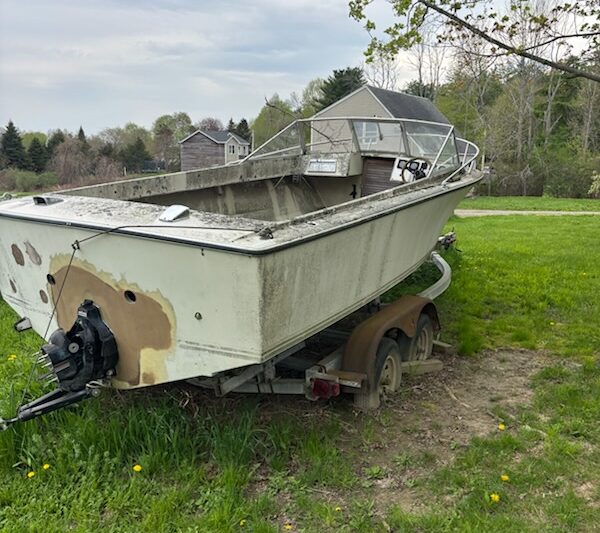
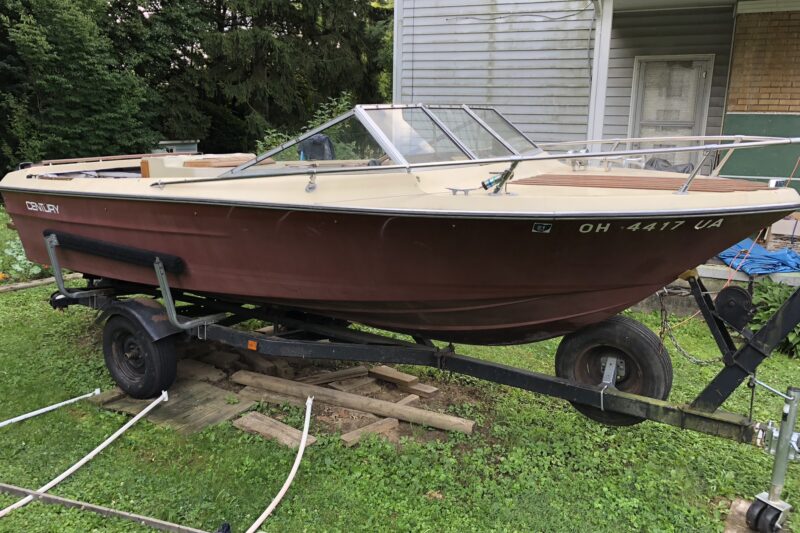
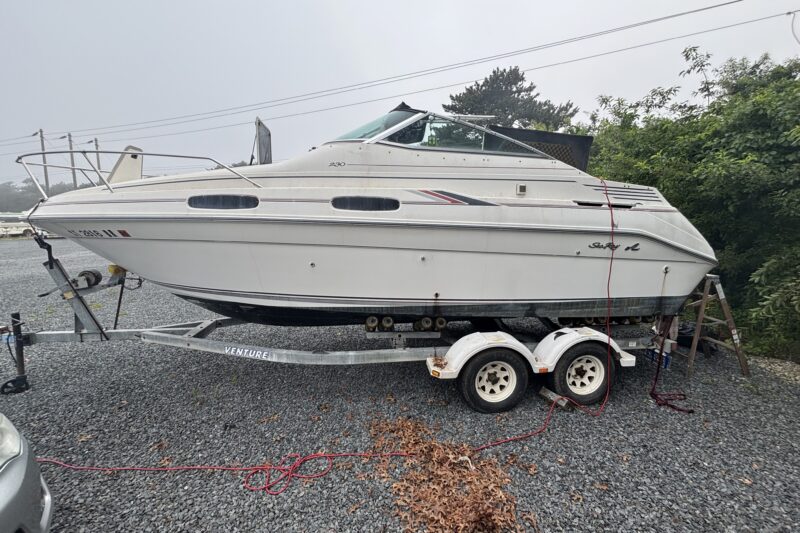
An unwanted boat can become one of the most difficult things to remove from a property. It is too large for ordinary junk hauling, too heavy to move by hand, and often too deteriorated to sell. What began as a recreational investment can eventually turn into a neglected vessel taking up valuable space in a driveway, backyard, storage yard, or marina.
For boat owners in Springfield, Massachusetts, professional boat removal and scrapping can provide a practical way to finally deal with that problem.
The Springfield area sits along the Connecticut River and has access to a broader network of Massachusetts waterways where recreational boating, fishing, and other marine activities take place. Boats in the region are exposed to everything from summer heat and rain to freezing winter temperatures. Over enough seasons, even a well-built vessel can begin to deteriorate when maintenance is neglected.
Boat Scrapyards helps property owners and boat owners find a straightforward solution for unwanted vessels. From an old fishing boat that has not run in years to a damaged fiberglass cruiser or aluminum boat sitting on a neglected trailer, professional removal can turn a major property headache into a completed cleanup project.
Springfield Boat Removal FAQs
Do you remove boats that do not run?
Non-running boats can be candidates for removal. A vessel does not need to be operational for a removal project to be considered. The boat’s size, condition, location, and accessibility help determine the appropriate hauling approach.
Can an old boat on a trailer be removed?
Yes. Boat trailers are often part of the removal challenge. If the trailer is damaged, flat, rusted, or no longer roadworthy, specialized hauling may be necessary.
What types of boats can be scrapped?
Boat Scrapyards can handle inquiries involving many different types of vessels, including fishing boats, aluminum boats, fiberglass boats, sailboats, runabouts, pontoons, cruisers, and older recreational vessels.
Can you remove a boat from private property?
Boat removal from residential and other private properties may be possible when the owner or authorized party has permission to have the vessel removed.
What if the boat has been sitting outside for years?
Long-term outdoor storage is common with unwanted boats. Weather exposure can cause significant deterioration, but an old boat may still be removable even when it is no longer usable.
Do I need to repair the boat before removal?
Generally, there is no reason to invest heavily in repairs simply to get rid of a vessel you have already decided not to keep. The removal requirements can be evaluated based on the boat’s existing condition.
When a Boat Stops Being an Asset
There is a point when an old boat changes from something useful into something that simply occupies space.
Maybe the engine quit several years ago.
Maybe the hull developed leaks.
Maybe the trailer needs more work than the boat is worth.
Maybe the owner moved away from boating and has no plans to use the vessel again.
Or perhaps the boat belonged to a family member and was inherited unexpectedly.
Whatever the reason, the end result is usually the same: an oversized object that nobody knows what to do with.
Selling it can be difficult if the vessel is severely damaged or non-operational. Donating it is not always an option. Taking it to a conventional disposal facility may be impossible.
That is why boat scrapping exists as a specialized solution.
Instead of trying to find another use for a vessel that has reached the end of its useful life, owners can arrange for the boat to be removed and handled as a marine scrapping project.
Springfield and the Connecticut River
The Connecticut River is an important geographic feature of the Springfield region and part of the larger recreational and commercial landscape of western Massachusetts.
Boats associated with river communities experience a very different environment from vessels kept on the Massachusetts coast, but they face plenty of their own challenges.
Seasonal temperature swings are significant. Winter brings freezing conditions that can be particularly hard on vessels with neglected plumbing, engines, batteries, and other systems. Summer exposure brings heat, moisture, storms, and continued wear.
A boat that is regularly maintained can handle those conditions.
A boat that is already neglected can deteriorate rapidly.
This is one reason old vessels frequently become removal projects after sitting unused for multiple seasons.
Why Springfield-Area Boats Get Scrapped
There is no single reason a boat ends up at a scrapyard.
Some vessels are simply old.
Others have suffered mechanical failure or accident damage. Some have been exposed to weather for years without proper maintenance.
Common reasons for arranging boat disposal include:
- Engine failure
- Severe hull deterioration
- Water damage
- Storm damage
- Fire damage
- Rot in wooden components
- Damaged trailers
- Outdated electrical systems
- Expensive restoration requirements
- Long-term neglect
- Inability to sell the boat
- Inherited vessels
- Lack of storage space
- Owners no longer interested in boating
The financial side is often the deciding factor.
An owner might initially believe that repairing an old boat will be inexpensive. After adding an engine, electrical work, trailer repairs, upholstery, hull repairs, and other maintenance, the total can become much larger than expected.
At that point, scrapping may be the more sensible choice.
The Types of Boats We Scrap, Salvage & Dispose Of
Not every boat removal project looks the same.
A small aluminum fishing boat can be relatively straightforward compared with a large fiberglass cabin cruiser. A sailboat can present completely different hauling considerations from a pontoon boat on a trailer.
Boat Scrapyards receives inquiries involving many types of vessels, including:
- Aluminum fishing boats
- Fiberglass fishing boats
- Bass boats
- Bowriders
- Runabouts
- Pontoon boats
- Sailboats
- Cabin cruisers
- Center-console boats
- Small work boats
- Older recreational boats
- Damaged vessels
- Non-running boats
- Boats with deteriorated trailers
The construction material matters.
Aluminum boats can contain substantial amounts of scrap metal. Fiberglass boats require a different disposal strategy because the hull itself is not processed in the same manner as a metal vessel.
Wooden boats can present another challenge, especially when years of moisture exposure have caused rot.
The condition of the vessel also matters just as much as its size.
A small boat that has been sitting in one location for a decade may require more planning than a larger vessel that remains structurally intact.
Marine Scrapping: What Is Actually Inside an Old Boat?
A boat is much more than a hull.
Depending on its age and configuration, an unwanted vessel can contain a variety of materials and components that need to be addressed during the scrapping process.
Metal components may include aluminum, stainless steel, steel, bronze, and other marine hardware.
There can also be:
- Engines
- Outboard motors
- Propellers
- Fuel tanks
- Marine batteries
- Copper wiring
- Stainless-steel rails
- Pumps
- Electrical equipment
- Trailer components
- Hardware
- Marine electronics
Some components may have value independent of the hull.
Others may need to be removed and handled separately.
This is why marine scrapping should not be approached like ordinary household junk disposal. Boats contain mechanical, electrical, structural, and potentially hazardous components that require consideration before the vessel is broken down.
Don’t Let an Unwanted Boat Become a Permanent Fixture
One of the most common problems with old boats is procrastination.
The owner knows the boat needs to go, but removing it feels like a project for another weekend.
Then another month passes.
Then another year.
The boat remains exactly where it was.
Meanwhile, tires lose air, trailer components corrode, vegetation grows around the hull, covers deteriorate, and water accumulates inside the vessel.
Eventually, the removal can become more complicated than it would have been when the boat was first abandoned.
If you already know that you are never going to restore or use the vessel, there is a strong argument for dealing with it sooner rather than later.
Boat Removal From Springfield Properties
Residential boat removal can involve more than simply hooking up a trailer.
The property itself has to be considered.
A boat may be sitting behind a house, along the side of a garage, in a narrow driveway, or in an area where ordinary towing equipment cannot easily reach it.
There may also be obstacles such as fencing, landscaping, vehicles, trees, sheds, or other structures.
If the trailer has flat tires or damaged wheels, moving the boat can become even more challenging.
That is why the removal process should start with an honest assessment of the boat and its surroundings.
Providing photographs and information about the vessel can make it easier to understand what the project involves before equipment arrives.
Old Boats at Storage Lots and Yards
Storage space is expensive.
That becomes particularly frustrating when the boat occupying that space is no longer wanted.
A boat that has been stored for years may be generating storage expenses without providing any value to its owner.
For storage operators and property managers, unwanted boats can also create operational headaches.
An old vessel takes up a parking or storage position that could potentially be used by another customer. If the owner has stopped responding or no longer wants the vessel, resolving the situation can become a major cleanup task.
Once the appropriate ownership and authorization issues are addressed, arranging professional boat removal can help return the space to productive use.
Fiberglass Boat Disposal Requires a Different Approach
Fiberglass boats are extremely common, but they can be particularly challenging when they reach the end of their useful life.
Unlike an aluminum hull, fiberglass cannot simply be treated as a pile of valuable metal.
Older fiberglass vessels may also contain wood, foam, hardware, wiring, engines, tanks, and other components.
That means the boat needs to be considered as an entire structure before disposal.
For an owner with a deteriorating fiberglass boat sitting on a property, trying to dismantle the vessel personally can create a long, dirty, labor-intensive project.
Professional boat removal provides a much easier starting point.
Aluminum Boats Can Have Valuable Scrap Components
Aluminum vessels are another common category of boat that eventually enters the scrapping process.
Fishing boats, utility boats, and smaller recreational vessels are frequently constructed with aluminum because of its durability and relatively light weight.
Once the boat is no longer useful, its metal construction can become an important part of the scrapping process.
Aluminum, stainless steel, copper, and other metals can potentially be separated from other portions of the vessel.
The exact value of a boat depends on its material composition, condition, weight, equipment, and current market conditions. A boat should not automatically be assumed to have a particular scrap value without evaluating the vessel.
What Happens After Your Boat Is Picked Up & Hauled Away?
After removal, the vessel can be evaluated based on its construction, condition, and components.
Usable equipment may be separated from the hull. Metal components can be sorted for scrapping. Engines, trailers, hardware, and other pieces may require individual handling.
The exact process varies from boat to boat.
For the property owner, the most important result is straightforward: the unwanted vessel is no longer occupying the property.
That can mean a cleared driveway, an empty storage space, a cleaner backyard, or room at a marina or boatyard for something more useful.
The removal itself is often the biggest obstacle for an owner.
Once the boat is gone, the rest of the cleanup becomes much easier.
Serving Springfield and Surrounding Western Massachusetts
Boat Scrapyards helps owners looking for boat removal, boat disposal, and marine scrapping solutions in the Springfield area.
The need can extend throughout the surrounding communities of western Massachusetts, where recreational boats, fishing vessels, trailers, and older watercraft can accumulate on residential properties, storage lots, and other locations.
Whether your boat has been sitting for two months or twenty years, the first step is determining whether the vessel can be safely removed and what equipment will be required.
There is no reason to keep sacrificing valuable property space to a boat you already know you will never use again.
Ready to Get Rid of That Old Boat?
An unwanted boat rarely becomes easier to deal with by sitting around longer.
If the vessel has stopped running, the repair bills have become unreasonable, the trailer has deteriorated, or you simply do not want the boat anymore, professional removal may be the cleanest solution.
Boat Scrapyards can help you take the first step toward clearing the vessel from your property.
Whether it is an aluminum fishing boat near the Connecticut River, an old fiberglass recreational boat sitting behind a Springfield home, a damaged vessel at a storage property, or a trailer-bound boat that has been neglected for years, getting started is simple.
Describe the boat, provide its location and condition, and find out what is involved in getting it removed.
You do not need to spend another season looking at the same unwanted boat.
When it has reached the end of the line, let Boat Scrapyards help clear the space and put the vessel on the path to proper marine scrapping and disposal.