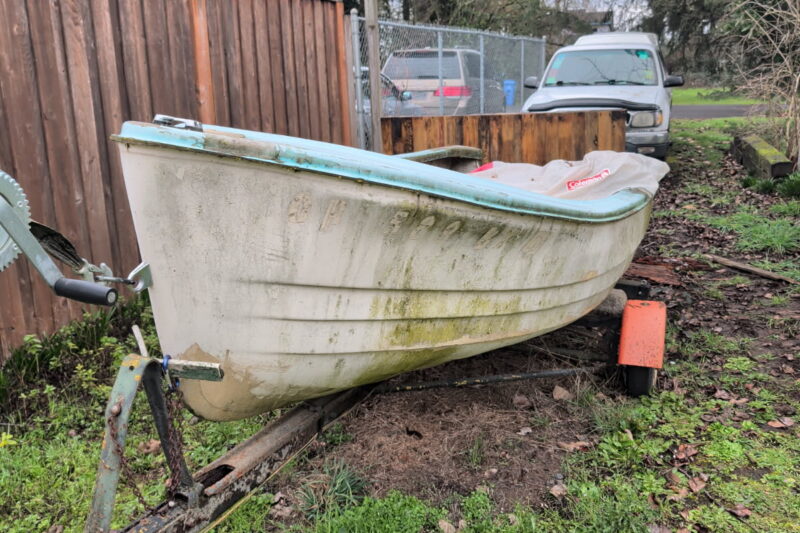
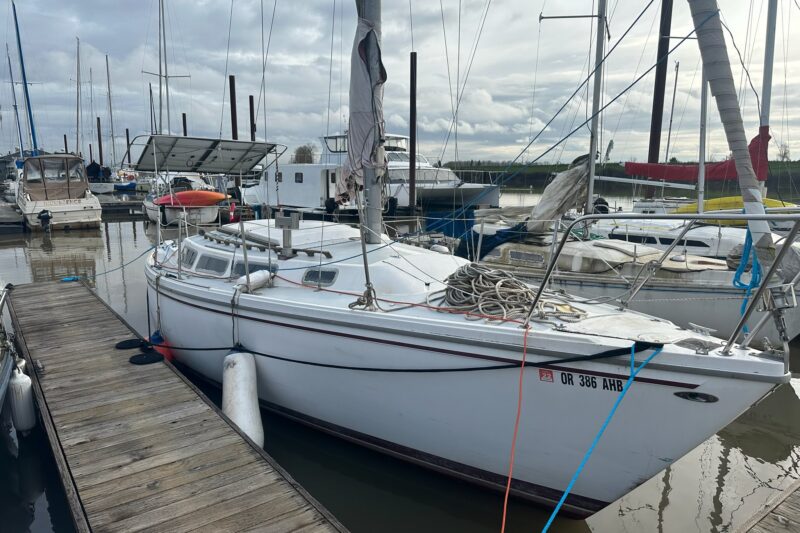
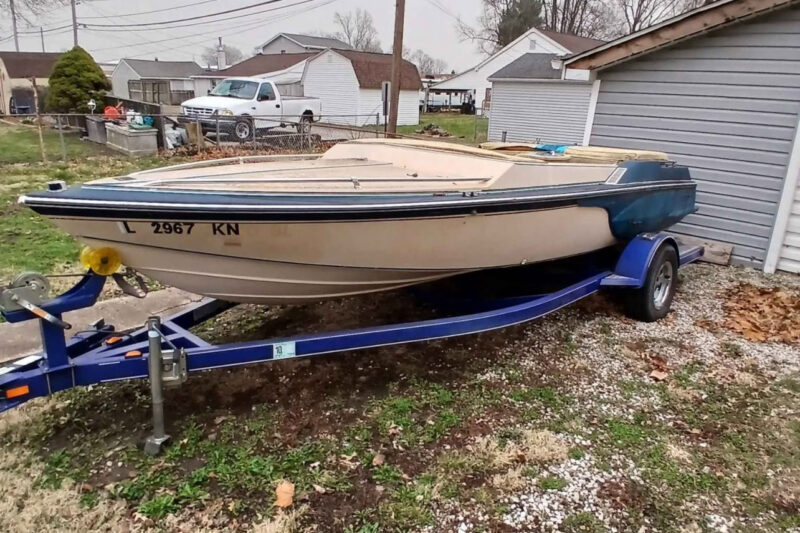
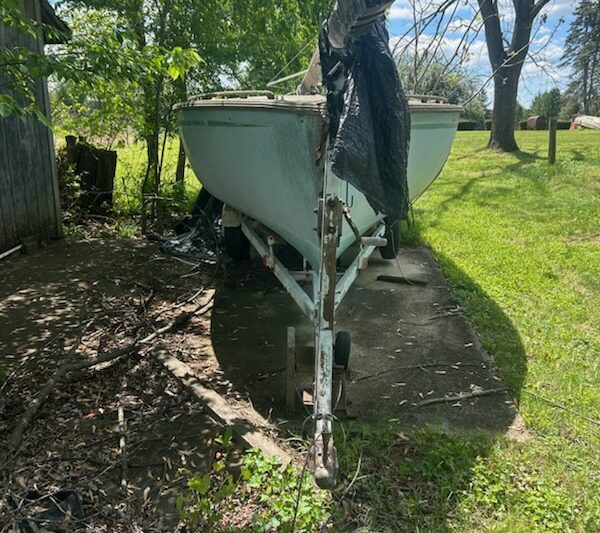
Portland, Oregon, has a distinctive boating environment shaped by the Willamette River, the Columbia River, nearby lakes, and the region’s network of marinas and boat storage properties. Recreational boaters use the area for fishing, cruising, watersports, and trips throughout the Pacific Northwest. But when a vessel becomes too expensive to repair, stops running, or sits unused for years, owners may need a practical way to get it removed.
Boat Scrapyards helps boat owners explore boat removal, boat scrapping, marine salvage, hauling, and dismantling options for unwanted vessels. Whether an aging fishing boat is parked beside a garage, a deteriorated powerboat is occupying a storage space, or an old pontoon has become a maintenance burden, finding an appropriate removal solution can help restore usable space.
Portland’s wet climate can create additional challenges for boats that remain outdoors. Persistent moisture, winter rain, temperature changes, and extended periods without use can contribute to deterioration in hulls, electrical systems, engines, trailers, and interior materials. What starts as a manageable repair can eventually become a project that no longer makes financial sense.
For owners ready to move on from an unwanted vessel, Boat Scrapyards offers a starting point for evaluating available removal and disposal arrangements based on the boat’s size, construction, condition, and location.
When Keeping an Old Boat Becomes More Trouble Than It’s Worth
Many unwanted boats spend months or years waiting for repairs that never happen. An engine may fail before the boating season, a fiberglass hull may develop structural problems, or a trailer may need tires, brakes, bearings, and other repairs before the vessel can be moved safely.
In the Portland area, repeated exposure to moisture can make long-term outdoor storage especially difficult. Water entering through damaged covers, deck fittings, windows, or hull openings can contribute to interior damage, corrosion, mold, and deterioration of wood components. A neglected boat may also accumulate leaves, standing water, and debris.
The costs can extend beyond the vessel itself. Owners may continue paying storage fees or lose valuable driveway, garage, or yard space while deciding what to do next. Boats that no longer meet their recreational needs can become a burden rather than an asset.
Boat removal provides a way to address that problem without committing to another round of repairs. Depending on the vessel, possible arrangements may involve hauling, dismantling, marine salvage, scrap recovery, or specialized disposal.
The right approach depends on the boat’s current condition and how easily it can be accessed. A small aluminum fishing boat on a usable trailer presents different requirements from a large cabin cruiser with a deteriorated hull or an inoperable engine.
Boat Removal Across Portland and the Greater Metro Area
Unwanted boats can be found throughout Portland, from residential driveways and rural properties to commercial storage facilities and waterfront locations. The removal process depends on where the vessel is stored and the equipment needed to reach it.
Boat Scrapyards helps owners explore potential options in Portland and surrounding communities, subject to location, access, vessel condition, and service availability.
Potential service areas include:
- Portland and North Portland
- St. Johns and the Columbia River corridor
- Hayden Island and nearby waterfront areas
- Milwaukie and Oregon City
- Gresham and Troutdale
- Beaverton and Hillsboro
- Lake Oswego and West Linn
- Vancouver, Washington, where service availability and applicable requirements permit
The boat’s exact location matters. A vessel stored on a trailer in an open driveway may be relatively straightforward to move. A boat positioned behind a house, inside a narrow side yard, or at a facility with limited access may require additional planning.
Waterfront locations can involve extra coordination with marina management, property owners, or other responsible parties. If the boat is still in the water, the owner should explain whether it floats, whether it can be moved safely, and whether the removal requires a haul-out or specialized recovery.
Providing photographs of the vessel, trailer, and surrounding access area can help establish the scope of the job before arrangements are confirmed.
Which Types of Boats Can Be Considered for Scrapping?
Boat Scrapyards works with owners exploring options for different vessel types. The appropriate solution depends on construction materials, dimensions, condition, transportation needs, and the receiving facility’s capabilities.
Aluminum Fishing Boats and Small Utility Boats
Aluminum fishing boats are popular among anglers who use the Columbia and Willamette river systems and other regional waterways. Smaller aluminum boats can be practical to own, but years of use, neglect, corrosion, damaged seams, or transom deterioration can eventually make repairs unattractive.
Depending on their condition, these vessels may contain recoverable aluminum and other metal components. However, the presence of scrap metal does not automatically mean a boat will have positive resale or scrap value. Labor, transportation, trailer condition, and processing expenses all influence the outcome.
Owners should identify major hull damage, missing equipment, and whether the boat can be loaded or transported using its existing trailer.
Fiberglass Boats and Older Powerboats
Fiberglass runabouts, cuddy cabins, cruisers, and other recreational powerboats can become expensive to maintain as they age. Engine failures, deteriorating decks, water intrusion, electrical problems, and structural damage may make restoration impractical.
Fiberglass hulls require different handling from ordinary scrap metal. Engines, metal fittings, wiring, and selected equipment may be recoverable, but the hull may need specialized dismantling or disposal through a facility equipped to accept it.
An assessment should account for visible cracks, soft areas, damaged transoms, and other structural concerns. These issues can affect how a vessel must be supported and transported.
Pontoon Boats and Party Boats
Pontoon boats offer generous space for recreational outings, but their size can complicate removal when they are no longer usable. Deteriorated decking, damaged flotation structures, failing electrical components, worn furniture, and propulsion problems may leave an older pontoon sitting unused.
The overall width and length of the boat also affect access and transportation. Some vessels may require preparation or dismantling before they can be moved through confined spaces.
Owners should provide the approximate dimensions, condition of the pontoons, and status of the trailer when requesting an evaluation.
Sailboats and Cabin Cruisers
Sailboats and cabin cruisers may contain fiberglass or composite hulls, metal rigging, engines, batteries, interior furnishings, plumbing, and other equipment. Their size and configuration can make hauling more complicated than moving a small open boat.
A vessel stored at a marina may require coordination for lifting, launching restrictions, or access to the facility. A boat stored on land may need specialized equipment if its cradle, trailer, or support structure is no longer usable.
The removal plan should reflect the vessel’s actual condition rather than assuming a conventional tow will be sufficient.
Personal Watercraft and Smaller Recreational Vessels
Old jet skis, dinghies, inflatable boats, and compact runabouts can also take up unnecessary storage space. Their smaller dimensions may simplify transportation, but missing trailers, damaged hulls, and inaccessible storage locations can still affect removal.
Owners should explain whether accessories, engines, or trailers are included in the removal arrangement.
Portland’s Rivers and the Importance of Responsible Boat Disposal
Portland’s location near the Willamette and Columbia rivers makes boating a significant part of the local recreational environment. These waterways also make it important to consider vessel condition and environmental risks before moving an unwanted boat.
A vessel stored on private property generally presents different logistical requirements from one kept at a marina or moored in the water. If a boat is leaking, taking on water, or at risk of sinking, owners should contact the appropriate marina personnel or relevant authorities promptly rather than waiting for a routine removal appointment.
Boats may contain gasoline, diesel, engine oil, batteries, lubricants, cleaning products, and other materials that require appropriate handling. Damaged fuel systems and leaking fluids can create risks during hauling and dismantling. Owners should disclose known leaks, damaged batteries, and potentially hazardous materials before service is arranged.
Oregon and local requirements may apply to vessel ownership, registration, abandoned boats, waste handling, and disposal. Boats located in Washington waters or on Washington property may also be subject to different requirements. Owners should verify the applicable rules for their particular circumstances.
It is also important not to assume that every boat can be accepted by an ordinary metal scrap facility. Fiberglass hulls, treated wood, flotation materials, and mixed-material components may require different disposal arrangements.
A responsible removal plan considers the vessel’s location, the materials it contains, and the capabilities of the destination facility.
How the Boat Scrapping Process Works
Arranging boat removal begins with a clear description of the vessel and the circumstances surrounding it. Providing accurate information helps establish what equipment, transportation, and disposal arrangements may be necessary.
Step 1: Describe the Vessel
Provide the approximate length, boat type, construction material, and general condition. Explain whether the engine runs, whether the boat has a trailer, and how long it has been stored.
Photographs showing the hull, interior, engine area, and trailer can help identify obvious issues. Mention missing components, water intrusion, structural damage, or other conditions that could affect loading and transportation.
Step 2: Evaluate Access and Transportation
The next step is determining how the vessel can be reached and moved. A boat on a functional trailer may be easier to haul than one with seized wheels, a damaged frame, or no trailer.
Narrow driveways, overhead power lines, gates, steep slopes, and limited turning space can affect the removal method. Marina removals may require scheduling, proof of authorization, or coordination with facility staff.
Step 3: Confirm the Arrangement
Removal costs and potential scrap value depend on the vessel’s condition, size, location, transportation requirements, and processing needs. Some boats contain recoverable materials, while others require substantial labor or specialized handling.
Before authorizing the job, confirm the scope of service, any fees, potential payment, and the intended removal or disposal arrangement. Free pickup or payment for an unwanted boat should never be assumed without an assessment.
Step 4: Prepare Documentation and Equipment
Have available proof of ownership and any relevant title or registration documents. Requirements vary by vessel and situation, so verify the appropriate paperwork before transferring ownership or arranging disposal.
Remove personal belongings and identify any equipment that should remain with the owner. Follow instructions for handling fuel, batteries, and other materials that may require special attention.
Step 5: Arrange Removal and Appropriate Processing
Once the details are confirmed, the vessel can be removed using the agreed method. Depending on its condition, it may be hauled to a suitable facility, dismantled, or directed toward an appropriate marine salvage or disposal operation.
The destination determines which components can be recovered and how remaining materials are handled.
What Happens After Your Boat Is Hauled Away?
The next stage depends on the vessel’s construction and the condition of its components. Some boats contain engines, metal fittings, aluminum sections, and other parts that may be suitable for recovery or resale.
Metal components can sometimes be separated for scrap processing, provided they meet the receiving facility’s requirements. Usable equipment may have a different destination from damaged or worn-out parts.
Fiberglass boats and mixed-material vessels require a different approach. Their hulls may need specialized dismantling, and some materials may have limited recovery options. Transportation, labor, contamination, and processing costs can determine whether a particular component is worth salvaging.
Owners should understand that removal does not guarantee that every component will be recycled or reused. The practical objective is to arrange suitable handling for the vessel and its materials based on the available facilities and applicable requirements.
Keep any receipts, transfer documents, or other records associated with the transaction. Follow the relevant procedures for updating ownership or registration so that the boat is no longer improperly associated with you after the transfer.
Frequently Asked Questions About Portland Boat Scrapping
Can you remove a boat that does not run?
A non-running boat may be eligible for removal. The available method depends on its size, condition, storage location, and whether a usable trailer is available. Specialized equipment may be necessary for vessels that cannot be moved conventionally.
Can an old boat be removed from a Portland driveway?
Potentially. The driveway’s dimensions, access, surrounding obstacles, and the boat’s condition determine whether conventional hauling is practical. Photographs can help establish the requirements.
Is a fiberglass boat worth scrapping?
It depends on the boat and the available processing options. Some components may have recoverable value, but fiberglass hulls generally require different handling from metal boats. Removal and disposal costs may outweigh any recoverable value.
Can you remove boats stored near the Columbia or Willamette River?
Potentially, subject to the vessel’s exact location, access, service availability, and any marina or waterway requirements. Boats still in the water may need additional coordination or specialized recovery.
Does every boat qualify for free removal?
No. Pricing depends on transportation, labor, vessel condition, location, and disposal requirements. Confirm the complete arrangement before scheduling service.
What documents should I prepare?
Have available proof of ownership and any title or registration documents associated with the boat. Verify applicable Oregon or Washington requirements based on the vessel and its location.
What if the boat has fuel or leaking fluids?
Disclose the condition before arranging removal. Fuel systems, batteries, oils, and other potentially hazardous materials may require special handling. A leaking vessel in the water should be addressed promptly through appropriate marina personnel or authorities.
Find a Practical Boat Removal Solution in Portland
An unwanted boat can consume valuable space and become more expensive to maintain as deterioration continues. Whether you have a neglected aluminum fishing boat, a fiberglass runabout, an old pontoon, or a larger recreational vessel, evaluating removal options can help you move forward without continuing to invest in a boat you no longer use.
Boat Scrapyards helps Portland-area owners explore boat hauling, scrapping, marine salvage, dismantling, and disposal arrangements for vessels in a range of conditions.
If your boat is located in Portland, Milwaukie, Gresham, Oregon City, Beaverton, Hillsboro, or another nearby community, start by gathering its basic details, current location, and photographs. Clear information about the vessel and access conditions makes it easier to assess the requirements and identify an appropriate next step.