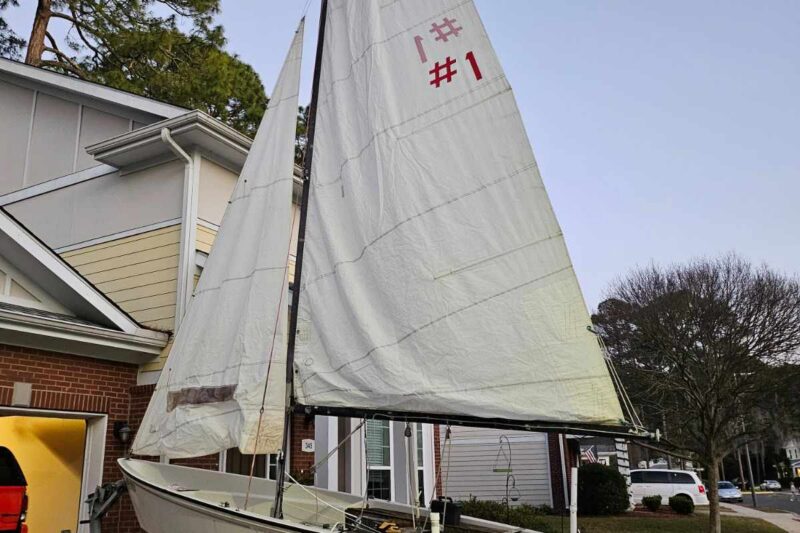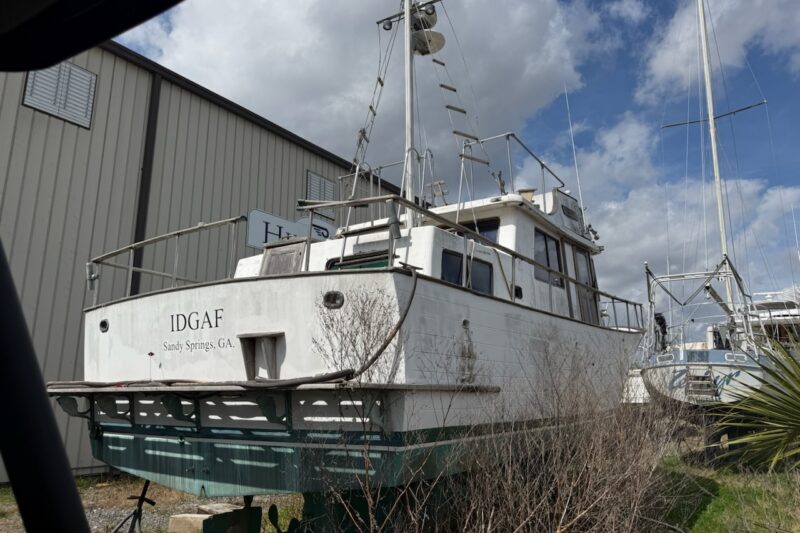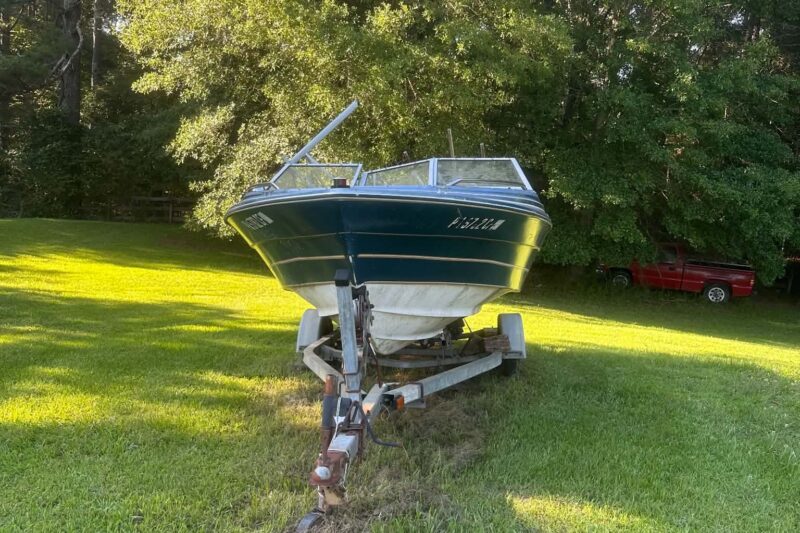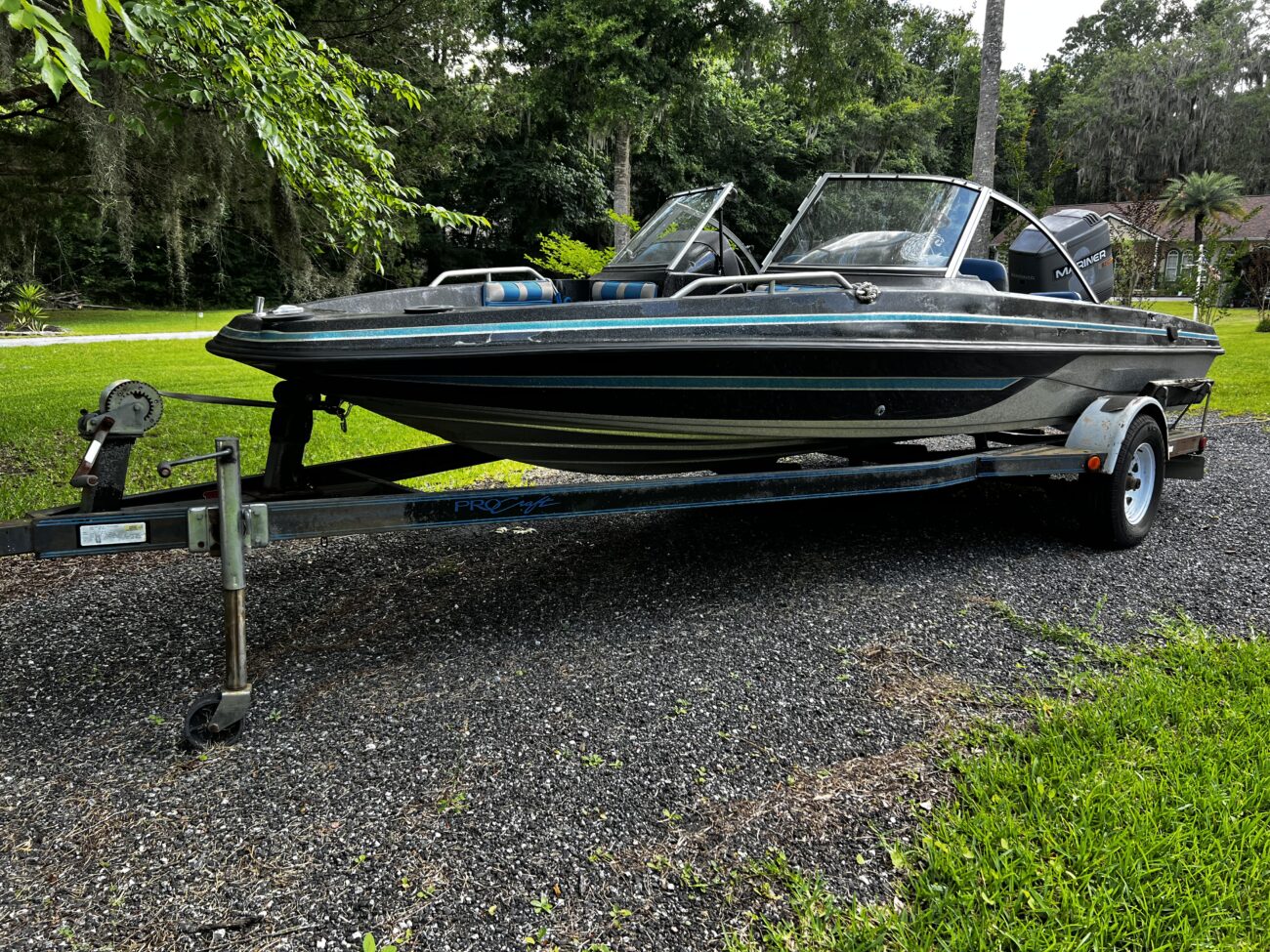
A boat can spend decades on Georgia’s coast before the day comes when it is no longer worth keeping.
For some Brunswick-area owners, that day arrives after an engine failure. For others, it happens when an old vessel becomes too weathered, too expensive to restore, or simply no longer fits their lifestyle. A boat may sit behind a house, on a trailer, in a storage yard, or near the waterfront while the owner tries to figure out what to do with it.
Eventually, the question becomes less about using the boat and more about getting rid of it.
Boat Scrapyards provides boat removal, hauling, marine salvage, dismantling, and scrapping services for unwanted vessels in the Brunswick area. The goal is straightforward: help owners clear out boats that have become difficult, expensive, or impractical to keep.
What Brunswick Boat Owners Should Know Before Getting Rid of an Old Vessel
The first thing to understand is that boat disposal is rarely as simple as putting a vessel out with ordinary household junk.
Boats are large, heavy, and often made from a combination of materials. A single vessel may contain fiberglass, aluminum, steel, wiring, engines, batteries, electronics, wood, upholstery, fuel-system components, and trailer parts.
Its location can make the project even more complicated.
A boat parked in an open driveway presents one set of challenges. A vessel sitting behind a building presents another. A boat located around a marina or waterfront property may require additional planning because of docks, access lanes, neighboring vessels, and limited working space.
Getting the right removal plan starts with looking at the entire situation rather than just the boat itself.
Frequently Asked Questions About Boat Removal in Brunswick
Do you remove boats that are not running?
Non-operational boats are common removal projects. The vessel’s size, condition, location, and accessibility determine how the removal can be approached.
Can an old boat trailer be removed too?
A trailer can be considered as part of the project. Old boat trailers may have flat or deteriorated tires, seized bearings, rusted components, damaged axles, or other issues that make normal towing difficult.
What kinds of vessels are candidates for scrapping?
Projects may involve fishing boats, center consoles, sailboats, cruisers, skiffs, pontoon boats, aluminum vessels, fiberglass boats, and other unwanted marine craft.
What if the boat has been sitting for years?
Long-term storage does not automatically prevent removal. In fact, many owners contact boat removal companies specifically because a vessel has been sitting unused for an extended period.
Are damaged boats eligible for removal?
A damaged vessel can be evaluated according to its condition and location. Storm damage, collision damage, deterioration, and mechanical failure can all contribute to a boat becoming a removal project.
What happens to the boat after it is hauled away?
Depending on the vessel, it may be dismantled and evaluated for salvageable components and scrap materials. The final handling depends on the boat’s construction and condition.
When Storage Becomes the Problem
One of the biggest reasons people delay boat removal is that the vessel is technically not causing an immediate problem.
It is simply sitting there.
A boat occupies a driveway.
A trailer takes up part of a yard.
A vessel consumes space in a storage facility.
An old cruiser occupies a corner of a waterfront property.
The owner gets used to seeing it.
Then a year passes.
Then another.
Meanwhile, the boat continues to age.
Tires deteriorate. Covers break down. Upholstery becomes damaged. Engines corrode. Electrical systems deteriorate. Water intrusion can create additional problems.
What started as a temporary storage situation can eventually become a permanent obstacle.
Removing the vessel can turn that unused area back into functional property.
Brunswick’s Working Waterfront Creates a Different Kind of Boat Environment
Brunswick is closely connected to Georgia’s coastal marine economy.
The Brunswick River, Turtle River, East River, surrounding waterways, and nearby Intracoastal Waterway provide access for a wide range of marine activity.
The Golden Isles also bring boaters toward communities and destinations around St. Simons Island, Sea Island, and Jekyll Island.
That means the local boating population includes much more than recreational weekend boaters.
Fishing vessels, workboats, charter operations, pleasure craft, sailboats, and other marine equipment are part of the broader coastal environment.
With that activity comes another reality: eventually, vessels are retired.
Some are replaced.
Some are abandoned by owners.
Some become too expensive to maintain.
And some simply reach the end of their useful service life.
Boat removal and marine scrapping provide a practical way to deal with those vessels instead of allowing them to occupy space indefinitely.
A Boat Does Not Have to Be Completely Destroyed to Be Ready for Scrapping
Many people assume a boat must be completely wrecked before it becomes a scrap candidate.
That is not necessarily the case.
A vessel can still have an intact hull, usable hardware, an old engine, trailer components, electronics, or metal materials while no longer being practical to operate.
Consider an older fishing boat.
The hull may still be recognizable.
The console may still be intact.
The trailer may still be underneath it.
But the engine could require extensive work, the wiring may be outdated, the interior may be deteriorated, and the owner may no longer want to invest additional money.
At that point, the boat’s value may be more closely connected to its components and materials than to its future as an operating vessel.
That is where dismantling and marine salvage enter the picture.
Salvage, Dismantling and Scrap: Looking at the Boat Piece by Piece
An unwanted vessel is not necessarily one single disposal item.
It can be a collection of individual materials and components.
An old boat might contain:
- Aluminum
- Stainless steel
- Copper wiring
- Engines
- Transmissions
- Marine electronics
- Batteries
- Hardware
- Propellers
- Fuel-system components
- Trailer parts
- Metal fittings
The condition of those materials varies from boat to boat.
Some components may have salvage potential. Other materials may be suitable for scrap handling. Some parts may simply require appropriate disposal.
Dismantling allows the vessel to be evaluated according to what it actually contains.
This can be particularly useful with older boats that are no longer economically practical to repair but still contain substantial amounts of equipment and material.
Fiberglass Boats Present a Different Disposal Challenge
Fiberglass vessels are common throughout coastal Georgia.
They are durable, but when a fiberglass boat reaches the end of its useful life, owners can discover that disposing of the hull is not particularly simple.
A fiberglass boat is not just a metal object that can be taken directly to a conventional scrap yard.
The hull may be accompanied by foam, wood, wiring, upholstery, plumbing, fuel-system components, engines, batteries, and other materials.
That is why fiberglass boat removal should be approached as a complete vessel-disposal project.
The owner does not have to spend months trying to dismantle the boat piece by piece in the backyard.
A professional removal service can address the vessel as a whole and determine how its various components and materials should be handled.
The Trailer Can Turn a Simple Pickup Into a Complicated Haul
Boat owners sometimes assume that if a vessel is sitting on a trailer, moving it will be easy.
An old trailer can prove otherwise.
Imagine a boat that has not moved in eight years.
The tires have been exposed to weather.
The wheel bearings have not been serviced.
The brakes may no longer work.
The lights could be disconnected.
The frame may have developed corrosion.
Even if the trailer appears intact, towing it on public roads may not be a practical option.
This is particularly important for larger boats that have been stationary for long periods.
Instead of spending money repairing a trailer that has little remaining value, owners may prefer to have the vessel and trailer addressed together as a removal project.
What About an Old Boat Sitting Behind a House?
Residential boat storage can create a unique headache.
A vessel may have been placed in the backyard with every intention of restoring it.
Then other projects took priority.
The owner got busy.
The boat remained.
Years later, it is still there.
This happens frequently with restoration projects.
A person buys an older boat believing that repairs will take a few weekends. Once the project starts, however, additional problems appear.
The engine needs work.
The deck needs attention.
The electrical system needs replacement.
The trailer needs repairs.
The interior is deteriorated.
Suddenly the weekend project has become a full-scale restoration.
If the owner has lost interest, the best solution may simply be to remove the boat.
Marina and Waterfront Removal Requires Planning
Removing a boat from a waterfront location can be very different from clearing a driveway.
There may be restricted access, docks, neighboring boats, buildings, storage equipment, and other obstacles.
The vessel may not be capable of moving under its own power.
The location may also limit the equipment that can be used.
For this reason, owners should provide accurate information about where the boat is located and how it can be accessed.
Photos can also be useful when evaluating a removal project.
The more information available ahead of time, the easier it is to understand what the job involves.
For marina operators and property managers, removing an unwanted vessel can also free up space that has been tied up by a boat that is no longer being used.
Old Fishing Boats Are a Common Coastal Removal Problem
Fishing boats experience heavy use.
They are exposed to water, sun, weather, engines, fishing equipment, fuel systems, electronics, and repeated transportation.
Eventually, maintaining an older fishing boat can become difficult.
An owner may replace one component only to discover another major problem.
When the repairs start exceeding what the vessel is worth to the owner, removal can make more sense.
An old fishing boat does not need to become an eyesore before action is taken.
If it is no longer being used and the owner has no realistic plan to restore it, getting it removed can eliminate future storage and maintenance concerns.
Sailboats and Cruisers Can Become Major Removal Projects
Larger vessels can present an entirely different set of problems.
Sailboats may have masts, rigging, sails, engines, interior spaces, tanks, electrical equipment, and extensive hardware.
Cruisers may contain cabins, appliances, plumbing, engines, generators, electrical systems, and other equipment.
When several systems fail simultaneously, the cost of restoration can climb rapidly.
The owner may also have difficulty finding suitable storage for a large vessel.
At that point, keeping the boat can become a burden rather than an asset.
Boat Scrapyards can help owners explore removal and marine salvage options when an older vessel has reached that stage.
What Happens After the Boat Leaves Your Property?
Removal is only the first stage of the process.
Once the vessel has been hauled away, its condition and construction can be evaluated.
Equipment may be separated from the hull.
Metal components can be sorted.
Trailer parts may be handled separately.
Engines and mechanical components can be evaluated independently.
Other materials can be addressed according to their characteristics.
A vessel that is too far gone to operate may still contain materials worth salvaging or scrapping.
The process is therefore not necessarily about treating the entire boat as worthless.
It is about determining what remains useful and dealing with the rest appropriately.
Boat Scrapyards Helps Brunswick Owners Deal With the Boat They No Longer Want
The hardest part of boat disposal is often deciding to finally do something about the vessel.
Once that decision has been made, the next question is who can actually handle it.
Boat Scrapyards focuses on unwanted boats and marine removal projects rather than treating every vessel like ordinary household junk.
That distinction matters.
A boat can weigh thousands of pounds.
It can be too large for conventional hauling.
Its trailer may not be roadworthy.
Its location may be difficult to access.
And its construction can involve several different materials.
Professional boat removal takes those variables into account.
Whether the vessel is a deteriorated fishing boat, old sailboat, fiberglass cruiser, aluminum skiff, pontoon, or another unwanted marine craft, Boat Scrapyards can help Brunswick-area owners determine the next step.
Stop Paying for Space an Old Boat Is Taking Up
An unwanted boat rarely becomes easier to manage by sitting untouched for another year.
The longer it remains outside, the more exposure it receives.
The longer it remains on a trailer, the older the trailer becomes.
The longer it occupies a storage area, the longer that space cannot be used for something else.
At some point, keeping the boat becomes its own expense.
If you are finished with the vessel, removing it can bring the situation to an end.
Boat Scrapyards provides Brunswick boat removal, marine hauling, vessel scrapping, salvage, dismantling, and disposal services for owners dealing with boats that have reached the end of the road.
From residential properties to waterfront locations, the first step is simply getting the unwanted vessel evaluated.
If that old boat has been sitting around Brunswick long enough, it may be time to clear it out.