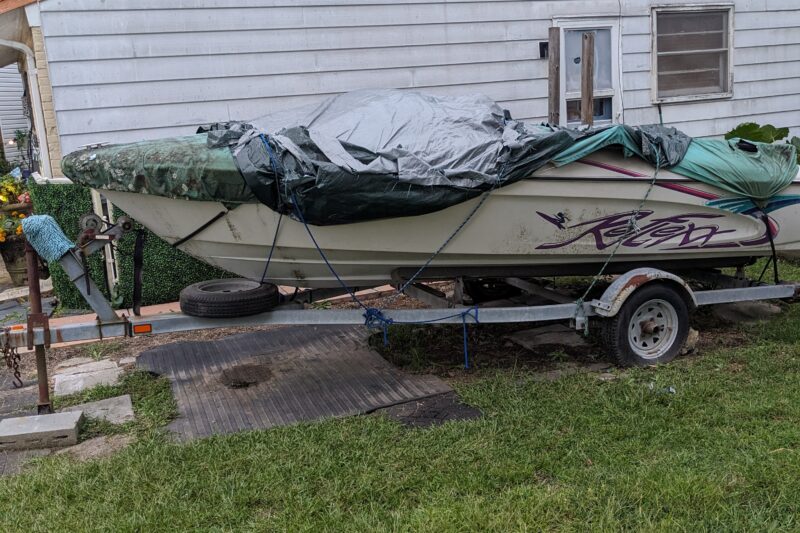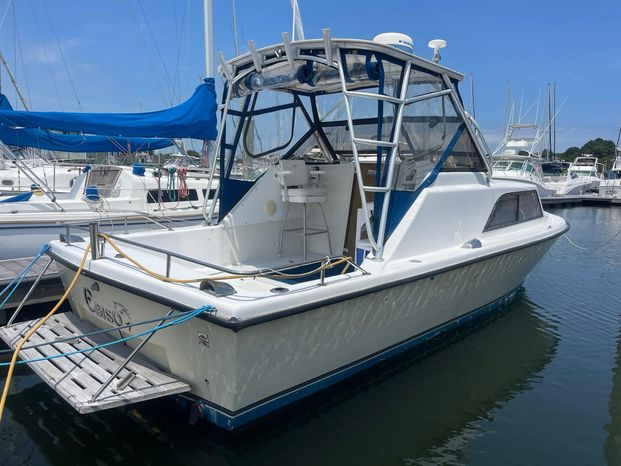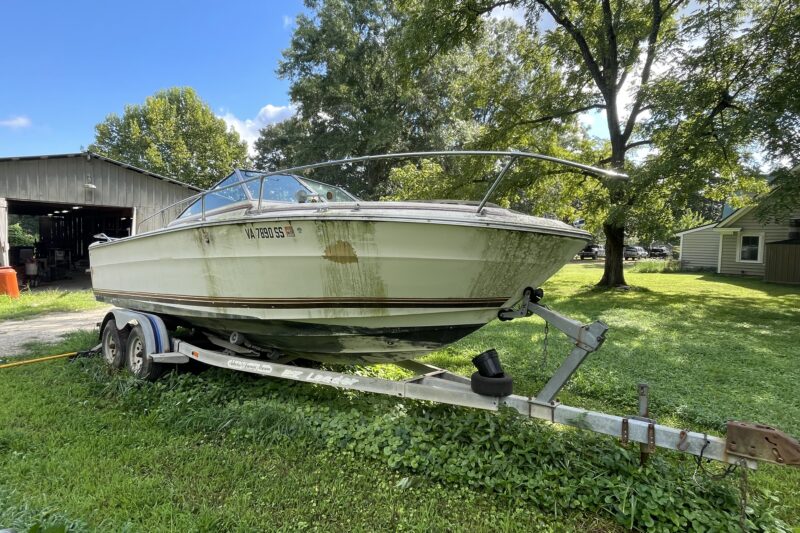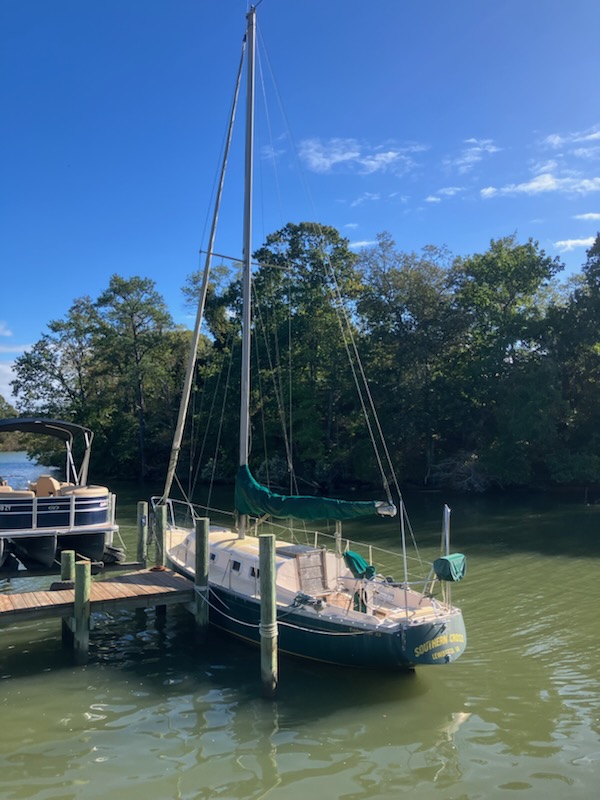
Virginia Beach has a boating environment shaped by the Atlantic coastline, Chesapeake Bay, Lynnhaven Inlet, and the region’s extensive network of rivers and waterways. Fishing boats, center consoles, pontoons, sailboats, cruisers, and other recreational vessels are common throughout the coastal community. But when a boat becomes damaged, stops running, or sits unused for several seasons, owners eventually face the challenge of getting it removed.
Boat Scrapyards helps boat owners explore options for unwanted, neglected, damaged, and non-running vessels. Whether your boat is stored in a residential driveway, sitting on a trailer, occupying space at a marina, or deteriorating on private property, boat removal can help clear valuable space and eliminate the burden of maintaining an unwanted vessel.
Coastal conditions can be especially demanding on boats. Saltwater exposure, humidity, storms, moisture, and extended outdoor storage can contribute to corrosion, deteriorating hulls, electrical problems, and mechanical failures. A vessel that once provided years of recreation may eventually require more repairs than its owner wants to undertake.
When restoration is no longer practical, boat scrapping, junk boat hauling, and marine salvage may be worth exploring. Boat Scrapyards provides a starting point for discussing removal possibilities based on the boat’s construction, condition, size, location, and transportation requirements.
Virginia Beach Boat Removal for Vessels That Need to Go
An unwanted boat can become a persistent property problem. It may occupy a driveway, block access to a garage, take up valuable marina space, or remain on a residential lot long after its owner has stopped using it. Even when a vessel is no longer operational, it can still require storage, maintenance, and attention.
Virginia Beach boat owners may have vessels stored near the waterfront, in residential neighborhoods, at commercial facilities, or on private recreational properties. Some boats have not been used in years, while others have suffered damage that makes continued repairs financially impractical.
Boat removal may be worth considering when:
- An engine has failed and replacement costs are excessive.
- The hull has cracks, leaks, or structural deterioration.
- Saltwater corrosion has affected important components.
- A boat has sustained storm, collision, or flooding damage.
- A trailer is rusted, damaged, or unsafe to tow.
- An inherited vessel is no longer wanted by the new owner.
- A restoration project has become too expensive to finish.
- A marina or storage facility needs to clear unused vessels.
- A boat is occupying valuable residential or commercial property space.
The appropriate removal arrangement depends on the vessel and its location. A small fishing boat on an accessible trailer may require relatively straightforward hauling, while a large cruiser stored in a restricted boatyard could require additional equipment and coordination.
Boat Scrapyards helps owners begin evaluating their options by gathering information about the boat and identifying the transportation or handling requirements involved.
Boat Scrapping in Virginia Beach: What Happens to an Unwanted Vessel?
Boat scrapping is an option for owners who have decided that maintaining or restoring an unwanted vessel is no longer worthwhile. Instead of continuing to spend money on repairs and storage, they can investigate whether the boat can be hauled away, dismantled, or processed for recoverable materials.
Boats contain a mixture of materials that may include fiberglass, aluminum, steel, wood, wiring, engines, plastics, foam, upholstery, and mechanical components. Each material requires different handling, and the amount that can potentially be recovered depends on the boat’s construction and condition.
Aluminum fishing boats may contain metal suitable for scrap processing. Engines, hardware, wiring, and certain mechanical components may also have salvage potential depending on their condition. Fiberglass vessels require different processing because their hulls are made from composite materials rather than conventional scrap metal.
Marine salvage involves evaluating the vessel to determine which parts or materials can realistically be recovered. Not every boat has a positive scrap value, and transportation, dismantling, labor, equipment, and disposal costs can affect the overall arrangement.
Boat Scrapyards helps owners explore these possibilities based on the actual vessel. Providing accurate details about the boat’s condition and location makes it easier to discuss whether hauling, scrapping, or additional dismantling may be appropriate.
From Center Consoles to Sailboats: Types of Boats We Help Remove
Virginia Beach has a diverse boating community, and unwanted vessels come in many different sizes and configurations. Some owners have smaller aluminum fishing boats, while others need help removing larger recreational vessels that have been stored for years.
Boat Scrapyards can help owners explore removal options for a variety of boats, depending on the vessel’s condition, dimensions, location, and accessibility.
Common boat types considered for removal include:
- Center console boats: Fishing vessels with damaged hulls, failed outboard motors, deteriorated decks, or missing equipment.
- Fiberglass fishing boats: Older boats with cracked hulls, damaged transoms, water intrusion, or structural problems.
- Aluminum fishing boats: Vessels with corrosion, bent hull sections, damaged ribs, or worn components.
- Pontoon boats: Boats with deteriorated decking, damaged pontoons, worn railings, or structural deterioration.
- Sailboats: Older vessels with damaged hulls, deteriorated rigging, or expensive maintenance requirements.
- Cabin cruisers: Boats with mechanical failures, interior deterioration, and water damage.
- Walkaround boats: Recreational fishing vessels with damaged decks, outdated equipment, or costly repairs.
- Ski and wake boats: Vessels with failed engines, hull damage, or neglected mechanical systems.
- Commercial and workboats: Certain smaller vessels that are no longer needed for their original purpose.
- Personal watercraft: Eligible smaller recreational vessels depending on condition and transportation requirements.
- Project boats: Unfinished restoration projects that owners no longer intend to complete.
- Storm-damaged boats: Vessels affected by flooding, collisions, fallen objects, or severe weather.
The boat’s age is not the only factor that matters. A relatively old vessel with a sound structure may present different removal possibilities from a newer boat with extensive damage. Sharing photographs and an honest description of the condition helps establish what may be involved.
Coastal Conditions Around Chesapeake Bay and the Atlantic: Why Older Boats Deteriorate
Virginia Beach’s coastal environment exposes boats to conditions that can accelerate deterioration. Saltwater, humidity, temperature changes, storms, and extended outdoor storage can all affect the vessel’s structure and equipment.
Saltwater exposure can contribute to corrosion around metal fittings, fasteners, electrical connections, and mechanical components. Moisture may enter compartments, damage flooring, weaken wood, and create problems beneath upholstery or interior surfaces. Sun exposure can also cause fading, cracking, and deterioration of exposed materials.
Boats kept near Chesapeake Bay, Lynnhaven Inlet, and other regional waterways may require consistent maintenance to remain in usable condition. When routine upkeep is neglected, smaller problems can develop into larger repairs.
A boat that has been sitting unused may also have a damaged cover, leaking compartments, deteriorated fuel systems, or electrical problems. Owners who decide not to restore these vessels may find that removal is more practical than continuing to store them.
If a boat is still in the water, grounded, partially submerged, or tied to a dock, explain its exact location before requesting removal. Water-based recovery may require specialized marine arrangements rather than ordinary land-based hauling.
Boat Scrapyards helps owners explore options for unwanted coastal vessels and understand which details matter when planning their removal.
Junk Boat Hauling From Driveways, Marinas, and Waterfront Properties
Removing an unwanted boat requires more than knowing where it is located. The vessel’s dimensions, weight, trailer condition, ground clearance, and access route can all influence how it needs to be transported.
Some boats remain on trailers that can still be moved. Others have flat tires, rusted frames, seized bearings, damaged axles, or missing components. A vessel stored on blocks or stands may require additional loading equipment.
Virginia Beach properties can present different access challenges. Narrow residential driveways, landscaping, fences, low tree branches, and limited turning areas may complicate hauling. Marinas and commercial waterfront facilities can have additional requirements for equipment access and scheduling.
Before arranging junk boat hauling, consider the following:
- Approximate boat length, width, and overall size.
- Whether the vessel is sitting on a trailer.
- Whether the trailer is operational and suitable for towing.
- Available room for hauling equipment to reach the boat.
- Narrow entrances, fences, trees, and overhead obstructions.
- Steep driveways, uneven ground, or soft surfaces.
- Whether the boat is partially dismantled or resting on supports.
- Any fuel, batteries, oils, or other materials requiring attention.
Photographs of the boat and surrounding property can help identify potential transportation issues. If the vessel is stored at a marina, boatyard, or commercial facility, confirm access rules and removal procedures before scheduling.
Providing these details early helps establish realistic expectations and makes it easier to discuss a suitable hauling arrangement.
Boat Removal Throughout Virginia Beach and Hampton Roads
Unwanted boat removal is not limited to the Virginia Beach city center. Throughout Hampton Roads, vessels may be stored at residential properties, marinas, boatyards, commercial lots, and waterfront communities.
Potential service inquiries may come from Virginia Beach and surrounding locations, including:
- Norfolk
- Chesapeake
- Portsmouth
- Suffolk
- Hampton
- Newport News
- Poquoson
- Smithfield
- Carrollton
- Isle of Wight
- Sandbridge
- Pungo
- Great Bridge
- Kempsville
Availability can vary according to the boat’s location, dimensions, condition, access, and transportation requirements. Some waterfront locations may require additional coordination because of restricted entrances, marina procedures, or limited equipment access.
When contacting Boat Scrapyards, provide the property’s location, approximate boat dimensions, construction material, and current condition. Explain whether the vessel is on a trailer, stored inside a building, resting on blocks, or located at a marina.
If multiple boats need to be removed from one property, provide separate information about each vessel. Their sizes, construction materials, and access requirements may differ.
Preparing Your Boat for Pickup and Transportation
A few basic preparations can make boat removal easier to coordinate. Owners do not necessarily need to dismantle an entire vessel before requesting assistance, but accurate information and proper access are important.
Start by taking photographs of the boat from several angles. Include the exterior, hull, interior, engine compartment, trailer, and surrounding access area. Document visible corrosion, cracks, water damage, missing components, and any structural problems.
Gather available ownership paperwork. Depending on the boat’s title and registration status, documentation may be necessary before it can be transferred or disposed of. Owners should verify applicable Virginia requirements for their particular vessel. If the boat was inherited or acquired with a property purchase, explain that situation before finalizing removal arrangements.
Remove personal belongings and equipment you intend to keep. Fishing gear, electronics, tools, life jackets, registration documents, and other loose items should be collected before transportation.
Fuel, batteries, oils, and other potentially hazardous materials require appropriate attention. Do not pour fuel or oil onto the ground, into storm drains, or into waterways. If the boat has a leaking fuel tank, damaged battery, or other hazardous condition, disclose it before pickup so suitable handling arrangements can be discussed.
Finally, confirm that the pickup area is accessible and that any necessary property or marina permissions have been obtained. Waterfront facilities may have specific removal procedures that should be addressed before equipment arrives.
How the Boat Removal Process Moves From Inquiry to Pickup
Every removal request has its own requirements, but a clear process helps owners understand what information is needed and how arrangements can be coordinated.
1. Describe the vessel. Provide the boat type, approximate length, construction material, location, and overall condition. Explain whether it runs and whether a trailer is included.
2. Send photographs. Pictures of the hull, interior, engine area, trailer, and access route help clarify the vessel’s condition and transportation requirements.
3. Review the removal requirements. The boat’s size, weight, condition, location, and accessibility help determine what type of hauling or loading arrangements may be appropriate.
4. Confirm the terms. Discuss the agreed scope of work, applicable charges, transportation responsibilities, and any preparation requirements before confirming the arrangement.
5. Coordinate pickup access. Confirm property permissions, marina procedures, scheduling details, and any restrictions affecting equipment access.
6. Complete the agreed removal. The vessel is hauled or handled according to the confirmed plan. Further dismantling or scrapping depends on its construction, condition, and processing requirements.
7. Retain relevant documentation. Keep transaction records and complete any applicable ownership or registration updates.
Boat Scrapyards helps owners take an organized approach to getting rid of unwanted vessels. Providing complete information early can help identify the requirements and determine what kind of removal arrangement may be suitable.
Virginia Beach Boat Removal Questions and Answers
Can you remove a boat that has been sitting outside for years?
A vessel stored outdoors for an extended period may still be considered for removal. Its condition, structural stability, size, location, and accessibility will influence the necessary arrangements.
Are saltwater-damaged boats eligible for removal?
Saltwater exposure does not automatically prevent removal. However, corrosion can affect hull components, engines, fittings, and trailers. Describe the visible damage and provide photographs when requesting an assessment.
Can you remove an old center console fishing boat?
Center console boats may qualify depending on their size, condition, and accessibility. Include information about the hull, outboard engine, trailer, and any significant damage.
Do sailboats qualify for boat removal?
Certain sailboats may be considered depending on their dimensions, condition, and location. Larger vessels may require specialized equipment and additional transportation planning.
What if my boat is still at a marina?
Removal from a marina may require advance coordination with the facility. Confirm access rules, pickup procedures, scheduling requirements, and any necessary authorization before arranging transportation.
Can a damaged pontoon boat be hauled away?
Pontoon boats may qualify depending on their condition and accessibility. Include information about the pontoons, deck, frame, and trailer when requesting an assessment.
Does every unwanted vessel have scrap value?
No. Recoverable materials vary, and transportation, dismantling, labor, and processing costs can affect the overall arrangement. Some vessels may require removal costs rather than generate a salvage payment.
What information should I provide when requesting boat removal?
Include the boat’s location, approximate dimensions, construction material, current condition, trailer status, and photographs. Mention any access restrictions or known hazards.
Find a Practical Boat Removal Option in Virginia Beach
An unwanted boat can become an ongoing maintenance and storage problem, especially when coastal weather contributes to corrosion and deterioration. Whether you have an old fishing boat, a damaged center console, a deteriorating pontoon, or a sailboat that is no longer practical to maintain, exploring boat removal can help you determine the next step.
Boat Scrapyards helps owners investigate boat hauling, boat scrapping, and marine salvage options based on the vessel’s condition and location. From residential properties to marinas and waterfront storage facilities, each removal request deserves an approach that considers the actual boat and its transportation requirements.
If you have an unwanted vessel in Virginia Beach or elsewhere in Hampton Roads, begin by gathering its approximate dimensions, construction material, current condition, and a few photographs. These details can help establish what type of removal arrangement may be appropriate.