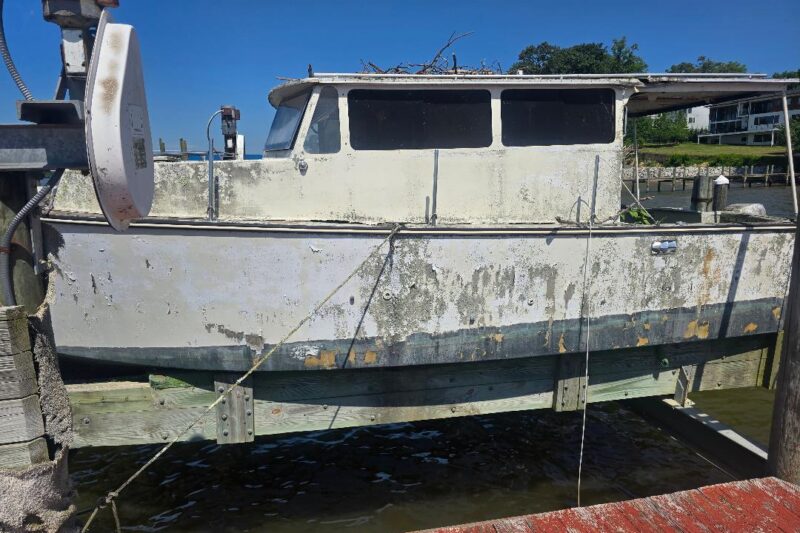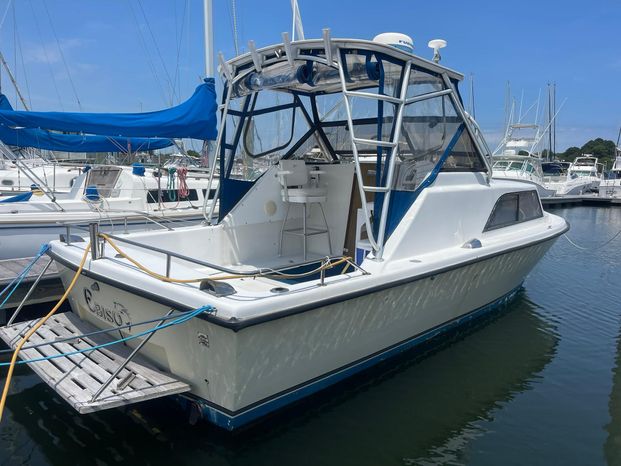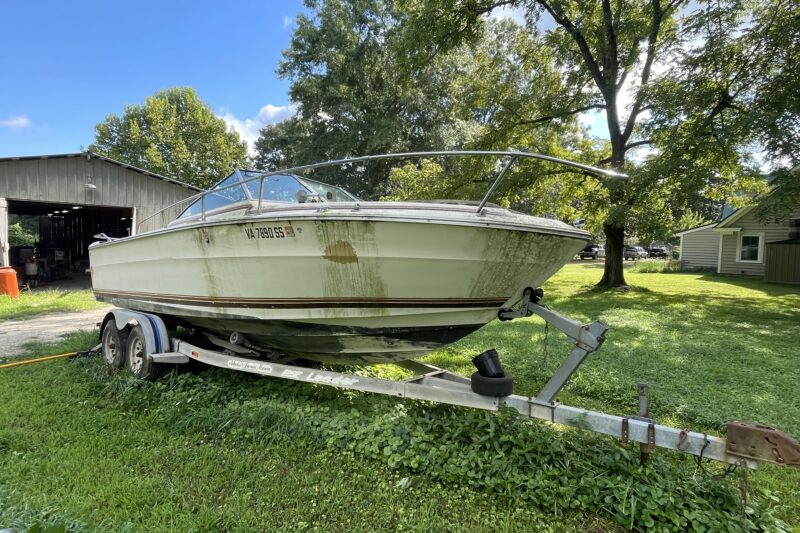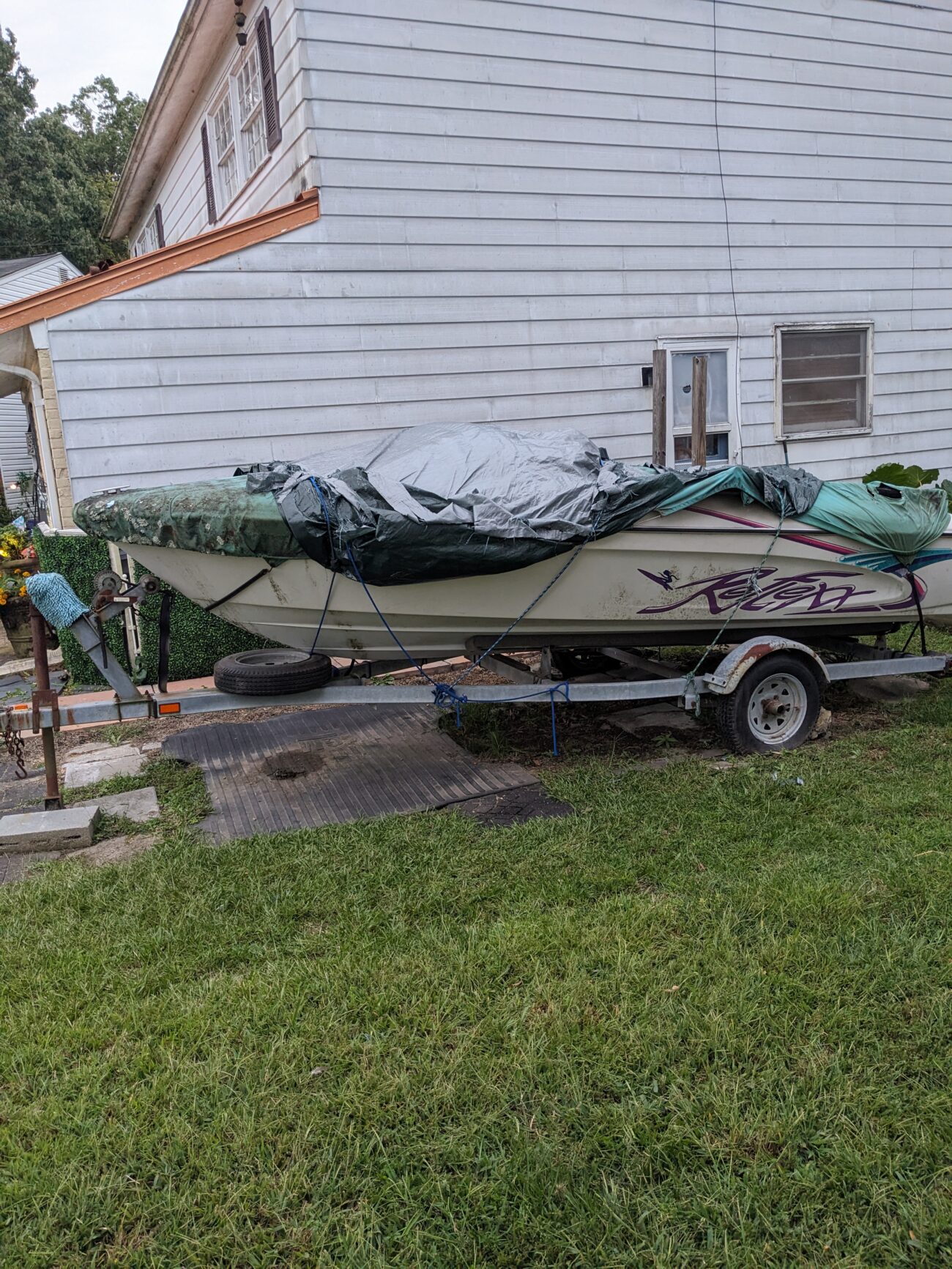
Hampton, Virginia has a long-standing connection to the water. Located along the Chesapeake Bay and surrounded by waterways connected to Hampton Roads, the city is home to recreational boaters, anglers, sailboat owners, commercial marine activity, marinas, waterfront properties, and boat storage facilities.
With that much marine activity, older boats are inevitable.
Some vessels remain useful for decades. Others eventually become too damaged, expensive, or neglected to justify keeping them. A boat may sit on a trailer for years, develop a failed engine, suffer storm damage, or become an unfinished restoration project that takes up valuable space.
Once that happens, the hardest question may not be how to fix the boat.
It may be how to get rid of it.
Boat Scrapyards helps Hampton-area owners deal with unwanted vessels through boat removal, boat scrapping, marine salvage, and disposal solutions. Whether the boat is sitting on private property, occupying storage space, attached to an unusable trailer, or creating a problem around a waterfront location, the objective is simple: get the unwanted vessel removed and clear the space.
Hampton Boat Scrapping FAQs
Can you remove old boats in Hampton?
Boat Scrapyards helps owners address unwanted, old, damaged, and non-running boats in the Hampton area. The removal process depends on the vessel’s size, condition, location, accessibility, and transportation requirements.
Does the boat need to run?
No. Non-running boats are common candidates for professional removal. A dead engine, failed electrical system, or deteriorated trailer can make moving a boat yourself extremely difficult.
What types of boats can be scrapped?
Depending on the vessel and its condition, removal may include fishing boats, sailboats, cruisers, runabouts, aluminum boats, fiberglass boats, recreational vessels, and certain commercial or work boats.
Can the boat trailer be removed too?
An old trailer frequently becomes part of the disposal problem. Trailer condition can be considered when planning the removal of the vessel.
Do you remove fiberglass boats?
Fiberglass boats require different handling from metal vessels. Their construction and condition can help determine the appropriate removal, salvage, and disposal process.
What happens after the boat is removed?
The vessel can be evaluated for components and materials that may have salvage or scrap value. Depending on its condition, different materials and equipment can be separated and handled appropriately.
Why Old Boats Become a Problem in Hampton
A boat can start out as a source of recreation and eventually become a major maintenance project.
That transition does not always happen overnight.
An engine begins having problems. The owner postpones the repair because the boat is not being used. A season passes. Then another. The trailer develops issues. Water finds its way into the vessel. Electrical equipment begins failing.
Eventually, the boat is no longer a weekend toy.
It is an oversized object sitting on someone else’s property.
Hampton’s coastal location means vessels can experience years of exposure to moisture, wind, sunlight, and salt air. Those conditions can contribute to deterioration, especially when a boat is no longer being properly maintained.
Owners may also find themselves with boats they never intended to keep.
An inherited boat, abandoned restoration project, damaged vessel, or unwanted purchase can leave someone responsible for a boat without having a practical plan for disposing of it.
That is where professional boat removal becomes useful.
The Cost of Keeping a Boat Nobody Uses
Storage is one of the biggest hidden expenses associated with an unwanted vessel.
A boat can occupy a driveway, side yard, storage lot, marina space, warehouse, or commercial property for months or even years.
Meanwhile, the owner may continue paying for storage, insurance, maintenance, registration, or other ownership expenses.
Even when those individual costs seem manageable, they can add up over time.
There is also the physical cost.
A large boat can prevent a property owner from using valuable space for something else. A driveway occupied by an old vessel cannot easily be used for another vehicle. A storage area filled with an abandoned boat cannot be used for equipment or inventory.
Removing the vessel can eliminate the ongoing burden and return the space to productive use.
The Types of Boats We Scrap, Salvage & Dispose Of
Every boat presents a different removal situation, but several types are commonly found at the end of their useful lives.
Fishing Boats
Fishing boats can contain engines, electronics, fuel systems, fishing equipment, aluminum, stainless hardware, and other components. When maintenance becomes too expensive, removing the vessel can be more practical than continuing repairs.
Sailboats
Sailboats can become difficult disposal projects when sails, rigging, decks, interiors, engines, and hulls deteriorate. Older sailboats may also occupy substantial storage space.
Cruisers
Cruisers often contain larger engines, electrical systems, plumbing, cabins, appliances, and other equipment. Repairing several failing systems at once can quickly turn into an expensive restoration.
Runabouts
Smaller recreational boats can be deceptively difficult to dispose of when their trailers are no longer roadworthy. A boat that cannot be safely towed may require professional removal.
Aluminum Boats
Aluminum vessels can contain significant amounts of recoverable metal. Their condition and construction help determine whether they are suitable for marine scrapping.
Fiberglass Boats
Fiberglass vessels can be among the more difficult boats to dispose of because the hull itself is not simply a conventional piece of metal scrap. Additional dismantling and material handling may be required.
Commercial and Work Boats
The Hampton Roads region has substantial commercial and maritime activity, meaning older work vessels can eventually reach the point where continued operation or restoration is no longer practical.
When Should You Stop Repairing an Old Boat?
There is no specific age at which every boat should be scrapped.
Condition matters far more than the year on the registration.
A well-maintained older boat may remain useful for many years. At the same time, a relatively newer vessel can become economically impractical after severe damage or prolonged neglect.
The important question is what it will take to make the boat useful again.
Consider the engine.
Then the electrical system.
Then the hull.
Then the trailer.
Then the interior.
Then the equipment.
If the list continues growing, the restoration may have become a completely different project than the owner originally expected.
At that point, scrapping the vessel may provide a practical exit.
Boat Scrapyards can help owners who have reached the point where they simply want the unwanted boat removed rather than continuing to invest money into it.
Hampton’s Chesapeake Bay Connection
Hampton’s location along the Chesapeake Bay makes boating a natural part of the community.
The surrounding waterways support recreational boating, fishing, sailing, commercial marine activity, and waterfront businesses.
This creates a wide variety of vessels in the local area.
Some boats are carefully maintained and regularly used. Others eventually become storage problems.
A vessel that has been sitting for years may no longer be seaworthy. An older fishing boat may have equipment that is obsolete or too expensive to replace. A sailboat may have deteriorated rigging and an aging engine. A recreational boat may have a damaged trailer and a neglected interior.
Whatever the reason, the removal challenge remains.
Someone needs to get the boat out.
Residential Boat Removal in Hampton
An unwanted boat does not have to be near the water to become a problem.
Many boats spend most of their lives on trailers.
They may sit in driveways, backyards, side yards, workshops, or private storage areas. Some are purchased with the intention of restoring them, only to remain untouched when the owner realizes how much work is involved.
Years later, the boat may still be sitting in the same location.
Residential boat removal can help homeowners reclaim that space.
Removing an old vessel can create room for another vehicle, landscaping project, outdoor equipment, construction work, or simply an open area that is no longer occupied by a deteriorating boat.
For homeowners preparing a property for sale, an oversized unwanted boat can also become one more issue that needs to be addressed before the property is ready.
Boat Trailer Problems Can Stop a Sale or Move
Boat owners sometimes assume that selling or donating an old vessel will be easy because the boat is already sitting on a trailer.
The problem is that the trailer may not actually be usable.
Years of sitting can lead to deteriorated tires, seized bearings, rusted frames, damaged axles, and failed braking or electrical components.
If the trailer cannot safely travel down the road, the boat becomes much harder to move.
This is especially frustrating when the owner has already found someone interested in the vessel.
Instead of attempting to tow an unsafe trailer, professional removal can provide a more practical alternative.
The boat and trailer can be considered together when planning the project.
Marina and Waterfront Boat Removal
Waterfront vessels can require additional planning.
A boat stored at a marina may have limited access. Other boats, docks, buildings, vehicles, and equipment can affect how removal equipment reaches the vessel.
A non-running boat may also require a different strategy from a vessel that can simply be driven or towed away.
Before arranging removal, it is helpful to provide as much information as possible about the vessel.
Approximate length and width, location, condition, trailer status, and access conditions can all be important.
The goal is to understand the project before removal begins.
Storm-Damaged Boats Around Hampton
Coastal vessels can occasionally suffer significant damage from severe weather.
A storm can leave a boat with damage to its hull, deck, trailer, electrical systems, interior, or equipment.
Even when the vessel remains recognizable as a boat, the cost of returning it to service may be substantial.
Owners should consider the full repair picture rather than focusing only on the most obvious damage.
A damaged hull plus a failed engine plus a deteriorated trailer can quickly become a major restoration project.
For some vessels, removal and scrapping may be a more practical solution.
Why Fiberglass Boats Require a Different Approach
Fiberglass boats are extremely common among recreational boat owners, but their disposal presents challenges.
The hull is made from composite materials rather than being one large piece of conventional scrap metal.
Inside the boat, there may also be foam, wood, wiring, hardware, engines, tanks, electronics, and other components.
That means the vessel may need to be dismantled and evaluated rather than simply treated as ordinary junk.
For a homeowner who has a large fiberglass hull sitting on a property, finding an appropriate disposal solution can be particularly frustrating.
Professional boat removal can help address the entire vessel rather than leaving the owner responsible for disposing of the remaining hull.
Marine Scrapping Can Recover Valuable Components
An old boat may have reached the end of its useful life without every component becoming worthless.
Engines, transmissions, aluminum, stainless hardware, trailer components, electronics, marine equipment, and other parts may still have salvage or scrap potential depending on their condition.
This is one reason marine scrapping involves more than simply disposing of the hull.
The vessel can be evaluated as a collection of materials and components.
Some may be separated for salvage.
Metal may be sorted according to type.
Other materials may require different handling.
The exact process depends on the boat, but the owner’s responsibility is greatly simplified once the unwanted vessel has been removed.
What Happens After Your Boat Is Picked Up & Hauled Away?
Once a boat is removed, it can be evaluated based on its construction, condition, and components.
Mechanical equipment may be assessed separately. Metal hardware and other materials can be separated where appropriate. Trailer components may be handled independently from the boat itself.
A fiberglass hull may require a different disposal process than an aluminum vessel.
There is no single outcome for every boat.
Some vessels have more salvageable material than others. Some are heavily deteriorated and have limited reusable components.
The important result for the owner is that the unwanted vessel is no longer occupying the property.
The storage space is cleared.
The boat is no longer sitting unused.
And the owner no longer has to keep figuring out what to do with it.
Why Work With Boat Scrapyards?
Trying to dispose of an old boat can quickly become a frustrating process.
A regular junk removal company may not be equipped to handle an oversized marine vessel. A traditional towing company may not be prepared for a severely deteriorated boat or failed trailer. A disposal facility may have specific requirements for marine materials.
Boat Scrapyards focuses specifically on unwanted boats and marine removal projects.
That means the conversation starts with the actual vessel.
Where is it?
How large is it?
What condition is it in?
Does it run?
Is the trailer usable?
Can equipment reach it?
Those details help establish what the removal project involves.
For Hampton boat owners who have been putting off disposal because they do not know where to start, having a company focused on boat scrapping can make the process considerably more manageable.
Clear Out the Boat and Reclaim the Space
An unwanted boat does not become easier to remove simply because it continues sitting where it is.
Time can make the vessel more deteriorated, the trailer less usable, and the eventual removal more complicated.
If the boat has not been used in years, has become too expensive to repair, or is simply no longer wanted, it may be time to stop treating it like a restoration project.
Boat Scrapyards helps Hampton-area owners address old and unwanted boats through removal, scrapping, salvage, and disposal solutions.
Whether you have an aging fishing boat, a neglected sailboat, a damaged cruiser, an aluminum vessel, a fiberglass project boat, or a non-running boat sitting on an old trailer, getting it removed can finally put an end to the problem.
Clear the driveway.
Clear the storage area.
Clear the marina space.
Clear the property.
The boat has served its purpose. If it is no longer worth keeping, there is no reason to let it occupy valuable space indefinitely.
Boat Scrapyards is ready to help Hampton-area boat owners take the next step toward getting unwanted vessels removed and properly addressed.